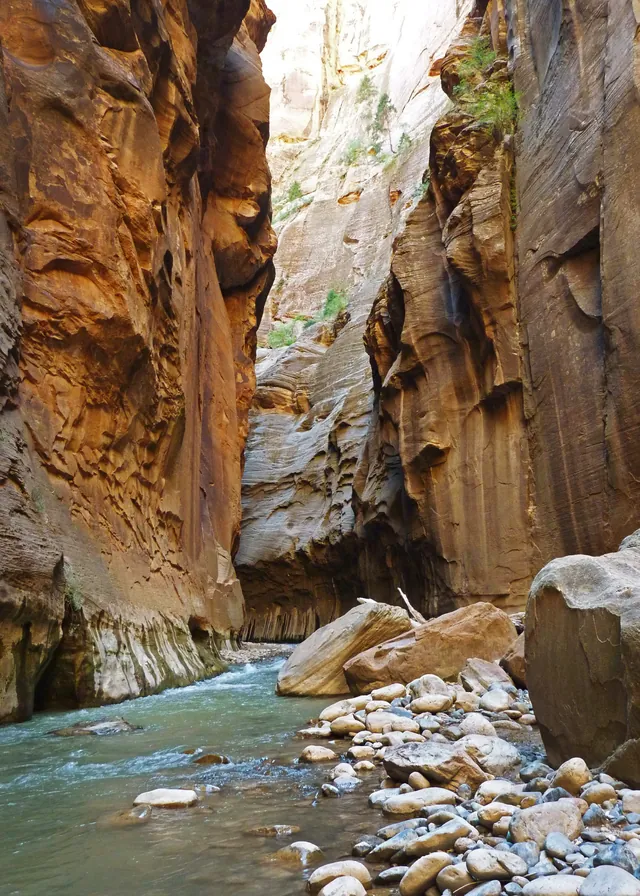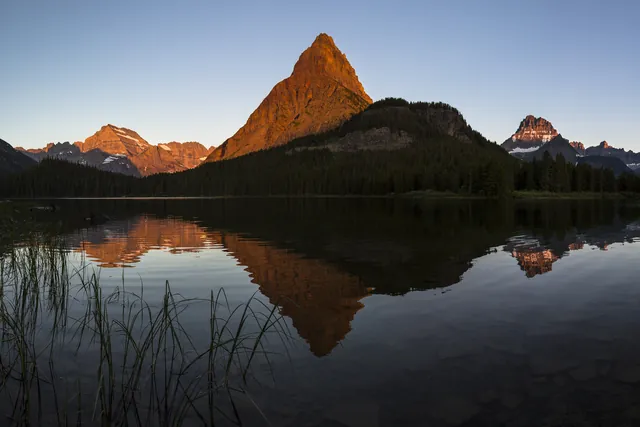

Choose Bryce Canyon National Park for compact amphitheaters filled with rock spires and short rim walks. Choose Grand Canyon National Park for a mile-deep gorge spanning immense desert horizons. Bryce Canyon concentrates its main overlooks along an 18-mile scenic drive, while Grand Canyon features year-round services on its South Rim alongside seasonal operations on its North Rim.
Park Selection for Your Trip
Choose Bryce Canyon for hoodoo amphitheaters and rim walks. Choose Grand Canyon's South Rim for broad canyon views and year-round services. Bryce Canyon concentrates its main viewpoints along a scenic road corridor.
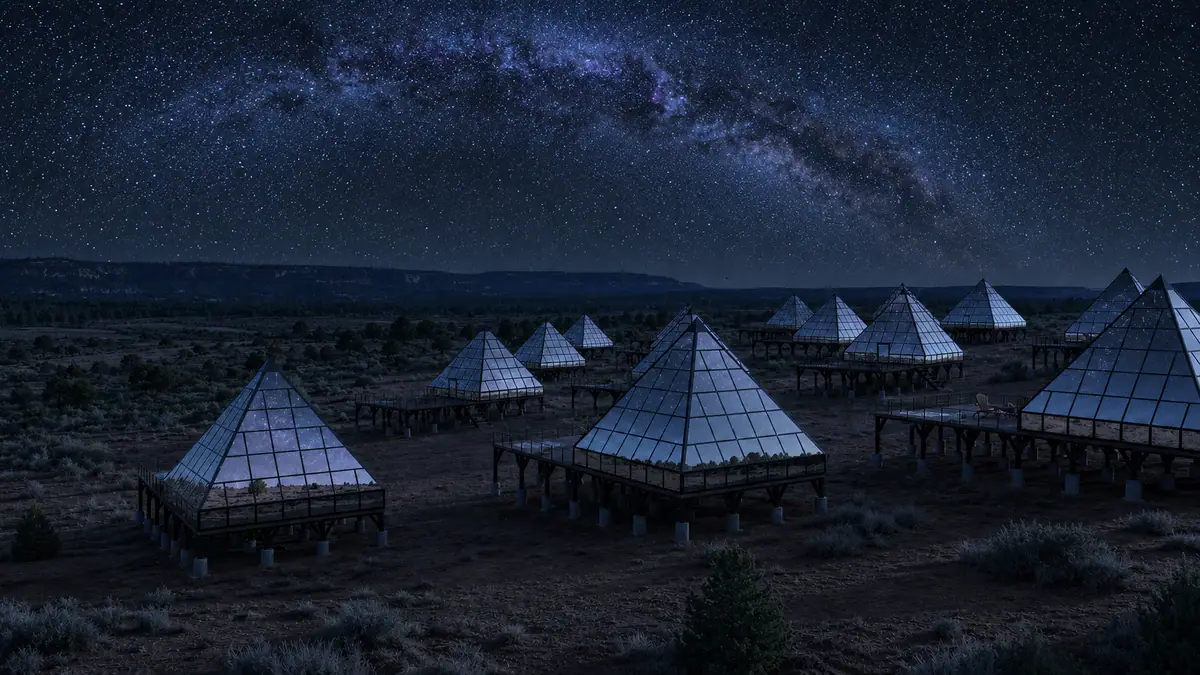
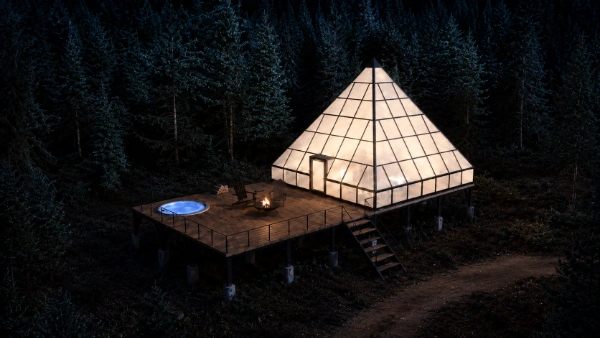
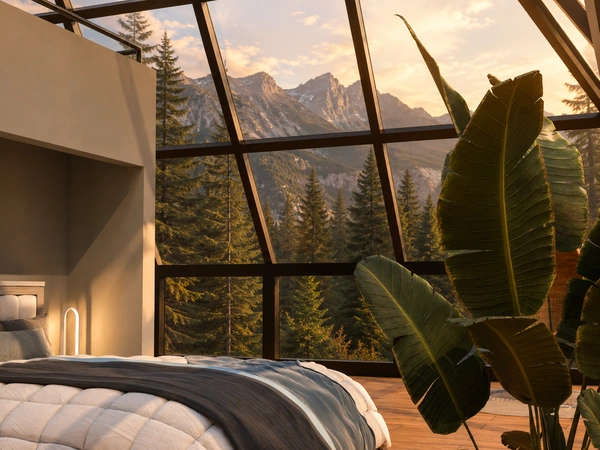
Stay Near Bryce Canyon's Red Rock Hoodoos
Get early access to our pyramids near Bryce Canyon and Glacier, with priority booking to all locations.
Concept renderings
Bryce Canyon National Park has a series of natural amphitheaters along the edge of a high plateau. The most famous section, the Bryce Amphitheater, is filled with irregularly eroded spires of rocks called hoodoos.
Travel dates and physical goals narrow this choice quickly. Bryce Canyon reaches elevations over 9,000 feet at its southern viewpoints along the plateau rim. Grand Canyon pairs South Rim viewpoints averaging 7,000 feet with an inner canyon that turns into an intensely hot desert during summer months.
Bryce Canyon vs Grand Canyon Compared
| Travel Feature | Bryce Canyon National Park | Grand Canyon National Park |
|---|---|---|
| Primary geologic feature | Natural amphitheaters filled with rock hoodoos | Mile-deep river canyon bisecting the park |
| Elevation range | Highest elevations over 9,000 feet at southern viewpoints | Averages 7,000 feet at South Rim; drops 1 mile to river |
| Primary scenic corridor | 18-mile main road with four primary amphitheater overlooks | Hermit Road, Grand Canyon Village, and Desert View Drive |
| Seasonal access | Open year-round; road and trail access depends on weather | South Rim open year-round; North Rim has limited fall 2026 day use (current status) |
| Main rim-to-rim driving distance | Single road corridor along plateau edge | 215 miles between South Rim Village and North Rim Village |
At Dark Light Collection, we based these choices on published park guidance. Bryce Canyon concentrates its four most famous viewpoints within the first few miles of the entrance road, allowing visitors to experience the core amphitheater quickly. Grand Canyon spans vast distances between rims, requiring hours of driving if you choose to travel between the opposing South and North rims.
Bryce Canyon Experiences Along the Plateau Rim
Visiting Bryce Canyon National Park revolves around viewing the greatest number of hoodoos on Earth from rim viewpoints and plateau trails. Over two million visitors travel to this plateau each year to explore its collection of irregularly eroded rock spires. Bryce's main amphitheater overlooks sit close to the park entrance.
According to the Bryce Canyon planning guide, the 18-mile main road climbs from the northern entrance toward southern overlooks above 9,000 feet (2,743 meters). Within the first few miles of this drive sit the four primary viewpoints of the Bryce Amphitheater: Bryce Point, Inspiration Point, Sunset Point, and Sunrise Point. Each viewpoint looks out over the amphitheater filled with rock hoodoos.
You can explore trails connecting between viewpoints along the rim of the Bryce Amphitheater, including the Sunset Point overlooks. Concessioner-provided horseback rides and daily ranger geology talks also run throughout the summer season.
Grand Canyon Experiences Across the Rims and Inner Canyon
Experiencing Grand Canyon National Park involves standing above a mile-deep gorge carved by the Colorado River and exploring distinct rim environments separated by hundreds of driving miles. The South Rim welcomes visitors year-round, while individual facilities have their own operating hours. Free shuttle buses operate in the Grand Canyon Village area to help visitors navigate the park.
Trail Selection for Short Walks and Steep Routes
Trail options at Bryce Canyon National Park wander among rock spires, while Grand Canyon National Park features steep elevation changes that drop into desert depths. Bryce Canyon offers easy walks to strenuous hikes suited to various trip durations.
Hiking trails descend into the amphitheater and wander through the hoodoos below. Check our guide to the best hikes in Bryce Canyon to plan route combinations that match your fitness.
Visitors can take in canyon views from South Rim viewpoints and village overlooks. Descending routes drop into a desert environment with little shade, where summer temperatures surpass 100 degrees Fahrenheit.
Seasonal Access and Operating Changes
Operating seasons differ sharply between the two parks, as Grand Canyon's South Rim and Bryce Canyon remain open year-round while the North Rim closes seasonally. The South Rim is open year-round, while individual roads, trails and services can close or change hours (check current Grand Canyon status). The current North Rim bulletin allows limited fall day use through November 30, 2026, or the first major snowstorm, with seasonal services already closed.
Trail access also changes with environmental damage, as the entire North Kaibab trail closed following extensive flash flood destruction on August 29, 2026. Travelers should consult the Grand Canyon alerts and conditions for current conditions before traveling.
Bryce Canyon National Park welcomes visitors throughout the entire year, but high-elevation winter weather alters accessible terrain. Winter visitors can explore the Bryce Amphitheater during a one to three hour stop, or visit the Southern Scenic Drive on a longer trip. While the main Bryce Canyon Lodge operates during the summer season, winter lodging shifts to hotel rooms at the Sunset Hotel.
Grand Canyon experiences intense summer heat with inner canyon highs averaging above 105 degrees Fahrenheit alongside summer thunderstorms from July through September that create deadly lightning hazards. If you plan a winter vacation, check our guide to Bryce Canyon in winter to prepare for winter conditions.
Trip Duration and Park Transportation
Allocating time for your national park itinerary depends on the compact road system of Bryce Canyon compared to the vast highway distances surrounding Grand Canyon. Bryce Canyon publishes separate summer visit plans for one to three hours and four hours or more.
Grand Canyon National Park features extensive driving distances between its viewpoints and distant rims. Visitors exploring the South Rim can tour Hermit Road, walk village overlooks, and drive the scenic Desert View corridor. If you wish to visit both the South Rim and North Rim, you must budget substantial driving time.
Driving the 215 miles between South Rim Village and North Rim Village takes four to five hours behind the wheel. The highway route crosses the Colorado River at Navajo Bridge near Marble Canyon, where the chasm spans 400 feet wide, 137 miles toward Marble Canyon from the South Rim Village. Review our overview of Zion to Bryce Canyon if you plan to link multiple southwestern parks into one journey.
Terrain Considerations for Different Walking Abilities
Match trail terrain and elevation demands to your group's walking abilities before heading below the rim. Bryce Canyon National Park features hiking trails that connect between viewpoints along the rim of the Bryce Amphitheater.
Bryce Canyon reaches its highest elevations along the southern plateau rim. Between April and October a shuttle service operates in the Bryce Amphitheater area to reduce congestion. Check the official Bryce Canyon planning guide for detailed accessibility updates.
However, the South Rim of Grand Canyon averages 7,000 feet above sea level. At Grand Canyon, trails dropping below the rim enter a harsh desert environment with little shade.
Evening Stargazing and Base Locations
Bryce Canyon National Park offers ranger evening programs, astronomy programs, and full moon hikes. Explore our guide to stargazing at Bryce Canyon to learn about seasonal night sky programs.
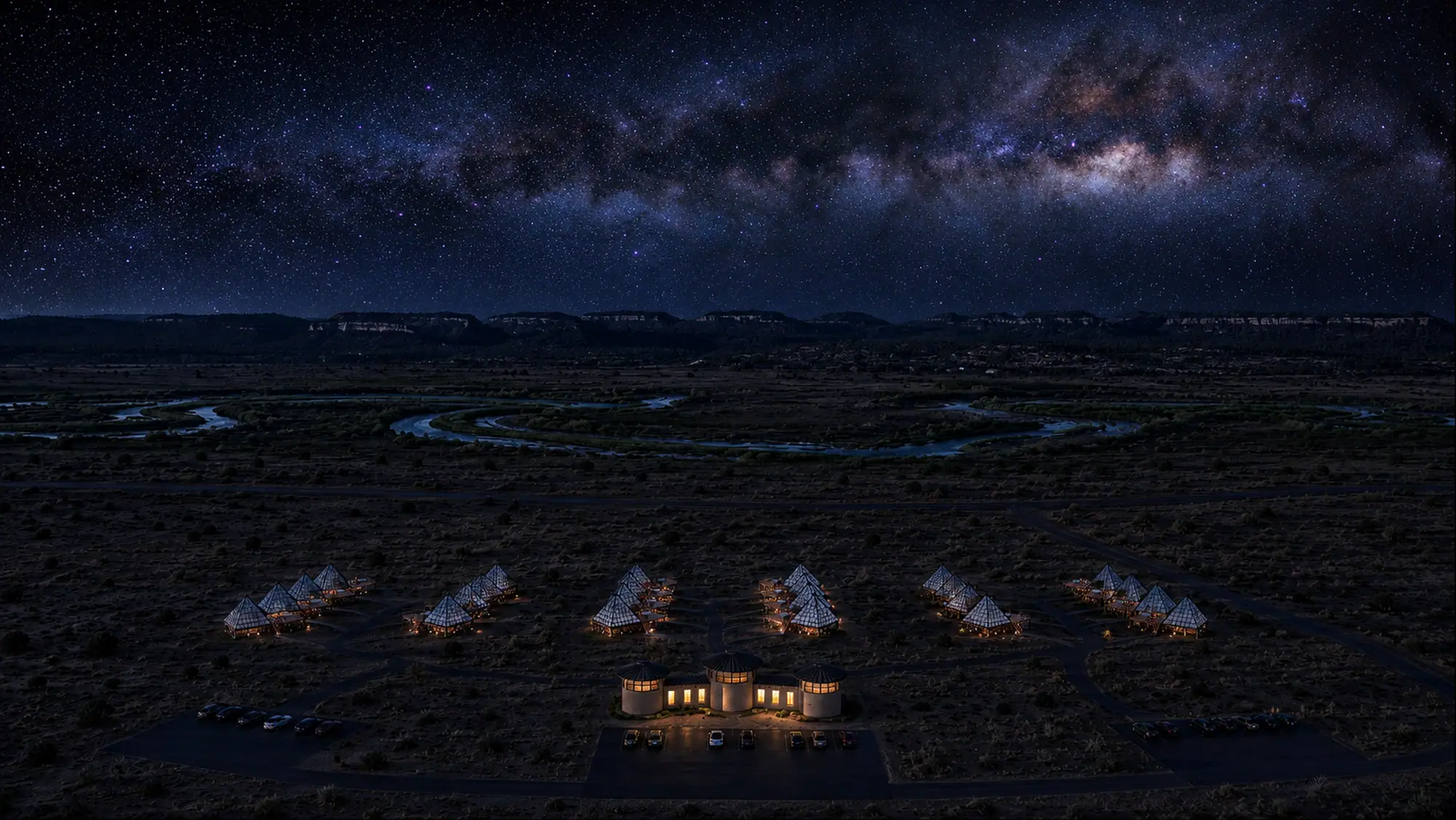
We are designing glass pyramids on private land located about 15 minutes from Bryce Canyon National Park, opening our doors in 2027. Each pyramid features a king bed positioned for sky-gazing and a private deck with heated loungers and a personal telescope, pairing daytime park exploration with evening stargazing. Guests can also view the Sevier River from our grounds, with Red Canyon sitting about ten minutes away.
Founding deposits are open now, giving founding guests first choice of pyramid size and view along with locked-in founding pricing. Under our Cancellation & Refund Policy, you can cancel for any reason up until 60 days before arrival for a full refund, less a $30 processing fee.
Development designs and schedules may adjust prior to opening. You can reserve your founding opportunity on our Bryce Canyon property page.
Trip Decisions on Bryce Canyon vs Grand Canyon
Choose Bryce Canyon if you want compact rim viewpoints with optional walks down into the hoodoos, with ranger program dates and trail conditions checked separately. This recommendation does not serve travelers who seek multi-day river expeditions, vast desert horizons, or extensive backcountry backpacking.
If you dream of gazing across a mile-deep gorge carved by the Colorado River, you should choose Grand Canyon National Park. Choose available South Rim viewpoints rather than a seasonal North Rim trip when traveling outside summer, and choose rim-only walks if below-rim terrain does not fit your group.
When you are ready to reserve under southern Utah's star-filled skies, place a founding deposit for our glass pyramids opening in 2027 on our reservation page.
Frequently asked questions
Which is better for a first visit, Bryce Canyon or Grand Canyon?
Bryce Canyon National Park suits travelers wanting a single-day trip with scenic rim overlooks and close-up views of rock hoodoos. Grand Canyon National Park suits travelers seeking an immense, mile-deep chasm from South Rim overlooks even on a day visit, with multiple days optional for deeper exploration. Choose Bryce for hoodoos, or Grand Canyon for the gorge's scale.
Should I visit the South Rim or North Rim of Grand Canyon?
Choose the South Rim for year-round access, full visitor services, and scenic transit shuttles. The North Rim operates only seasonally, so check the North Rim bulletin before planning that side of the canyon.
Which park suits shorter walks?
Bryce Canyon National Park suits shorter walks, offering rim trails between Sunrise Point and Sunset Point alongside descents into the hoodoos. Grand Canyon National Park provides rim overlooks, but trails heading below the rim involve steep descents and strenuous return climbs. Bryce Canyon offers easy or moderate hikes along the amphitheater rim and below.
Does the season change which park to choose?
Seasonality significantly affects park operations and access. North Rim access is seasonal and limited by closures; review the current North Rim bulletin for your dates. Bryce Canyon is open year-round, offering winter visits in the Bryce Amphitheater and along the Southern Scenic Drive.
What should I check before booking?
Check seasonal road status and weather on the official Bryce Canyon planning guide before confirming reservations. Grand Canyon's inner canyon summer temperatures frequently exceed 105 degrees Fahrenheit, while Bryce Canyon reaches its highest elevations along the southern rim. Confirm current trail closures on the Grand Canyon alerts and conditions prior to departure.
Stay Near Bryce Canyon's Red Rock Hoodoos
Get early access to our pyramids near Bryce Canyon and Glacier, with priority booking to all locations.
Reserve Your Pyramid Experiences & adventures →