
Pick Zion National Park for deep river canyons that you hike from the floor up, and pick Bryce Canyon National Park for high-rim overlooks and compact hoodoo amphitheaters. Both parks sit in southern Utah roughly 2.5 hours apart by road, allowing many travelers to combine them into one itinerary. Your decision depends on whether you prefer walking along river trails or viewing rock spires from scenic drives.
The Short Answer: Which Park Fits Your Trip
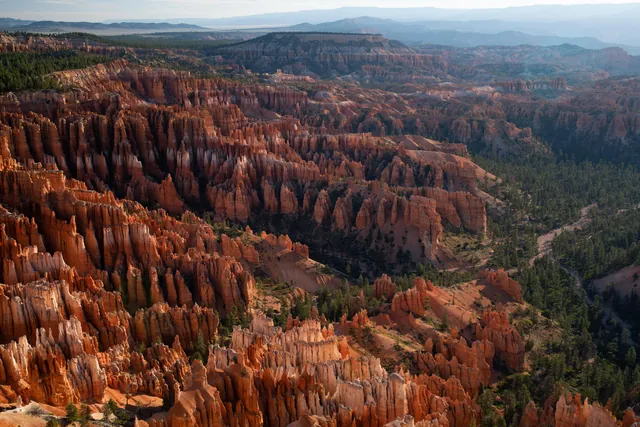
Zion National Park suits hikers seeking towering sandstone walls and river routes, while Bryce Canyon National Park works best for travelers who want immediate rim panoramas and shorter visits. The two parks feature completely different geological environments despite their regional proximity. In Zion, you walk the canyon floor along the Virgin River. At Bryce Canyon, you stand along an elevated rim and look down into hoodoo amphitheaters.
Your transit style also distinguishes the two destinations. Zion runs a free shuttle on the Zion Canyon Scenic Drive and private vehicles cannot use it during shuttle season; no shuttle Nov 29 to Dec 25 in the 2026 schedule. Bryce Canyon offers a scenic drive where you can use your personal vehicle, supplemented by an optional free shuttle from April through mid-October.
The Bryce Amphitheater area suits visits of 1 to 3 hours. Visitors who want multi-hour trekking through river beds, steep switchbacks, and exposed ledges find trails like The Narrows and Scout Lookout in Zion.
Bryce Canyon and Zion Side by Side
A direct comparison shows how transit rules, trail access, and physical layout differ between both destinations.
| Feature | Bryce Canyon National Park | Zion National Park |
|---|---|---|
| Primary landscape | Amphitheaters filled with rock hoodoos | Deep sandstone river canyon |
| Main viewpoints | Bryce Point, Inspiration Point, Sunset Point, Sunrise Point | Scout Lookout, Canyon Overlook, Watchman viewpoint |
| Iconic trail route | Queen's/Navajo Combination Loop (2.9 miles) | The Narrows (1 to 8 hours) |
| Main transit style | 18-mile scenic road; optional shuttle bus | Zion Canyon Line shuttle bus with 9 stops |
| Private vehicle access | Personal cars allowed on the scenic drive | Private cars barred from scenic drive during shuttle season |
| Standard vehicle fee | $35 | $35 valid for 7 days |
| General entry reservation | None required | None required |
Landscape Comparison: Rim Views and Canyon Walls
The core visual difference centers on whether you observe the landscape from above or navigate it from below. Bryce's main 18-mile road runs north-south and the Bryce Amphitheater viewpoints sit along its first 3 miles. The most visited section is the Bryce Amphitheater, where visitors look down from viewpoints like Sunrise Point and Sunset Point.
Zion National Park centers on Zion Canyon, a dramatic gorge carved by the Virgin River. Hikers along the paved Riverside Walk follow the water between sheer canyon walls before reaching the entrance to The Narrows.
If you prefer sweeping overlooks, Bryce Canyon provides instant visual scale. If you want to walk beside a flowing river beneath immense vertical cliffs, Zion provides that ground-level grandeur.
Park Transit: Zion Shuttles and Bryce Rim Roads
Transportation logistics differ between the two parks. Inside Zion National Park, the National Park Service (NPS) prohibits private vehicles from driving on the Zion Canyon Scenic Drive while shuttles operate. The Zion Canyon Line serves 9 stops, including the Zion Canyon Visitor Center, Zion Lodge, and major trailheads for the Emerald Pools, Weeping Rock, Scout Lookout, and the Temple of Sinawava. Buses arrive every 5 to 10 minutes. Outside the gate, the Springdale Line serves 9 stops throughout the town of Springdale every 10 to 15 minutes, delivering visitors to the pedestrian entrance.
Bryce has one main 18-mile road; the park is open year-round. To alleviate congestion at the most popular overlooks, the park operates a free shuttle service from April through mid-October. Using the Bryce shuttle is optional but recommended. The free shuttle connects the park's most popular viewpoints, trails, and facilities.
Details on transit schedules appear on the NPS shuttle page.
Entrance Fees and Reservations
Both parks list the same $35 private vehicle fee. Standard private vehicle entry costs $35 at both parks, with Zion passes valid for seven days. Visitors arriving by motorcycle pay $30 at Zion, and the per-person rate is $20. Official fee schedules are maintained on the NPS fees page.
Neither park requires an advance reservation simply to drive through the gate or enter the park boundaries. You can arrive without a scheduled entry time slot at both locations.
Zion has one permit worth knowing about. Zion does not require permits to enter the park, ride the shuttle buses, or hike The Narrows upstream from the Temple of Sinawava. However, hikers who plan to continue past Scout Lookout to Angels Landing must secure an advance permit through recreation.gov, paying a $6 lottery application fee plus a $3 per-person fee if awarded.
Time Commitment for Each Park
NPS says the Bryce Amphitheater area suits visits of 1 to 3 hours, enough to take in the four major viewpoints of the Bryce Amphitheater: Bryce Point, Inspiration Point, Sunset Point, and Sunrise Point. Visitors can also hike the 2.9-mile Queen's/Navajo Combination Loop. Longer visits can run the full length of the 18-mile road to Rainbow Point and Yovimpa Point.
Hike durations in Zion range from Weeping Rock at 15 to 45 minutes to The Narrows at 1 to 8 hours. Reaching trailheads via the shuttle requires built-in transit time. A hike like Riverside Walk takes 1 to 2 hours, while continuing into The Narrows can take between 1 and 8 hours depending on your turnaround point. Exploring the Upper Emerald Pools Trail takes 1 to 2 hours, and trekking up the steep switchbacks to Scout Lookout takes 3 to 4 hours. You can review more hike options in the guide to things to do in Zion National Park.
Stargazing and Dark Sky Experiences
Viewing conditions and geography vary between both parks. Bryce Canyon earned its status when certified as an International Dark Sky Park in 2019.
Recommended Zion stargazing locations outside the canyon drive include the Zion Human History Museum patio, Checkerboard Mesa pullout on the east side, Lava Point Overlook along Kolob Terrace Road, and the Timber Creek parking lot in Kolob Canyons. Visitors setting up personal telescopes find wide views of the sky and flat ground at Checkerboard Mesa, Lava Point, and Timber Creek. The park details nocturnal viewing tips on its NPS Zion stargazing page.
Doing Both Parks in One Trip
The drive between Zion and Bryce Canyon connects via Utah State Route 9, US Route 89, and Utah State Route 12. NPS describes the Highway 20 route from Cedar City across to US-89 as roughly 150 miles and 2.5 hours. The full route details are outlined in the guide on driving from Zion to Bryce Canyon.
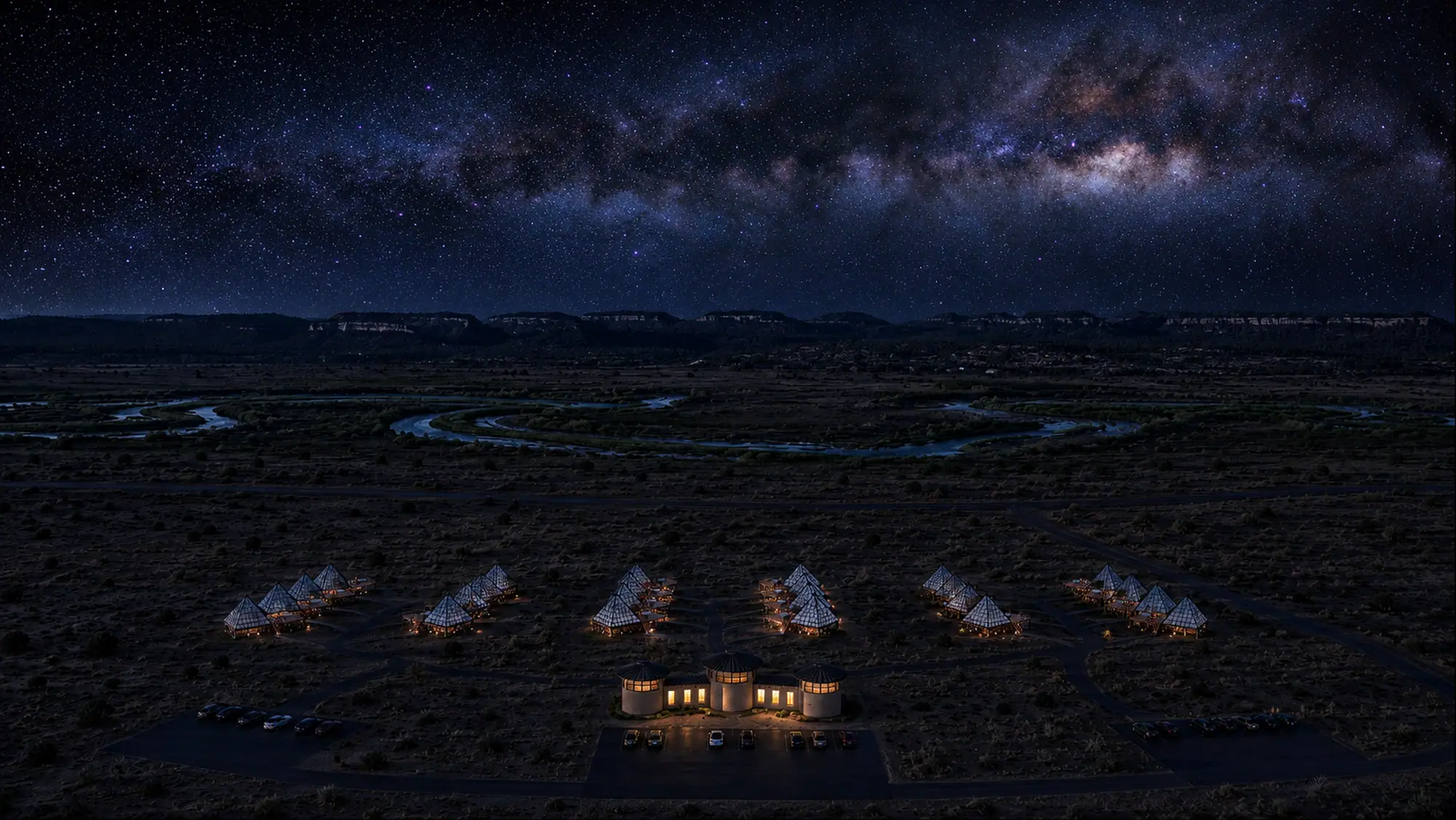
At Dark Light Collection, we are building glass pyramids on private land about 15 minutes from Bryce Canyon National Park and about one hour from Zion, opening in 2027. Check highway conditions and park alerts on the NPS Bryce Canyon site before starting your drive, and explore experiences and adventures for your itinerary.
Bryce Canyon was certified an International Dark Sky Park in 2019; NPS lists Zion stargazing spots outside the scenic drive (Checkerboard Mesa pullout, Lava Point Overlook, Timber Creek parking lot in Kolob Canyons) with wide sky views for personal telescopes.
Frequently asked questions
Is Bryce Canyon or Zion better for a first visit?
Bryce Canyon is easier for a short first visit because its four most popular overlooks are along the first 3 miles of the main road. Zion offers a deeper hiking experience with routes like the Riverside Walk and The Narrows, but it requires navigating a shuttle bus system.
Can you see Bryce Canyon and Zion in one trip?
Yes, you can see both parks in one trip because they sit roughly 150 miles and 2.5 hours apart by road. The Bryce Amphitheater area suits visits of 1 to 3 hours, while Zion hikes range from Weeping Rock at 15 to 45 minutes to The Narrows at 1 to 8 hours.
Which park is better for stargazing, Bryce or Zion?
Bryce Canyon was certified an International Dark Sky Park in 2019. In Zion, the National Park Service lists stargazing locations outside the scenic drive (Checkerboard Mesa pullout, Lava Point Overlook, and Timber Creek parking lot in Kolob Canyons) with wide sky views for personal telescopes.
Do you need a reservation for Zion or Bryce Canyon?
Neither park requires a general reservation or timed-entry permit to drive through the entrance gates. However, hikers continuing past Scout Lookout to Angels Landing in Zion must obtain a permit through recreation.gov.
Stay Under the Stars Near Bryce and Zion
Reserve a glass pyramid opening in 2027 on private land minutes from Bryce Canyon and an hour from Zion.
Reserve Your Pyramid Experiences & adventures →