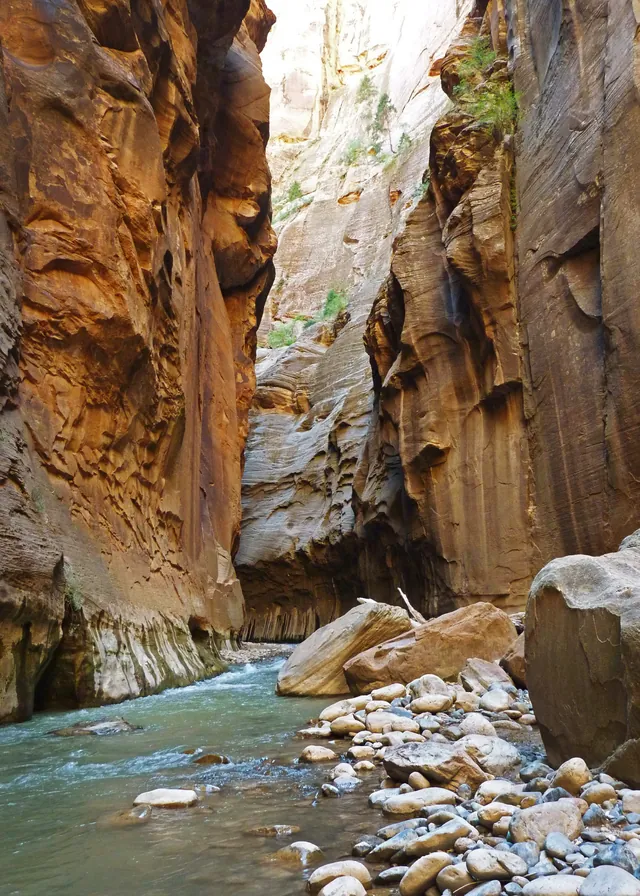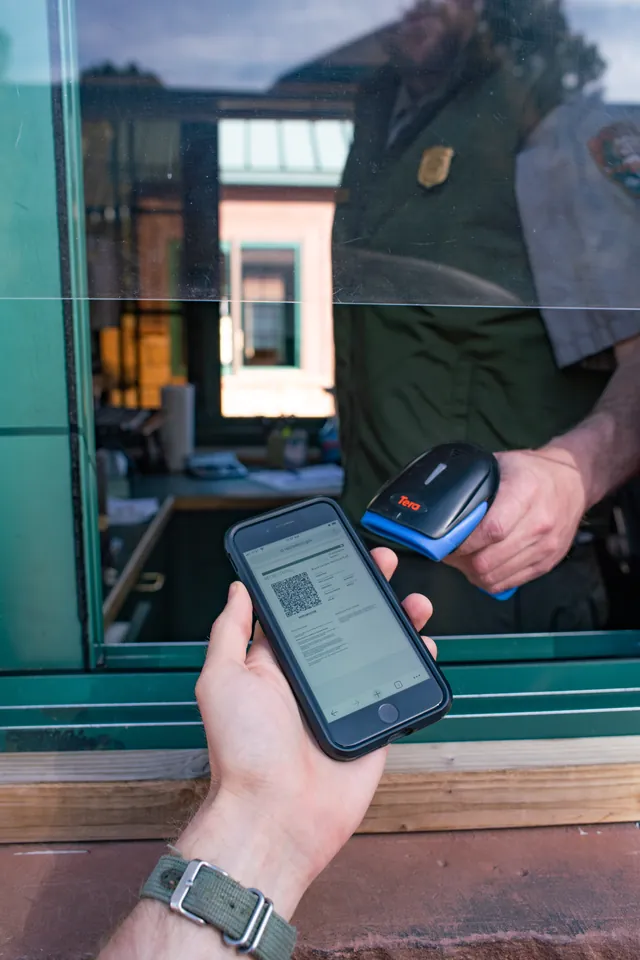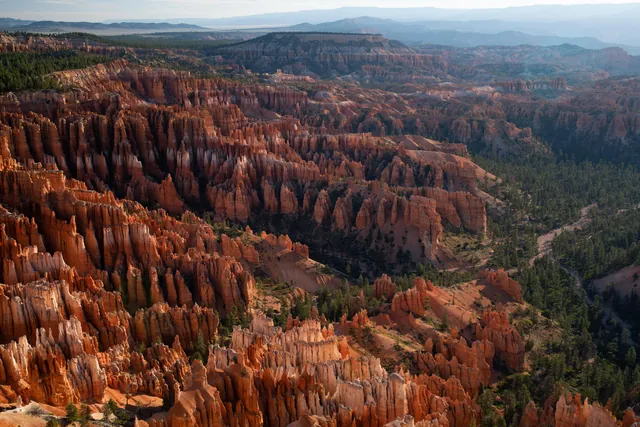

Deciding between Glacier vs Yellowstone comes down to whether you prefer alpine lakes and hiking or geothermal basins and big-herd wildlife. Glacier offers alpine lakes, hiking, and mountain drives during a compact summer season. Yellowstone delivers hydrothermal features and big-herd wildlife, and is open 24 hours a day, 365 days a year, with seasonal road and facility closures.
The Short Answer: Which Park Fits Your Trip
Pick Glacier for alpine lakes, hiking, and the scenic drive along Going-to-the-Sun Road. NPS says plowing Glacier's roads can take two and a half to three months, so the opening date varies each year. Choose Glacier if you want hiking in mountain settings.
Pick Yellowstone for geysers, hot springs, and big-herd wildlife in the Hayden and Lamar valleys. Yellowstone was established as the first national park in the world because of its unique hydrothermal geology. It holds more than 10,000 thermal features, including the world's greatest concentration of geysers. Choose Yellowstone if you want diverse thermal basins like Grand Prismatic Spring,.
Your available travel dates often decide the question immediately. Going-to-the-Sun Road has no set opening date; it is typically fully open by early July until the third Monday of October. Yellowstone is open 24 hours a day, 365 days a year, with seasonal road and facility closures and road status that can change quickly with weather; check the Glacier and Yellowstone NPS hours pages for current status.
Glacier and Yellowstone Side by Side
Both parks protect extensive wild country, but their terrain and travel rhythms differ substantially.
| Feature | Glacier National Park | Yellowstone National Park |
|---|---|---|
| Primary landscape | Alpine lakes, mountain scenery | Geyser basins, hot springs, broad valleys |
| Going-to-the-Sun Road over Logan Pass | Typically fully open by early July until the third Monday of October, weather permitting | Roads and facilities close seasonally; services limited early November to late April |
| Winter access | Limited plowing to Lake McDonald Lodge | Few facilities open year-round; Mammoth Hot Springs Hotel and Cabins welcomes visitors in summer and winter |
| Vehicle reservations | Not required anywhere in the park in 2026 | Not required |
| Private vehicle fee | $35 summer; $25 winter (valid 7 days) | $35 |
| Non-US resident surcharge | $100 per person at listing parks | $100 per person |
Scenery: Alpine Lakes and Valleys vs Geysers and Hot Springs
Glacier features alpine lakes and mountain scenery. Logan Pass is the highest point on Going-to-the-Sun Road at 6,646 feet, and the road leads toward Lake McDonald. Jackson Glacier Overlook on the east side of Going-to-the-Sun Road affords the best opportunity to see a glacier from the road.
Yellowstone centers on geothermal activity and hydrothermal wonders. According to the National Park Service (NPS) page on hydrothermal systems, underground water exceeds 400°F beneath the park surface. That heat feeds steam vents, mudpots, hot springs like Grand Prismatic Spring, and geysers. Beyond the steaming basins, bison are likely seen in big herds in the Hayden and Lamar valleys.
Wildlife in Each Park
Yellowstone offers large mammal viewing across its valleys. The park is home to 67 mammal species, nearly 300 bird species, 16 fish species, five amphibian species, and six reptile species. Bison are likely seen in big herds in the Hayden and Lamar valleys. The park also protects two bear species and seven native ungulate species. To keep both animals and people safe, park regulations strictly prohibit approaching bears or wolves on foot within 100 yards, or approaching any other wildlife within 25 yards.
Glacier is wild country where wildlife may be present anywhere along the road. Official wildlife records document 71 mammal species, 276 bird species, six amphibian species, and three reptile species in Glacier. Mountain goats and bighorn sheep are consistently seen near Logan Pass. Grizzly bears are often seen near Two Dog Flats on the east side of Going-to-the-Sun Road. In autumn in Glacier, many animals, especially bears, spend more time foraging for food as they prepare to enter hibernation, and you may notice wildlife along roadsides as they graze.
Seasons, Roads and Services
Operating seasons between the two parks follow different calendars. Glacier operates on a concentrated summer schedule. The time required to plow winter snow off Going-to-the-Sun Road varies by source, and the summer opening date varies each year based on snowfall and plowing progress. The road has no set annual opening date, though it typically opens fully by early July. Once open, it usually remains fully accessible until the third Monday of October, weather permitting. NPS says most Glacier businesses and services are open only in summer, generally late May through September, and visitor centers close in late September or early October. In winter, vehicle plowing ceases on most park roads, keeping only the stretch from West Glacier to Lake McDonald Lodge open for cars.
Yellowstone is open 24 hours a day, 365 days a year; when seasonally open, entrances are not gated at night. The NPS operating hours page notes that while roads and facilities close seasonally for weather, selected services operate in both warm and cold months. Mammoth Hot Springs Hotel and Cabins welcomes visitors during both summer and winter travel windows. From early November through late April, interior services are very limited.
Entrance Fees and Reservations
Glacier charges a private vehicle fee of $35 in summer and drops the rate to $25 in winter, covering travel from November 1 to April 30. Yellowstone charges $35 per private vehicle, $30 per motorcycle and $20 per person. Glacier's pass remains valid for seven days. An Annual or America the Beautiful Pass waives the non-US resident surcharge.
Both parks apply the non-US resident surcharge of $100 per person aged 16 and older as listed on the official pass schedule, unless entering with an annual national pass. When planning entry into Yellowstone through the South Entrance from Jackson, you must drive through Grand Teton National Park, which requires paying Grand Teton's separate entrance fee.
Neither park requires general vehicle reservations to enter in 2026. For Glacier, vehicle reservations were not required anywhere in the park during the 2026 season. In 2026, Glacier enforced a three-hour parking limit at Logan Pass from July 1 to September 7, 2026 with a free timestamped kiosk permit. That rule ended September 7, 2026; next season details are not announced yet. See the guide to vehicle reservations.
How Long to Give Each Park
Trip length in Glacier varies depending on your travel plans and trail itinerary. The primary road corridor covers about 50 miles and takes approximately two hours to drive without stops. This allows you to spend consecutive days hiking, exploring Lake McDonald, or watching for wildlife near Logan Pass.
Yellowstone features thermal basins like Grand Prismatic Spring and wildlife viewing in Lamar Valley.
Choosing for Your Own Trip
Base your decision on your preferred daily pace, physical activity level, and seasonal timing. If your group includes hikers who want to visit alpine lakes, review the guide to the best time to visit Glacier and book a midsummer trip.
If you prefer big-herd wildlife, Yellowstone offers broad valley viewing. Those planning outdoor vacations can also explore experiences and adventures near Glacier. If you plan to travel in late spring or late fall, check the NPS hours pages for Glacier and Yellowstone for current road and service status.
Waterton-Glacier received full certification as an International Dark Sky Park in 2021, making it the first transboundary International Dark Sky Park; Yellowstone's dark-sky status is not covered here.
Frequently asked questions
Is Glacier or Yellowstone better for a first national park trip?
Pick Glacier for alpine lakes, hiking, and Going-to-the-Sun Road during summer. Pick Yellowstone for geysers, hot springs with more than 10,000 thermal features, and big-herd wildlife.
Which park is better for hiking, Glacier or Yellowstone?
Glacier offers hiking trails and alpine lakes, with Going-to-the-Sun Road reaching Logan Pass at 6,646 feet. Yellowstone features more than 10,000 thermal features and big-herd wildlife in the Hayden and Lamar valleys.
When is the best time to visit Glacier vs Yellowstone?
Going-to-the-Sun Road has no set opening date; it is typically fully open by early July until the third Monday of October. Yellowstone is open 24 hours a day, 365 days a year, though facilities and services are limited from early November through late April.
Do you need a reservation for Glacier or Yellowstone?
Vehicle reservations were not required anywhere in Glacier or Yellowstone in 2026. Glacier enforced a temporary three-hour parking limit at Logan Pass from July 1 to September 7, 2026, but that rule has ended and future season policies have not yet been announced.
Stay Near Glacier's West Entrance
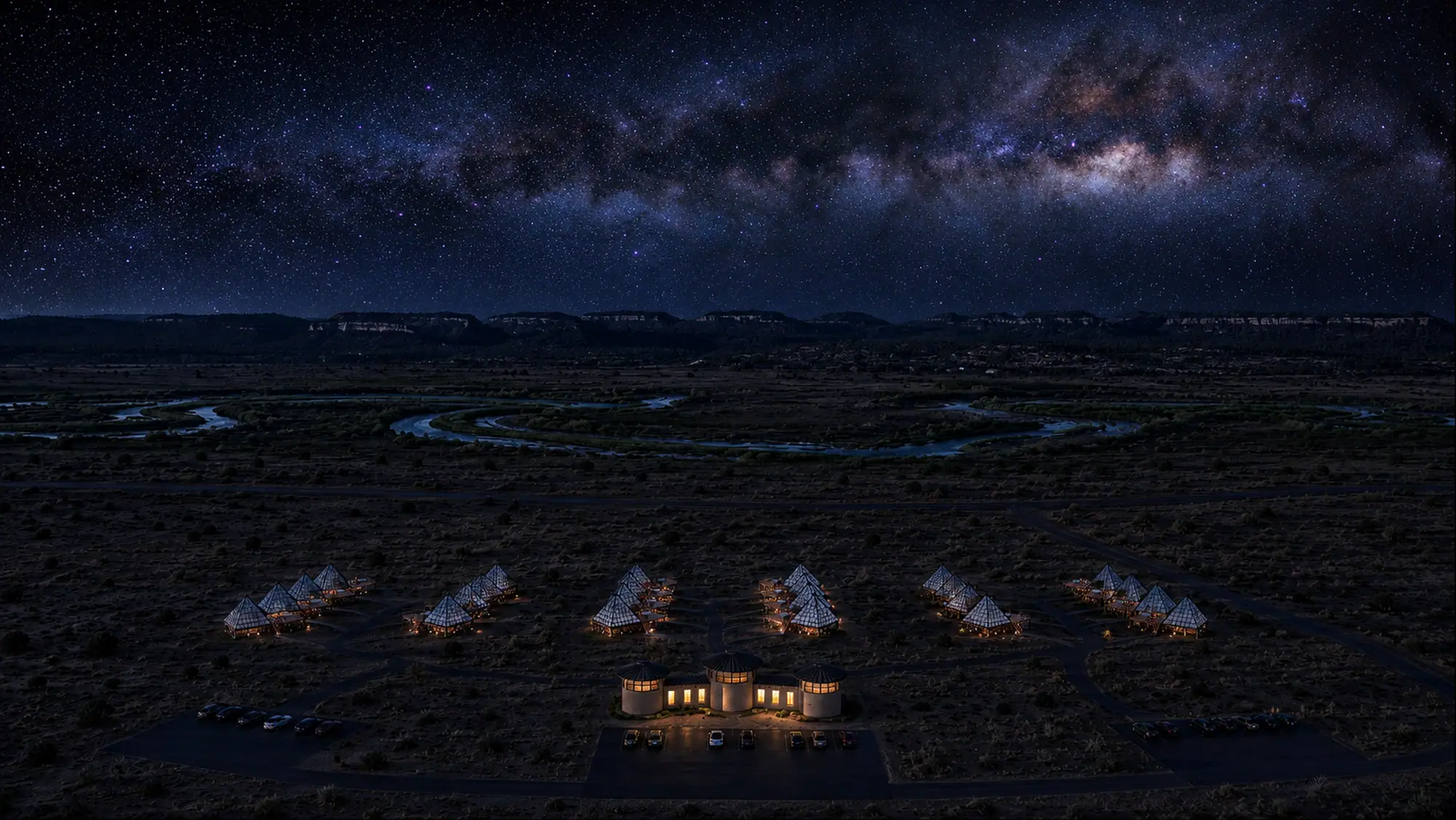
Discover private glass pyramids opening in 2027 near the West Entrance of Glacier National Park.
Reserve Your Pyramid Experiences & adventures →