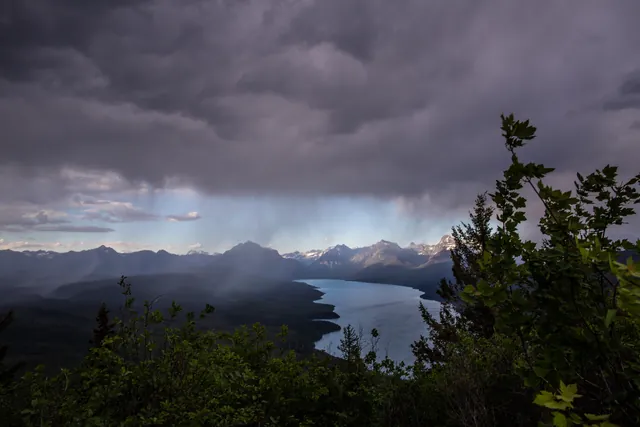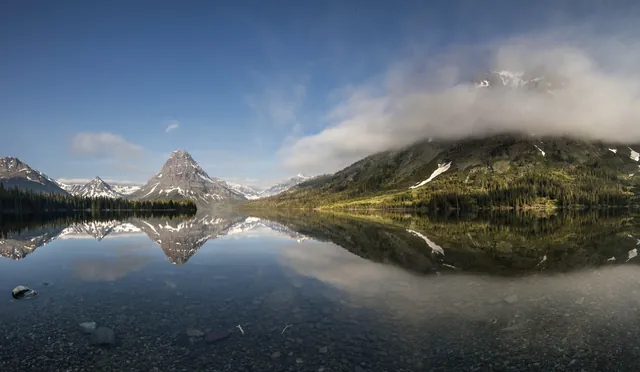

Going-to-the-Sun Road is a 50-mile paved route through the middle of Glacier National Park, between the West Entrance and the St. Mary Entrance. Its alpine section over Logan Pass is typically fully open by early July and stays open into October, weather permitting. No vehicle reservation is needed to drive it in 2026.
Going-to-the-Sun Road Opening and Closing Dates
The full Going-to-the-Sun Road, including the alpine section over Logan Pass, is typically open from early July until the third Monday of October (October 19 in 2026), weather permitting. The National Park Service sets no fixed opening date, because snowfall and plowing progress decide when the pass clears each year.
The lower-elevation sections stay open all year and give access to many places and activities in the park. Portions of the road can close for weather at any point in the season. Spring snowstorms and avalanches commonly force crews to re-plow sections they had already cleared, so the exact opening day cannot be predicted.
The road info page links a PDF of past opening and closing dates, plus the plowing and road status page that shows where plows are working.
Vehicle Reservation Rules for 2026
No vehicle reservation is needed to drive Going-to-the-Sun Road in 2026, and none is required anywhere else in Glacier National Park this year. That covers Many Glacier, Two Medicine and the North Fork as well as the road itself. You can drive in at either end without booking an entry time.
Vehicles can still be turned away at park entrances when an area becomes too congested. Holders of service reservations (boat tours, lodging, horseback rides, guided hikes), camping reservations and backcountry permits for those areas still get in during temporary restrictions, though they may face delays. If a diversion would wreck your plans, a booked tour or campsite on your target day gives you a way in.
Two other 2026 rules shaped a summer drive: timed parking at Logan Pass and a ticketed-only shuttle, both covered in the parking section below. These are 2026 rules, so confirm the current season on the park's Visiting Logan Pass page before a trip in a later year. The vehicle reservations and Logan Pass guide covers the entry rules in more detail.
Driving Times and Directions on Going-to-the-Sun Road
Driving the full road without stopping takes about 2 hours, and a day with stops at overlooks and Logan Pass usually runs 3 to 8 hours. Speed limits are 40 miles per hour on the lower elevations and 25 miles per hour in the alpine section. Drive blind curves slowly, because animals and pedestrians often cross the road without warning.
Logan Pass sits closer to the east end of the road. The Logan Pass lot usually fills by sunrise and stays busy through the day, though weather can change that.
| Leg | Distance |
|---|---|
| West Entrance to Logan Pass | 32 miles |
| St. Mary (east) entrance to Logan Pass | 18 miles |
| Full road, West Entrance to St. Mary Entrance | About 50 miles |
Built in the late 1920s and early 1930s, the road is paved and has many pullouts, some with signs and some with trails. A downloadable Going-to-the-Sun Road audio tour adds commentary at stops along the way. Pets can ride along and walk in parking lots and along the road on a leash no longer than 6 feet, but they are not allowed on trails.
Choosing a Direction
Pick the direction that matches where you are staying and what you most want to see.
- East to west suits you if you start near St. Mary. You reach Logan Pass after 18 miles. Westbound cars sometimes drive right through the spray of the Weeping Wall, and passengers can roll down the windows for a splash of cool snowmelt.
- West to east suits you if you start near Apgar or Lake McDonald. Jackson Glacier Overlook and the view of St. Mary Lake come in the last part of the drive.
If you would rather not drive, concessionaire bus tours from Sun Tours and the historic Red Buses travel the road. Both run Americans with Disabilities Act (ADA) accessible vehicles.
Logan Pass Parking and the 2026 Shuttle
From July 1 to September 7, 2026, private vehicles at Logan Pass could park for three hours at most, and the limit was enforced 24 hours a day. You parked first, then took a free, timestamped permit from the parking kiosk and left it on the dashboard. Three hours allows time for the hike to Hidden Lake Overlook, an interpretive program or a stop at the Logan Pass Visitor Center.
Overnight parking was not permitted, except with a park permit for backcountry users and Granite Park Chalet guests. Longer day hikes from the pass, such as the Highline Trail to Granite Park Chalet or the Loop Trailhead, required a shuttle ticket.
The Logan Pass Shuttle
The ticketed-only Logan Pass Shuttle ran over the same dates and replaced the park's earlier first-come, first-served shuttle. It offered express, same-day service to the pass from Apgar Visitor Center and Lake McDonald Lodge on the west side, and from St. Mary Visitor Center and Rising Sun Picnic Area on the east. Each ticket was good for one day, one boarding location and one boarding time.
Tickets were sold only through Recreation.gov or its call center at 877-444-6777, with a non-refundable $1 processing fee per ticket. None were sold inside the park, and tickets were non-transferable, with photo ID sometimes requested. Children aged two and older needed their own seat and ticket, while infants under two rode on a ticketed adult's lap.
Tickets came out in two booking windows:
- A portion 60 days ahead on a rolling basis, starting May 2, 2026, at 8 a.m. Mountain Daylight Time (MDT).
- The rest daily at 7 p.m. MDT for next-day rides, starting June 30.
In 2026 the shuttle did not serve Avalanche Lake or the Trail of the Cedars, so hikers bound for the Avalanche Lake Trail needed another way to the trailhead. Neither the timed parking nor the shuttle continued past Labor Day in 2026. If both return in a later summer, the same choice applies: drive up early for a short visit, or book a shuttle seat for a long hike.
Vehicle Size Limits on Going-to-the-Sun Road
Vehicles or vehicle combinations longer than 21 feet, including bumpers, or wider than 8 feet, including mirrors, are prohibited between Avalanche Creek and Rising Sun. Both points sit on the road, so a rig over either limit cannot drive the full route. Vehicles taller than 10 feet may have trouble driving west from Logan Pass to the Loop, because of rock overhangs.
Stock trucks and trailers can reach Packers Roost from the west and Siyeh Bend from the east. Measure length bumper to bumper and width across the mirrors. If your vehicle is over the limit, leave it at a lower-elevation spot and see the pass on a bus tour or, in a summer when it runs, the Logan Pass Shuttle.
Bicycle Rules
Cyclists can ride the road, but a time-of-day closure applies in summer. From May 24 through September 8, bicycles are prohibited in both directions from the Apgar turnoff to Logan Pass between 3 p.m. and 6 p.m. Ongoing road rehabilitation leaves some parts of the roadbed unpaved, so ride slowly on gravel.
Best Stops Along the Road
- Logan Pass. At 6,646 feet, the pass is the highest point on the road and the spot where it crosses the continental divide. The visitor center has restrooms and exhibits, and trails lead to Hidden Lake Overlook and the Highline. Mountain goats and bighorn sheep are seen here consistently.
- Jackson Glacier Overlook. This east-side stop between Logan Pass and St. Mary gives the best view of a glacier from the road. Jackson Glacier measured 316 acres in 1966 and 187 acres in 2015, a loss of 129 acres, or about 41 percent. You can see it from the parking area or walk toward it on the trail to Gunsight Lake.
- Wild Goose Island Overlook. The tiny island rises only 14 feet above St. Mary Lake, with mountains on every side. Parking and an accessible viewing area make it a frequent stop along the road.
- The Weeping Wall. This series of waterfalls was created when the road was built. The falls delight early-season visitors and typically slow to a trickle by the end of summer.
- Two Dog Flats. On the east side, this is where grizzly bears are often seen, so keep binoculars within reach.
Gas, Food and Restrooms
There is no gasoline anywhere in Glacier National Park, so fill the tank before you enter at either end. An electric vehicle (EV) charging station sits across from the Lake McDonald Lodge camp store.
In summer, food and lodging are available along the road at Rising Sun, Lake McDonald Lodge and Apgar Village. Picnic areas sit at Rising Sun, Avalanche Creek, Sprague Creek and Apgar. The three visitor centers on the road, at Apgar, Logan Pass and St. Mary, all have restrooms, drinking water, trip planning help, bookstores and exhibits.
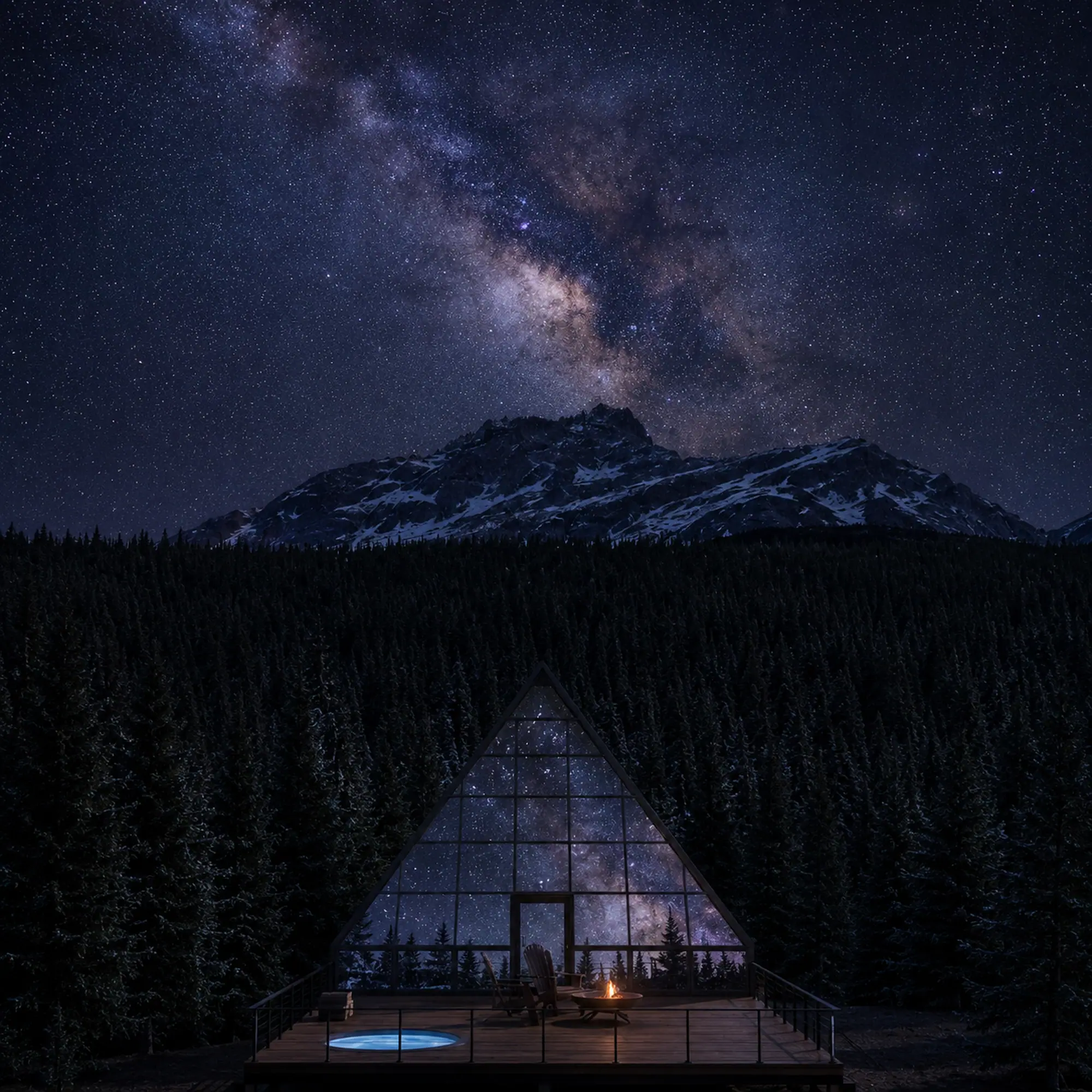
Five of the park's 13 campgrounds are on the road: Apgar, Sprague Creek, Avalanche, Rising Sun and St. Mary. If you would rather sleep outside the park, Dark Light Collection's Glacier pyramids, opening in 2027, sit within 15 minutes of the West Entrance.
Dark Light Collection's Glacier location sits within 15 minutes of the park's West Entrance. Dark Light Collection's glass pyramids put a king bed under the glass and a telescope on the private deck.
Frequently asked questions
Do you need a reservation for Going-to-the-Sun Road in 2026?
No. Vehicle reservations are not required anywhere in Glacier National Park in 2026, including Going-to-the-Sun Road. The 2026 summer did bring timed parking at Logan Pass and a ticketed-only shuttle from July 1 to September 7.
How long does it take to drive Going-to-the-Sun Road?
The full 50 miles take about 2 hours without stopping. With stops at overlooks and Logan Pass, plan on 3 to 8 hours.
When does Going-to-the-Sun Road close?
The full road is typically open until the third Monday of October, weather permitting, and storms can close sections earlier. The lower-elevation sections stay open all year.
Can RVs drive Going-to-the-Sun Road?
Smaller RVs can, but large ones cannot. Vehicles longer than 21 feet or wider than 8 feet, including bumpers and mirrors, are prohibited between Avalanche Creek and Rising Sun. Rigs over 10 feet tall may have trouble west of Logan Pass.
When will Going-to-the-Sun Road open in 2027?
Going-to-the-Sun Road usually opens along its full length by early July, once plowing finishes. The road has no set opening date, so the 2027 date is not known yet. If your trip depends on driving the whole road, plan it for July or later.
Stay Near Glacier's West Entrance
Founding deposits are open for Dark Light Collection's glass pyramids, opening in 2027 within 15 minutes of Glacier National Park's West Entrance.
Reserve Your Pyramid Stay near Glacier →