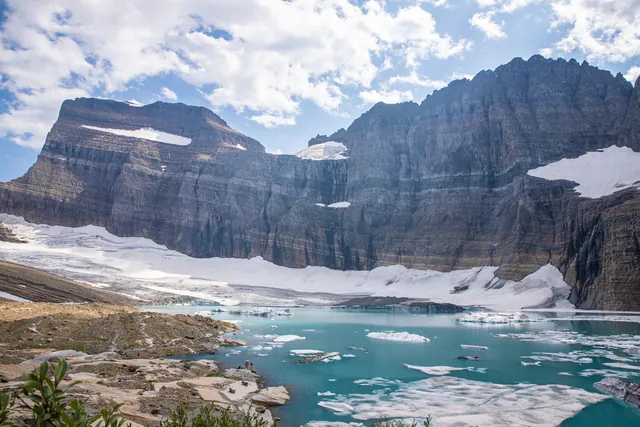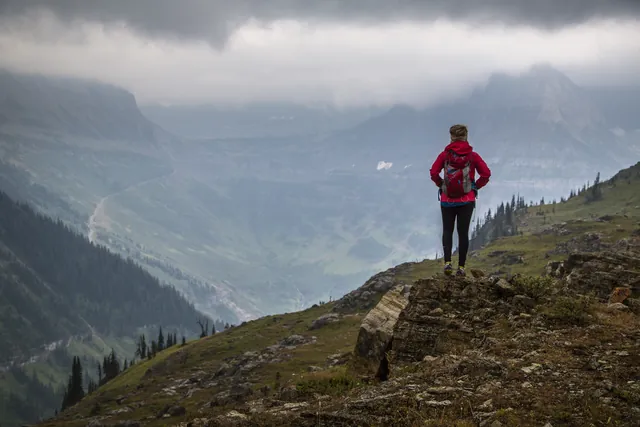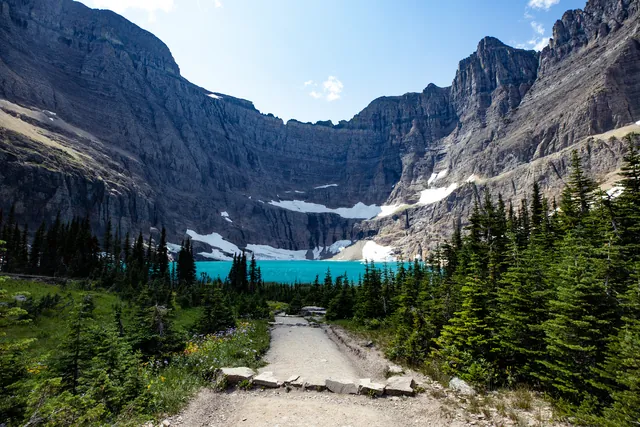

Your journey to Avalanche Lake begins on the Trail of the Cedars boardwalk at Avalanche Creek along Going-to-the-Sun Road. From that wooden pathway, follow the Avalanche Lake trail 2.3 mi (3.7 km) one way as it winds through old growth forest to the water. The park shuttle does not serve Avalanche Lake in 2026, so plan to drive in and arrive early. Avalanche Creek is one of the most popular and crowded spots in Glacier National Park.
Avalanche Lake Trail at a Glance
The Avalanche Lake trail offers a classic 4.6 mi (7.4 km) round trip out-and-back trek starting from the Avalanche Picnic Area on Going-to-the-Sun Road. Sharing its starting point with the Trail of the Cedars and the Avalanche Campground, the trail branches off the boardwalk to climb steadily through old growth forest all the way to the lake.
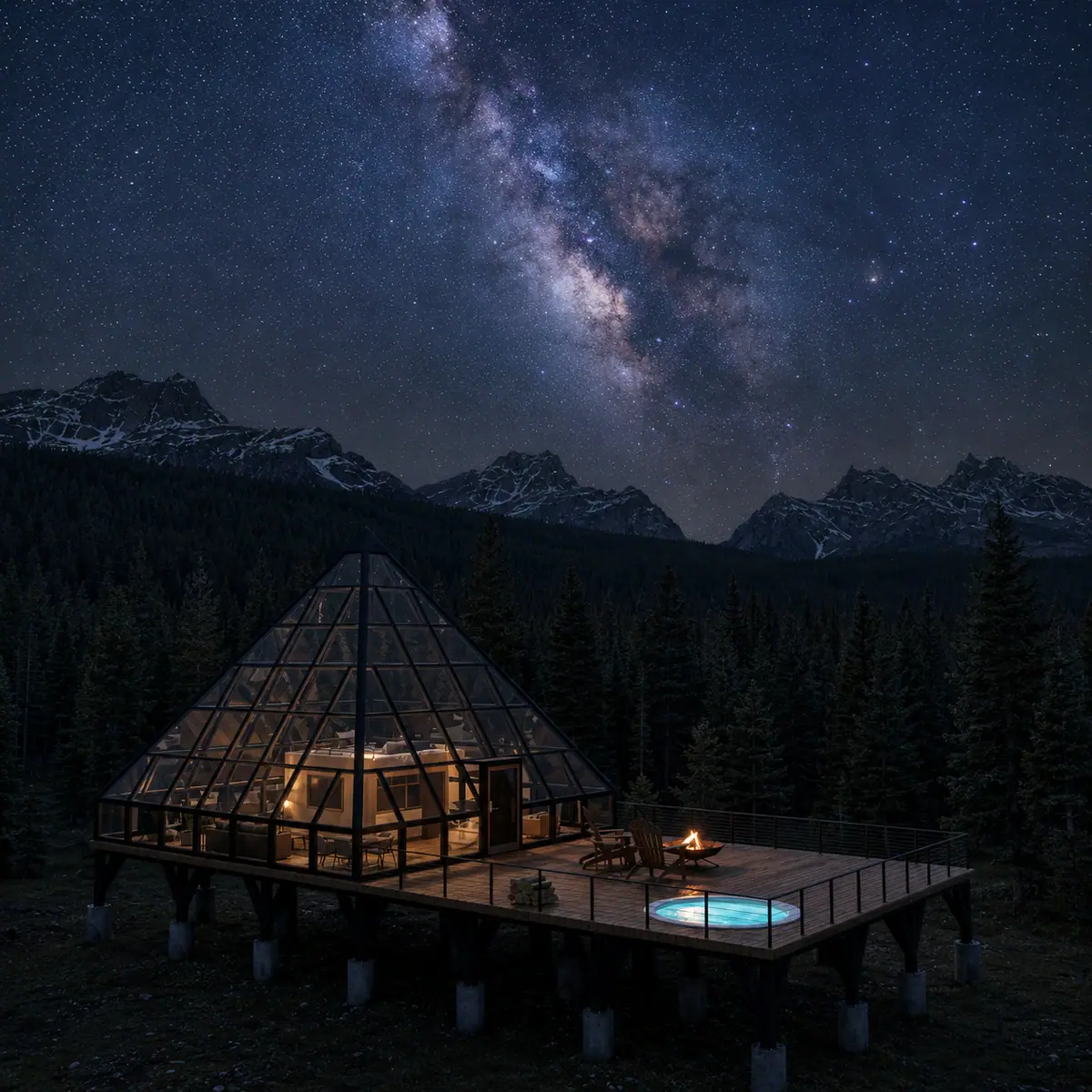
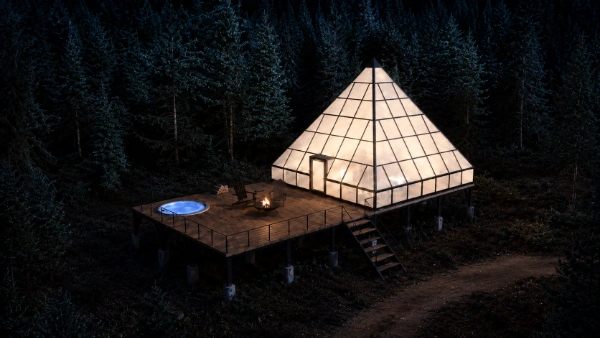
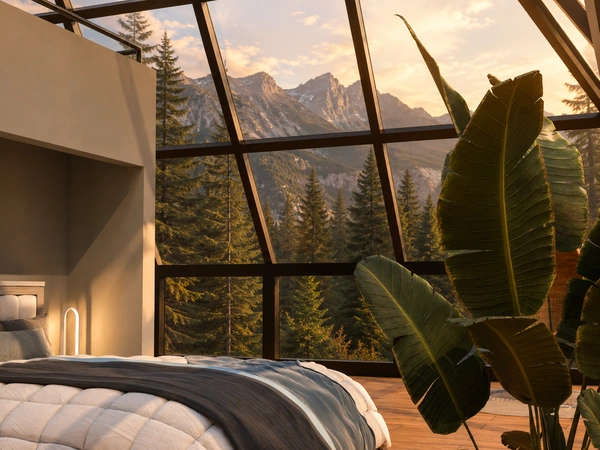
Stay Near Glacier's West Entrance in 2027
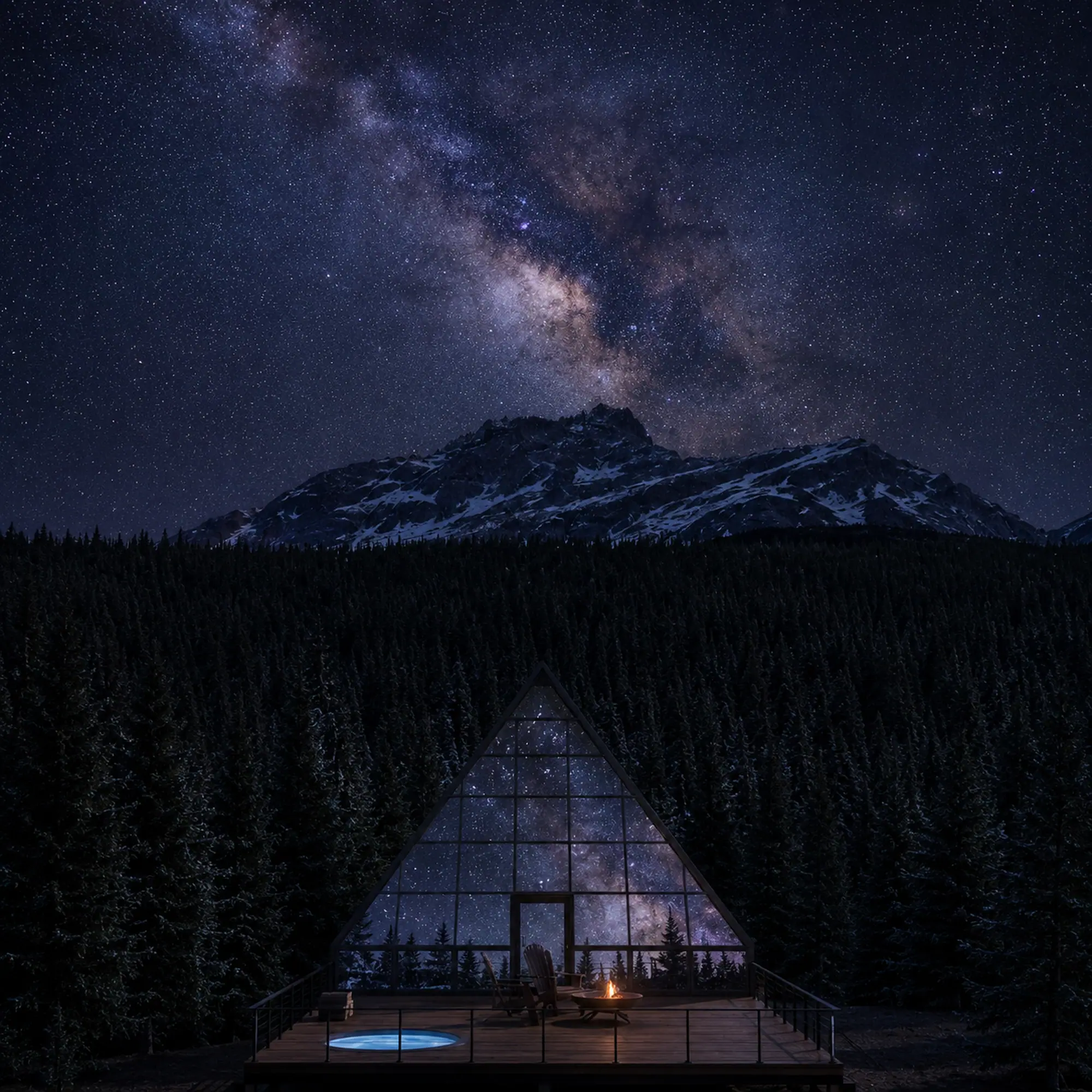
Get early access to our pyramids near Bryce Canyon and Glacier, with priority booking to all locations.
Concept renderings
The hike breaks down into four steps:
- Drive Going-to-the-Sun Road to Avalanche Creek and head for the trailhead at the Avalanche Picnic Area.
- Walk onto the Trail of the Cedars, following the boardwalk beside Avalanche Creek.
- Find the Avalanche Lake Trailhead branching off the Trail of the Cedars.
- Climb through the forest to the lake, then return the same way.
Elevation gain for the trail varies from 500 to 741 ft (152 to 226 m). Plan your day around the total round-trip distance and settle into your own comfortable pace on the steady grade.
Starting on the Trail of the Cedars
The Trail of the Cedars is a pleasant boardwalk nature trail along Avalanche Creek, and the Avalanche Lake Trailhead sits just off it. This loop also serves as the very first walk in the Glacier National Park with kids guide. The full loop covers 0.9 mi (1.1 km) with an easy 83 ft (25 m) of gain and loss.
As the boardwalk winds through old growth cedars, the surrounding cedar and hemlock forest around Avalanche Creek creates a lush world unlike anywhere else in Glacier. Listen for American dippers splashing along the water. Right near Avalanche Gorge, you can watch the rushing creek carving its way through sculpted rock.
Waterfalls and Old Growth at Avalanche Lake
Avalanche Lake in Glacier is an alpine lake with outstanding waterfalls, rewarding you at the top of a steady climb through old growth forest. Give yourself plenty of time to relax at the shore before turning around. The walk back covers the same scenic 2.3 mi.
Pack your lunch and plenty of water before leaving the car. The Avalanche Creek area features a convenient picnic area right at the trailhead for a post-hike meal.
Take care at the water's edge. Glacier asks every visitor to maintain extra awareness around water and steep dropoffs, and you are responsible for your own safety on its trails.
Parking and Driving to the Avalanche Lake Trail in 2026
In 2026 you reach the Avalanche Lake trail by car, because the park shuttle does not serve Avalanche Lake or the Trail of the Cedars this year. The plus side is that no vehicle reservation is required anywhere in the park in 2026, so you can drive in on any day the road is open. Be sure to check the National Park Service's Glacier site before planning a 2027 trip.
July and August are the busiest months in Glacier. The Glacier vehicle reservations and Logan Pass guide explains how this year's access rules worked across the park.
If you drive an RV or tow a trailer, double-check your dimensions before you hit the road. Vehicles over 21 ft long or 8 ft wide are prohibited between Avalanche Creek and Rising Sun, and vehicles over 10 ft tall may have difficulty west of Logan Pass. The Going-to-the-Sun Road guide covers the rest of the scenic drive.
There is no gasoline available inside Glacier, so fill your tank before passing through the gate. If you drive an electric vehicle, an EV charger stands across from the Lake McDonald Lodge camp store. The private vehicle entrance fee is $35 in summer and $25 in winter (November 1 to April 30), valid for 7 days. Take a look at the America the Beautiful pass guide to see if an annual pass suits your journey.
At Dark Light Collection, we are building glass pyramids on private land within 15 minutes of the West Entrance and about 20 minutes from Lake McDonald, opening in 2027. Founding guests will be the very first to experience these skies, and founding deposits are open now on the Glacier pyramids page.
Seasons and Road Openings
Glacier's summer season generally runs from late May through September, when most services in and near the park welcome travelers. Going-to-the-Sun Road has no set date for full opening and is typically fully open by early July. It usually stays fully open until the third Monday of October, weather permitting.
After that Monday, the west-side closure gate moves to Avalanche Creek or Lake McDonald Lodge, depending on weather. The alpine road beyond the gate then opens up for hikers and bicyclists to explore peacefully.
Fall brings crisp mountain air, thinner crowds and changing leaves by mid-September. The final golden color arrives in mid-October, when western larch turns yellow across the hillsides. Visitor centers close in late September and early October.
In spring, while crews plow Going-to-the-Sun Road, the road is often open exclusively to hikers and bicyclists, usually from early May through late June or early July. Most services reopen in late May or early June. In winter, the road is usually plowed from West Glacier to Lake McDonald Lodge, and Going-to-the-Sun Road is often open to skiing and snowshoeing as conditions permit.
To map out your seasonal timing, check our month-by-month breakdown on when to visit Glacier.
Bear Safety on the Avalanche Lake Trail
Always carry bear spray on the Avalanche Lake trail in every season. Bears are very active in spring, and in fall they spend more time foraging as they prepare for hibernation. Bears may still be active in winter, too.
If you see a bear or other wildlife, do not approach or feed it, whether you are on foot or in a car. Enjoy the moment from a distance with binoculars, a spotting scope or a long telephoto lens. In fall, you may also spot animals grazing along roadsides.
Before you go, review trail closures and road status on the Glacier National Park website, pack bear spray and water, and start the Avalanche Lake trail early in the day to make the most of your hike.
We designed our Glacier pyramids near the West Entrance with a king bed positioned for sky-gazing under triple-pane glass and a personal deck telescope on the private deck. See how the pyramids are laid out for stargazing from bed.
Frequently asked questions
How long is the Avalanche Lake hike?
The Avalanche Lake hike is 4.6 mi (7.4 km) round trip, out and back on the same trail from the Avalanche Picnic Area. Elevation gain varies from 500 to 741 ft along the route.
Can you take the shuttle to Avalanche Lake in 2026?
No. Avalanche Lake and the Trail of the Cedars are not served by the park shuttle in 2026.
Is Trail of the Cedars accessible?
Trail of the Cedars is a boardwalk nature trail with only 83 ft (25 m) of gain and loss around its loop. For current wheelchair access details, contact the park through nps.gov/glac or by phone at (406) 888-7800.
Stay Near Glacier's West Entrance in 2027
Get early access to our pyramids near Bryce Canyon and Glacier, with priority booking to all locations.
Reserve Your Pyramid Stay near Glacier →