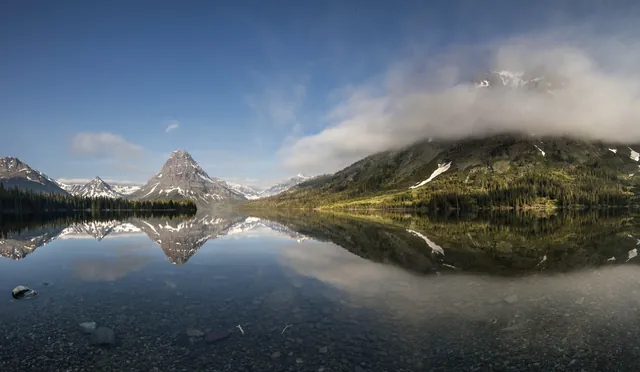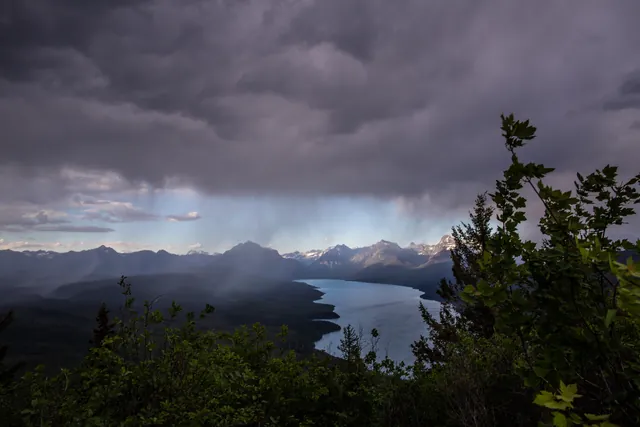

Glacier National Park weather is highly variable. July and August bring hot days and cool nights, June is often rainy and cool, and snow can come early in fall. Overnight lows anywhere in the park can drop to freezing, and snow is possible in any month, so every trip needs warm layers and rain gear.
Glacier National Park Weather at a Glance
Glacier's weather is highly variable and can be extreme, and the National Park Service advises visitors to be ready for all kinds of conditions. Overnight lows anywhere in the park can drop to freezing, and snow can fall in any month of the year.
West Glacier sits around 3,200 feet, while high points such as Logan Pass are generally 10 to 15°F cooler. Plan for a warm valley and a cold pass on the same drive.
Match your dates to the conditions in this season table:
| Season | Typical weather | Roads and access |
|---|---|---|
| Winter | Several feet of snow over most of the park; many cloudy, snowy days | Most roads closed; Going-to-the-Sun Road usually open from West Glacier to Lake McDonald Lodge, weather permitting |
| Spring into June | Rainy days and cool temperatures; high trails can be snow-covered until late June | Most roads open by late May except Going-to-the-Sun Road over Logan Pass |
| July and August | Hot days and cool nights; western valleys can top 90°F | Going-to-the-Sun Road typically fully open by early July; busiest months |
| September | Cooling temperatures; snow possible at lower elevations as early as mid-September | Visitor centers close in late September and early October |
| October and November | Larch turns yellow in mid-October | Going-to-the-Sun Road typically fully open until the third Monday of October; Many Glacier Road closes the third weekend in November, weather permitting |
Forecasts differ across the park, so read the separate West Glacier, St. Mary and Logan Pass forecasts on the park's weather page before you set the day's plan.
East Side vs West Side of the Continental Divide
Glacier straddles the Continental Divide, and the weather on each side can differ sharply on the same day. Warm, wet Pacific air moves in from the west. Cold, dry Arctic air arrives from the northeast, and the two meet at the Divide.
The west side is the wetter and warmer side. Western valleys get the most rainfall, with about 30 inches of precipitation a year in the lowlands, and daytime highs there can top 90°F. The east side sits higher and gets less precipitation overall, and sunny days, cooler temperatures and strong wind are common there.
| West side | East side | |
|---|---|---|
| Air mass | Warm, wet Pacific air | Cold, dry Arctic air from the northeast |
| Precipitation | Most rainfall; about 30 in a year in the lowlands | Less overall |
| Temperature | Daytime highs can exceed 90°F | Cooler, at higher elevation |
| Wind | Calmer than the east side | Prone to high winds; downslope gusts often 50 mph or more |
| Forecast to read | West Glacier | St. Mary |
| Pick it for | Warm valley days, if you can handle rain | Sunny days, if you pack for wind and cold |
East-side wind needs a plan of its own. Downslope gusts often reach 50 mph or more and sometimes hit 100 mph. In winter, chinook winds, nicknamed "snow-eaters," can raise temperatures by more than 30°F in minutes.
When Arctic air pools deep enough on the east side to spill over the Divide into Pacific moisture, blizzards can result. One storm dropped 44 inches of snow in a single day.
Precipitation also changes with height. The driest corners, along the northeast and northwest edges, average about 23 inches a year. Isolated mountain cirques near the Divide can get 100 inches or more, because moist air is forced upward and cools.
If rain is forecast in West Glacier, check the St. Mary forecast before you cancel a hike.
Glacier National Park in June and Spring
Rainy days and cool temperatures are common in spring and continue through June, so a June trip needs a rain shell in the bag. Most services in and near the park reopen in late May or early June. Spring visitors need to plan ahead and be self-sufficient.
Snow decides what you can reach. The park's snowpack averages around 16 feet, and plowing Going-to-the-Sun Road takes months. By late May most park roads are open to cars, but the road over Logan Pass usually stays closed to vehicles until late June or early July.
While crews plow, Going-to-the-Sun Road is often open to hikers and bicyclists only. That window usually runs from early May through late June or early July, and the road is normally plowed to Logan Pass by late June.
Higher-elevation trails can be dangerous and snow-covered until late June, so plan high hikes for July or later. Bears and other wildlife are very active in spring, so carry bear spray on every walk.
Spring is a poor fit if crossing Logan Pass by car is the main goal.
July and August Weather
July and August bring hot days and cool nights as the normal pattern. Going-to-the-Sun Road has no set opening date, but it is typically fully open by early July. Logan Pass is not reachable by car until the full road opens.
The Going-to-the-Sun Road guide covers the drive itself. The vehicle reservations guide covers Logan Pass access for 2026.
Summer days can turn quickly. Hikers setting out on a warm day should expect changing conditions, so carry rain gear and extra layers even when the day starts warm. Logan Pass runs colder than the valleys, and snow can fall there in any month.
July and August are also the busiest months of the year in Glacier. Pick them if you want warm weather and full road access. If you would rather avoid the biggest crowds, look at September and pack for colder days.
Glacier National Park in September and Fall
Fall brings cooler temperatures, and snow may fall at lower elevations as early as mid-September. Leaves begin turning in September. The last color change arrives in mid-October, when the western larch, a conifer that drops its needles, turns yellow.
Highway 2, along the park's southern boundary, is sometimes the best road for seeing the larch. The park is generally less crowded in fall, though you will pass plenty of hikers on the trails through September.
Wildlife is more active in fall, and bears spend more time foraging before hibernation. Keep bear spray within reach and watch the roadsides for grazing animals. Use binoculars or a long lens instead of walking closer.
Services thin out as the weather turns. Most businesses run their summer season from late May through September, and visitor centers close in late September and early October. Lodging inside the park is not available late in the season, and full grocery stores sit outside the park in Browning, Hungry Horse and Columbia Falls.
Going-to-the-Sun Road typically stays fully open until the third Monday of October, weather permitting. After that, the west-side closure gate moves to Avalanche Creek or Lake McDonald Lodge, and hikers and bicyclists can use the road beyond the gate.
September suits travelers who want quieter trails and fall color, and who can handle cold air and a chance of snow. If you want the warmest days, choose July or August instead.
Winter in Glacier
In winter, most of Glacier lies under several feet of snow, and cloudy, snowy days are frequent. Most businesses and services in and near the park close from early October through late May. Winter visitors need to be entirely self-sufficient.
Weather closes most park roads. The stretch of Going-to-the-Sun Road from West Glacier to Lake McDonald Lodge is usually plowed and open year-round, weather permitting. As conditions allow, Going-to-the-Sun Road is often open to skiing and snowshoeing.
Primitive camping is available year-round at Apgar and St. Mary campgrounds, and wilderness camping requires a permit in every season. Restrooms at the Apgar Visitor Center remain open year-round. Bears may be active even in the cold months, so carry bear spray.
Scientists studying the park expect more precipitation to fall as rain instead of snow over time. That means a smaller alpine snowpack and continued melting of the park's remaining glaciers.
For what is open and how to plan a snowy trip, see visiting Glacier National Park in winter.
Road Openings and Glacier National Park Weather
Weather sets the road calendar in Glacier, and opening and closing dates shift with it. Plowing winter snow from park roads can take two to four months. Going-to-the-Sun Road has no set date for full opening and stays fully open into fall only while the weather permits.
Other roads follow the weather too. Many Glacier Road closes the third weekend in November, weather permitting, and Two Medicine Road closes once snow and storms require it.
For current status, use the park's operating hours and seasons page, tune to the Travelers' Information Station at 1610 AM near park entrances, or call (406) 888-7800. The best time to visit Glacier guide weighs these road windows against crowds.
What to Pack for Glacier National Park Weather
Extra layers make the biggest difference to comfort in every season. Build the bag around cold, wet and wind:
- Rain gear, even for July and August.
- Warm layers for overnight lows that can drop to freezing.
- A windproof shell for the east side, where downslope gusts are often 50 mph or more.
- Bear spray for every hike.
- A refillable water bottle. The Apgar Visitor Center, two miles north of the West Entrance, has a filling station.
- Food and supplies in spring, fall and winter, when services in and near the park are limited or closed.
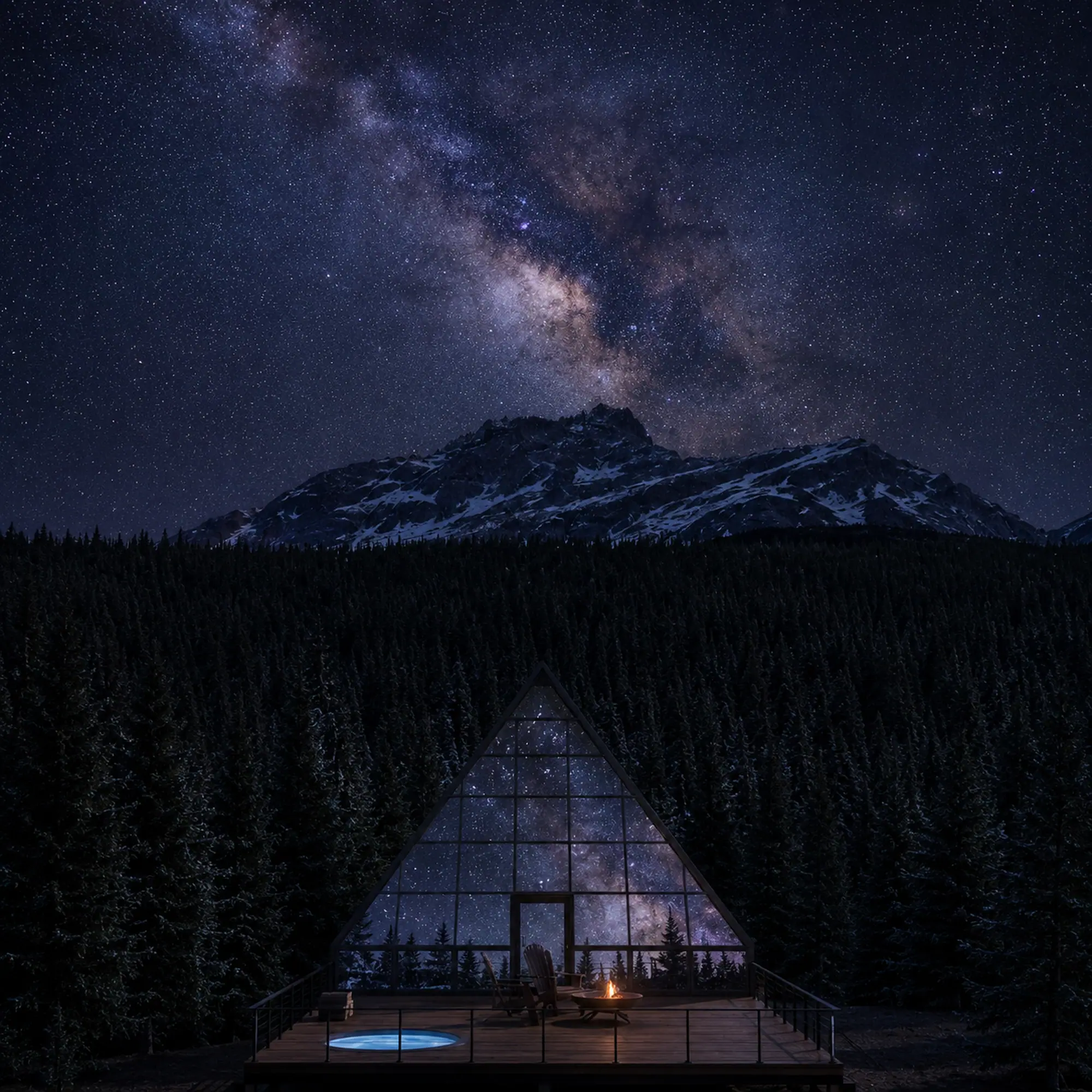
At Dark Light Collection, we are building glass pyramids within 15 minutes of Glacier's West Entrance, opening in 2027. Each one is designed with a private deck, a fire pit and heated loungers, and the Glacier location page has founding deposit details.
Before any trip, pack for the coldest of the West Glacier, St. Mary and Logan Pass forecasts.
Cool nights are normal even in July and August, so a warm layer is the first thing to pack if you plan to stay out after dark and watch the sky.
Frequently asked questions
What is the best month for weather in Glacier?
July and August bring hot days and cool nights, and Going-to-the-Sun Road is typically fully open. They are also the busiest months, so choose fall if you would trade some warmth for smaller crowds and can pack for snow.
When does it start snowing in Glacier National Park?
Snow is possible at lower elevations as early as mid-September, and higher ground such as Logan Pass can see snow in any month.
How cold is Logan Pass?
Logan Pass is generally 10 to 15°F cooler than the lower valleys. It sits at 6,646 feet (2,026 m), and overnight lows throughout the park can drop to freezing.
Is there still snow in Glacier in April and May?
Yes, especially at higher elevations, where the snowpack averages around 16 feet. Going-to-the-Sun Road over Logan Pass is still being plowed, and from early May it is often open only to hikers and bicyclists. Most other park roads open by late May, but high trails can stay snow-covered until late June.
A Glass Pyramid Near Glacier's West Entrance
Founding deposits are open for our Glacier pyramids, opening in 2027 within 15 minutes of the West Entrance.
Reserve Your Pyramid Stay near Glacier →