
There are 63 national parks in the U.S. park system, or 64 if you count Sequoia and Kings Canyon as two separate parks. This list of national parks groups all of them by state, and together they cover 30 states and two U.S. territories. California has the most, with nine, and Alaska is next with eight.
The Full List of National Parks by State
Every U.S. national park appears in the table below, sorted by state, with American Samoa and the U.S. Virgin Islands placed alphabetically among the states. Three parks cross state lines, so they show up under each state they touch and count toward each state's total.
| State | Parks | National parks |
|---|---|---|
| Alaska | 8 | Denali, Gates of the Arctic, Glacier Bay, Katmai, Kenai Fjords, Kobuk Valley, Lake Clark, Wrangell-St. Elias |
| American Samoa | 1 | National Park of American Samoa |
| Arizona | 4 | Chiricahua, Grand Canyon, Petrified Forest, Saguaro |
| Arkansas | 1 | Hot Springs |
| California | 9 | Channel Islands, Death Valley (shared with Nevada), Joshua Tree, Kings Canyon, Lassen Volcanic, Pinnacles, Redwood National and State Parks, Sequoia, Yosemite |
| Colorado | 4 | Black Canyon of the Gunnison, Great Sand Dunes, Mesa Verde, Rocky Mountain |
| Florida | 3 | Biscayne, Dry Tortugas, Everglades |
| Hawaii | 2 | Haleakalā, Hawaiʻi Volcanoes |
| Idaho | 1 | Yellowstone (shared with Montana and Wyoming) |
| Indiana | 1 | Indiana Dunes |
| Kentucky | 1 | Mammoth Cave |
| Maine | 1 | Acadia |
| Michigan | 1 | Isle Royale |
| Minnesota | 1 | Voyageurs |
| Missouri | 1 | Gateway Arch |
| Montana | 2 | Glacier, Yellowstone (shared with Idaho and Wyoming) |
| Nevada | 2 | Death Valley (shared with California), Great Basin |
| New Mexico | 2 | Carlsbad Caverns, White Sands |
| North Carolina | 1 | Great Smoky Mountains (shared with Tennessee) |
| North Dakota | 1 | Theodore Roosevelt |
| Ohio | 1 | Cuyahoga Valley |
| Oregon | 1 | Crater Lake |
| South Carolina | 1 | Congaree |
| South Dakota | 2 | Badlands, Wind Cave |
| Tennessee | 1 | Great Smoky Mountains (shared with North Carolina) |
| Texas | 2 | Big Bend, Guadalupe Mountains |
| U.S. Virgin Islands | 1 | Virgin Islands |
| Utah | 5 | Arches, Bryce Canyon, Canyonlands, Capitol Reef, Zion |
| Virginia | 1 | Shenandoah |
| Washington | 3 | Mount Rainier, North Cascades, Olympic |
| West Virginia | 1 | New River Gorge |
| Wyoming | 2 | Grand Teton, Yellowstone (shared with Idaho and Montana) |
Death Valley spans California and Nevada, Great Smoky Mountains spans North Carolina and Tennessee, and Yellowstone reaches into Idaho, Montana and Wyoming. Sequoia and Kings Canyon appear as two parks in the California row, which is why California leads the table. To open the official page for any park, use the National Park Service Find a Park tool.
Why the List of National Parks Counts 63 or 64
The national park total changes by one depending on how you treat Sequoia and Kings Canyon, a single park unit in California that holds two national parks. Sequoia & Kings Canyon National Parks share one official website and one entry in the national park list. Count that entry once for the lower total, or count each park on its own for the higher one.
Park names vary more than the count suggests. Eight parks carry the longer title 'National Park & Preserve': six in Alaska, plus Great Sand Dunes in Colorado and New River Gorge in West Virginia. Redwood National and State Parks and the National Park of American Samoa use their own name forms, and both are counted.
Some parks on the list sit in or near cities. Gateway Arch National Park in St. Louis commemorates the city's role in westward expansion and Dred and Harriet Scott, who sued for their freedom. Hot Springs National Park in Arkansas is known for its historic bathhouses and ancient thermal springs.
If another list gives a different total, look at two things. One is whether Sequoia and Kings Canyon counts once or twice. The other is whether the parks in American Samoa and the U.S. Virgin Islands are included; leave out those two territory parks and the unit count drops to 61.
National Parks by Region
Alaska
Several of Alaska's parks are measured in millions of acres. Wrangell-St. Elias covers 13.2 million acres and rises from the ocean to 18,008 feet. Denali has six million acres crossed by a single road, where taiga forest gives way to alpine tundra and Mount McKinley, North America's tallest peak at 20,310 feet.
Gates of the Arctic has no roads or trails at all. Kenai Fjords holds nearly 40 glaciers flowing from the Harding Icefield, and Katmai was established in 1918 to protect the volcanic region around Novarupta and the Valley of Ten Thousand Smokes.
Pacific Coast, Hawaii and American Samoa
The Pacific parks mix volcanoes, glaciers and the world's tallest trees. Mount Rainier rises to 14,410 feet and is the most glaciated peak in the contiguous U.S. North Cascades sits less than three hours from Seattle, with more than 300 glaciers on its peaks.
Crater Lake formed after an eruption 7,700 years ago and is the deepest lake in the country. In California, Yosemite was first protected in 1864, Redwood holds the world's tallest trees, and Channel Islands covers five islands and their ocean waters.
Hawaiʻi Volcanoes runs from sea level to 13,680 feet across the summits of two active volcanoes. Grand Canyon takes in 278 miles of the Colorado River, and Arches has over 2,000 natural stone arches. At White Sands, gypsum dunes have engulfed 275 square miles of desert, creating the largest gypsum dunefield in the world.
Carlsbad Caverns has more than 119 caves beneath the Chihuahuan Desert. Great Basin climbs to the 13,063-foot summit of Wheeler Peak, and Saguaro protects the nation's largest cacti on both sides of Tucson. Death Valley is a below-sea-level basin known for record summer heat.
Rocky Mountains and Northern Plains
Great Sand Dunes holds the tallest dunes in North America and is an International Dark Sky Park. Rocky Mountain covers 415 square miles, from montane meadows to alpine lakes and high peaks. Mesa Verde protects communities that the Ancestral Pueblo people built on mesas and in cliffs for over 700 years.
On the plains, Badlands protects 244,000 acres of mixed-grass prairie and one of the world's richest fossil beds. Theodore Roosevelt National Park covers the Dakota land where Roosevelt came to hunt bison in 1883. Wind Cave pairs a cave system with prairie where bison and elk roam.
Midwest and Great Lakes
Cuyahoga Valley lies a short distance from Cleveland and Akron, and Indiana Dunes runs along 15 miles of Lake Michigan shore with over 50 miles of trails. Isle Royale is an island you reach by crossing Lake Superior, and Voyageurs covers 218,000 acres of lakes and forest in northern Minnesota.
East, South and the Caribbean
Acadia gets about 4 million visits a year, which puts it among the 10 most-visited national parks. Shenandoah is 75 miles from Washington, D.C. Great Smoky Mountains straddles the border between North Carolina and Tennessee.
Mammoth Cave in Kentucky has the world's longest known cave system. Congaree in South Carolina protects the largest intact old-growth bottomland hardwood forest left in the Southeast. New River Gorge follows one of the oldest rivers on the continent.
Florida has three parks. Everglades was established in 1947 as the first national park created for its biodiversity, Biscayne lies within sight of Miami, and Dry Tortugas sits almost 70 miles west of Key West. Virgin Islands National Park pairs white-sand beaches with plantation history and ancient Taino petroglyphs.
Utah and Montana National Parks
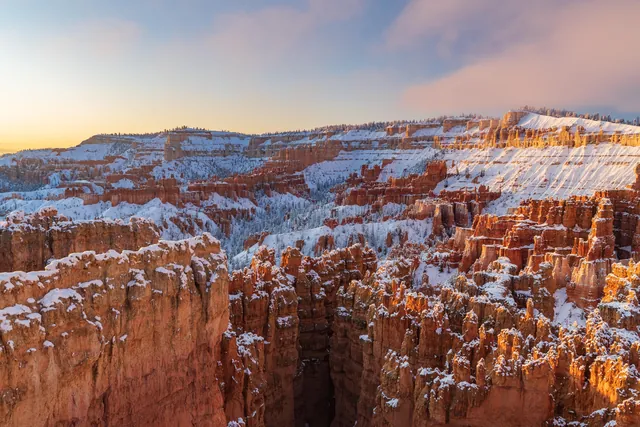
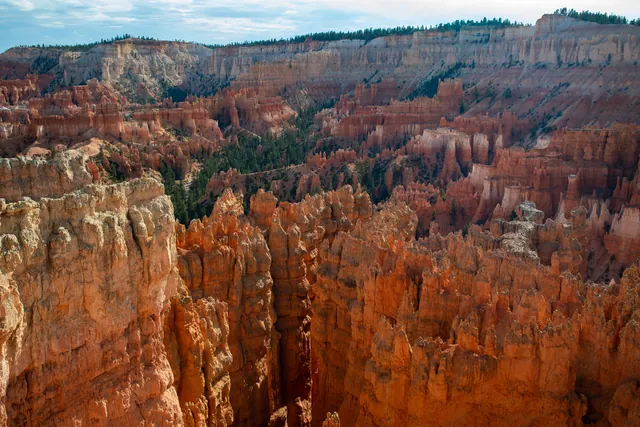
Utah has five national parks and Montana has two, including Yellowstone, which Montana shares with Idaho and Wyoming. Bryce Canyon holds the largest concentration of hoodoos on Earth, along a high plateau at the top of the Grand Staircase. Zion has cream, pink and red sandstone cliffs and a narrow slot canyon.
Canyonlands is a wilderness carved by the Colorado and Green Rivers and is divided into four districts. Capitol Reef follows the Waterpocket Fold for almost 100 miles, and Arches adds rock fins, pinnacles and giant balanced rocks.
In Montana, Glacier National Park has over 700 miles of trails, historic chalets and alpine meadows. The Glacier National Park guide and Bryce Canyon guide cover trails, weather and timing for each park.
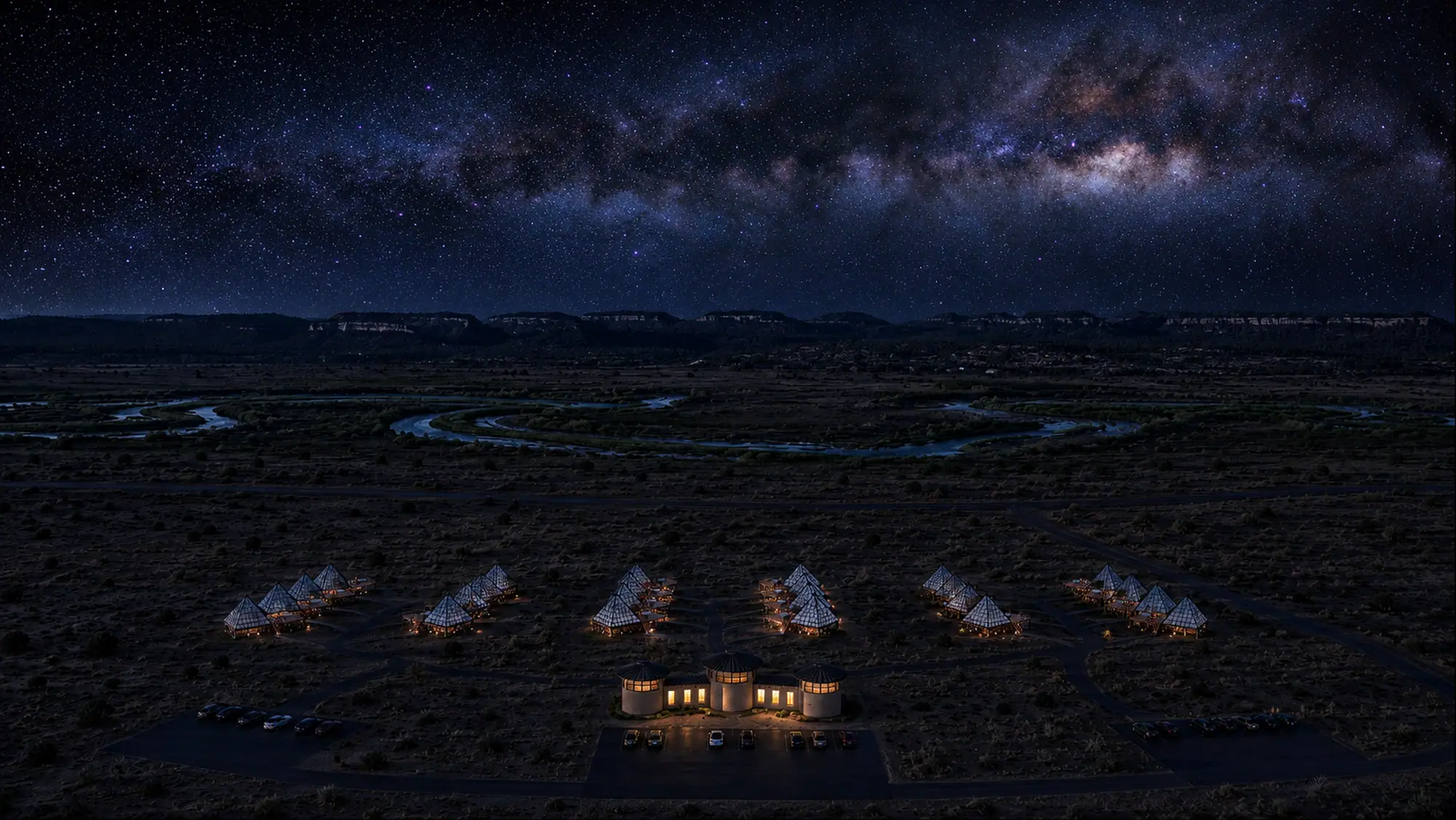
At Dark Light Collection, we are building glass pyramids on private land near both parks, opening in 2027. The Bryce Canyon site is about 15 minutes from the park, with Zion about an hour away. The Glacier site is within 15 minutes of the West Entrance and about 20 minutes from Lake McDonald.
Passes and Fees for Multi-Park Trips
Entrance fees and annual pass prices are listed on the National Park Service passes page, and those are the figures to budget with. Start by writing down every park on your route. Add up each park's entrance fee from that page, then compare the total with the price of an annual pass.
A loop through the Utah parks, or a trip that links Glacier and Yellowstone, is the kind of route where that comparison can change what you buy. The America the Beautiful Pass guide covers that pass in more detail.
Planning Tips for Visiting Several Parks
Sort the parks on your list by how you reach them before you build a multi-park route.
- Boat or plane only. Dry Tortugas is reachable only by boat or seaplane, and Isle Royale requires a crossing of Lake Superior. Book that transport before anything else on the trip.
- No roads. Gates of the Arctic has no roads or trails.
- One road or split districts. Denali has one road through the whole park, and no road joins the four Canyonlands districts. Plan one Canyonlands district per day.
- Heat and snow. Death Valley brings record summer heat, while its high peaks carry snow in winter. Pick your month with both in mind.
- Night skies. Big Bend describes its night skies as dark as coal, and Great Sand Dunes is open 24 hours a day, every day of the week, so you can stay out for the stars.
For a Utah trip, the Zion to Bryce Canyon guide covers the drive between those two parks. The experiences page lists the guided astronomy sessions and golden-hour photography tours planned at the Bryce and Glacier sites. Pick a region from this list of national parks, open each park's official page through Find a Park, and book the hardest-to-reach park on your route first.
Several parks on this list describe dark night skies in their own words, including Big Bend, Chiricahua, Joshua Tree and Great Sand Dunes. The guide to Dark Sky Parks in the US covers where to see them.
Frequently asked questions
How many national parks are in the US?
There are 63 national park units, or 64 parks if Sequoia and Kings Canyon count as two. That total includes the National Park of American Samoa and Virgin Islands National Park.
Which state has the most national parks?
California has the most, with nine when Sequoia and Kings Canyon count separately; one of them, Death Valley, is shared with Nevada. Alaska is next with eight, and Utah has five.
Is every national park run by the National Park Service?
Every park on this list belongs to the National Park Service system. Redwood National and State Parks is the one unit whose name also covers state parks.
Which national parks are free?
Look up every park on your route on the passes and fees page before you budget the trip. Add those fees together and compare the total with an annual pass.
Stay Near Bryce Canyon or Glacier
Founding deposits are open for our glass pyramids near Bryce Canyon and Glacier, opening in 2027.
Reserve Your Pyramid Experiences & adventures →