
Bryce Canyon weather stays crisp for most of the year at the park's high elevation. Temperatures fall below freezing nearly every night from October to May, and December through February is the coldest and snowiest stretch. Summer days are pleasant, with frequent brief afternoon thunderstorms across July and August.
Bryce Canyon Weather at a Glance
High elevation makes Bryce Canyon weather changeable, with conditions that can shift quickly in any season. The National Park Service (NPS) calls autumn, winter and spring at the park highly variable.
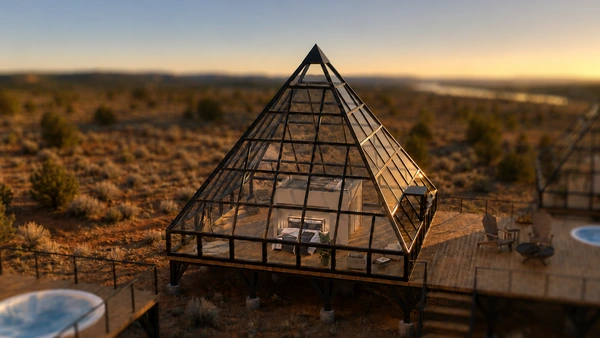

Watch the Bryce Sky From a Glass Pyramid
Get early access to our pyramids near Bryce Canyon and Glacier, with priority booking to all locations.
Concept renderings
In July, the warmest month, the average high reaches 80°F and the average low drops to 53°F, creating a swing of 27 degrees between afternoon and dawn. In January the average high is 37°F and the low falls to 15°F, so a sunrise walk to a viewpoint starts well below freezing.
Historical records show the outer edges, reaching a low of -26°F in January and February and peaking at 98°F in July. Weather-related closures are posted as alerts on the park's current conditions page. The same page carries the forecast and a webcam looking east from Yovimpa Point, so open it the night before you drive in.
Monthly Bryce Canyon Weather Averages
The table below outlines the park's historic monthly averages for temperature, snow, rain and thunderstorms, with temperatures shown in degrees Fahrenheit and precipitation in inches.
| Month | Avg High (°F) | Avg Low (°F) | Normal Snow (in) | Normal Rain (in) | Thunderstorms |
|---|---|---|---|---|---|
| Jan | 37 | 15 | 17 | 1.8 | 0 |
| Feb | 38 | 17 | 18 | 1.4 | 0 |
| Mar | 45 | 23 | 17 | 1.5 | 0 |
| Apr | 54 | 29 | 8 | 0.8 | 1 |
| May | 64 | 37 | 2 | 0.8 | 3 |
| Jun | 75 | 45 | 0.1 | 0.6 | 2 |
| Jul | 80 | 53 | 0 | 1.6 | 11 |
| Aug | 77 | 50 | 0 | 2.0 | 12 |
| Sep | 70 | 42 | 0.1 | 1.8 | 4 |
| Oct | 58 | 32 | 3 | 2.0 | 1 |
| Nov | 45 | 23 | 10 | 1.3 | 0 |
| Dec | 36 | 15 | 14 | 1.2 | 0 |
February has the highest normal snowfall at 18 inches, while January and March follow at 17 inches each. July and August record no normal snow at all, while June and September each list a trace of 0.1 inch. Thunderstorms climb from 2 in June to 11 in July and 12 in August, then fall to 4 in September.
Match your travel plans to what you want most from the trip:
- Warmest days: July and August, with hikes planned around afternoon storms.
- Warm days with fewer storms: June and September.
- Snow: December through February, with nights in the teens.
You can review rain maximums, 24-hour rain records and record snowfall for every month directly on the park's weather page.
Spring Weather from March to May
Spring across Bryce Canyon stays wintry once the sun sets: temperatures fall below freezing nearly every night through May, and storms in March and April can still drop heavy snow that affects travel in the region. Daytime highs warm in steady steps, from 45°F in March to 54°F in April and 64°F in May. Average lows climb from 23°F in March to 29°F in April and sit just above freezing in May at 37°F, keeping frosty nights common.
Normal snowfall drops from 8 inches in April to 2 inches in May. April also holds a record maximum of 62 inches, so a late spring storm can still bring deep snow. If your travel dates fall in March or April, keep a free day in your itinerary in case passing winter weather slows the drive.
Thunderstorms pick up in May, with a typical count of 3 for the month. The park shuttle begins its season in April and runs through mid-October, and riding it is optional but recommended. Trail conditions are updated at the visitor center, so check there before heading out on a spring hike along the Navajo Loop Trail or another route from our list of Bryce Canyon hikes.
Summer Weather and Thunderstorm Safety
Summer at Bryce Canyon brings pleasant days alongside a seasonal pattern of frequent, usually brief afternoon thunderstorms in July and August. These systems produce heavy rain and frequent lightning, and monsoon storms stay common into September.
Daytime highs reach the high 70s to low 80s (°F) in July and August. June runs cooler, with highs that vary from the high 60s to the mid 70s (°F). Crisp mountain air cools the evenings, with average summer lows running from 45°F in June to 53°F in July, alongside an average August low of 50°F.
Lightning kills, and it is most common and most dangerous during July and August storms. The National Park Service sums up the rule as "when thunder roars, go indoors." Start long hikes early in the morning, plan to be back at your car or a building by early afternoon, and leave open viewpoints at the very first rumble.
Lightning can strike in any month, so that same safety rule holds outside summer. You can check current flash flood watches and warnings on the park's conditions page before heading out.
Fall Weather and Early Snow
Fall at Bryce Canyon starts warm and ends wintry, with September weather feeling close to June, while October brings both sunny days and snowstorms. September's average high is 70°F and its average low is 42°F, with a typical count of 4 thunderstorms as the summer monsoon season winds down.
October marks the return of freezing nights. The average high drops to 58°F and the low falls to 32°F, and while snowstorms are not unusual, many October days remain sunny and pleasant for hiking. The shuttle season ends in mid-October.
November takes a step closer to winter, with an average high of 45°F, a low of 23°F and a normal 10 inches of snow. If you visit in late fall, pack for winter even when the forecast looks mild, because snow is on record in every month from September through June.
Bryce Canyon in Winter
Winter at Bryce Canyon is coldest and snowiest from December through February, and winter storms can create some of the most challenging conditions on the plateau. December's average high is 36°F and February's is 38°F, with overnight lows dipping into the teens across all three months.
Normal snowfall averages 14 inches in December and reaches 18 inches in February, while January's historical maximum on record stands at 82 inches.
Inside the park, fires are permitted only in established fire pits, and current fire restrictions are posted as park alerts.
To see what stays open, which trails close and how to experience Bryce Canyon in winter, see is Bryce Canyon worth visiting in winter?.
How Bryce Canyon Weather Affects Stargazing
Bryce Canyon weather sets a clear trade-off for stargazing: summer brings milder nights alongside afternoon storms, while winter brings no thunderstorms but much colder air. The table lists zero thunderstorms from November through February, whereas July and August carry the most storms of any month. July lows average in the low 50s and August lows sit around 50°F.
From October to May, a night under the sky means sitting outside below freezing. Dress in warm layers, bring a hat and gloves, and plan shorter viewing sessions with breaks somewhere warm. The guide to stargazing at Bryce Canyon covers viewing spots across the park, and the Bortle scale explained shows how sky darkness is measured.
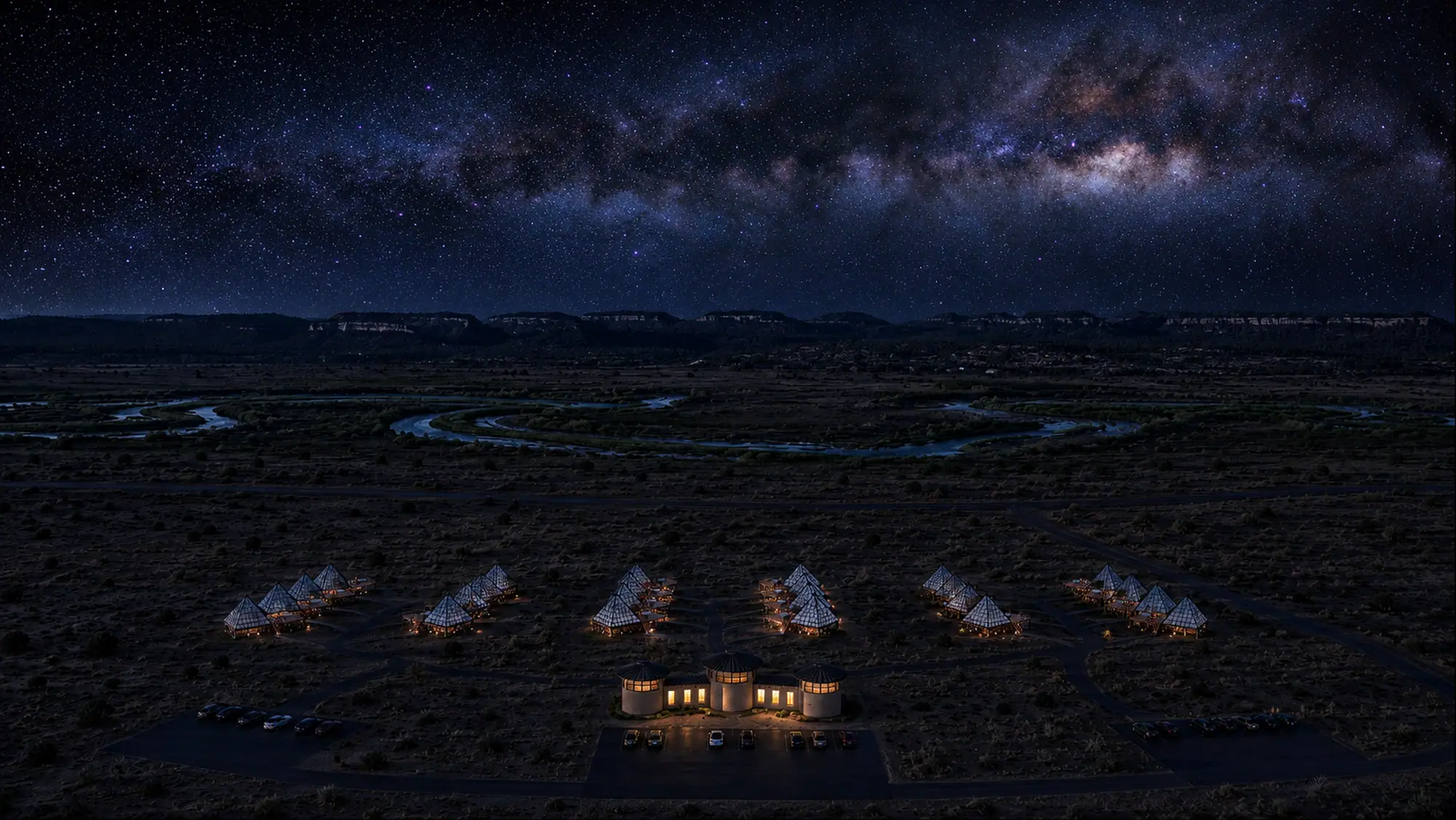
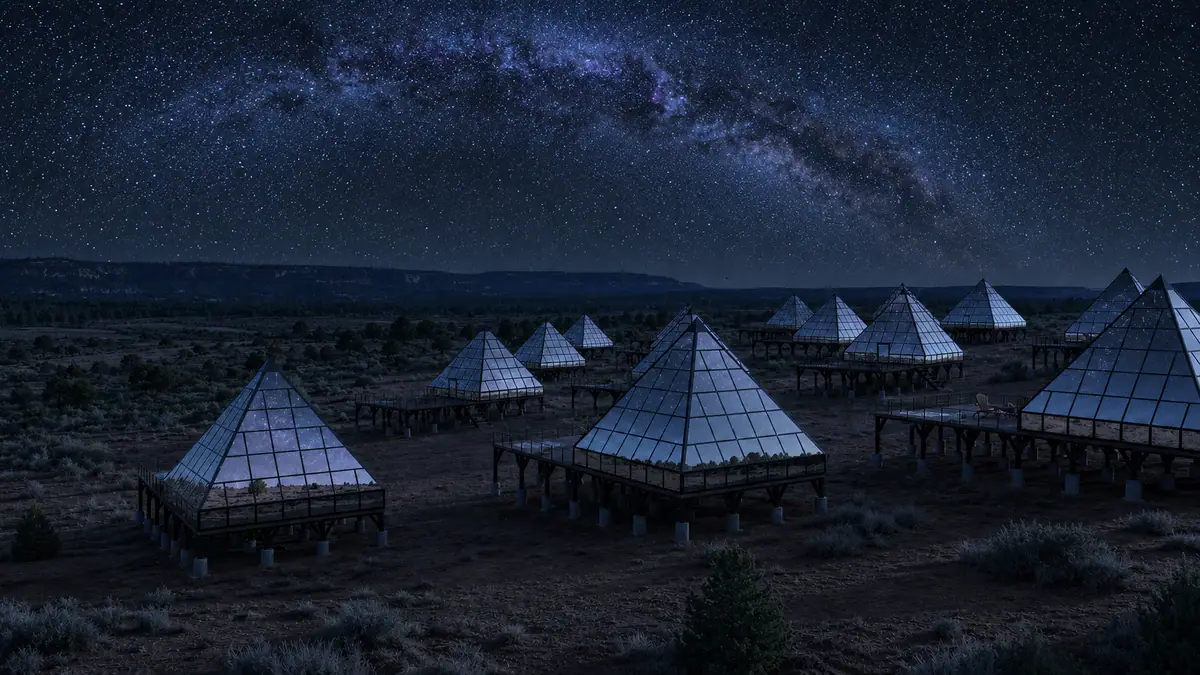
At Dark Light Collection, we are building glass pyramids on private land near Bryce Canyon, opening in 2027. Each private deck is designed with heated loungers, and a built-in projector turns the glass into a cinema on cloudy nights. The Bryce Canyon location has the full details.
Packing by Season
Pack for both the daily high and the daily low, because the temperature gap between afternoon warmth and nighttime chill runs more than 20 degrees in every month of the year.
- Spring (March to May): an insulated jacket for nights below freezing, a warm hat and gloves, and waterproof shoes in case March or April storms leave snow on the trails.
- Summer (June to August): a rain shell for afternoon storms, a warm layer for cool nights, and an early start so you finish exposed hikes before the storms build.
- Fall (September to November): comfortable summer layers for September, followed by winter gear from October as freezing nights and the chance of snowstorms return.
- Winter (December to February): heavy insulated layers for lows in the teens, warm boots, and room in the schedule for a storm day; see where to stay near Bryce Canyon if you want a base close to the park.
As your trip approaches, check the 7-day forecast on the park's weather page and compare it with the monthly averages above.
If you plan to stargaze at Bryce Canyon between October and May, dress warmly for nights below freezing and read the Bryce Canyon stargazing guide before you go.
Frequently asked questions
How cold does Bryce Canyon get at night?
From October to May, temperatures fall below freezing nearly every night. Average lows sit in the teens from December through February, and record lows reach well below zero.
Does it snow at Bryce Canyon?
Yes. December through February is the coldest and snowiest stretch of the year, and February averages the most snow of any month. Storms in March and April can also bring heavy snow, and snowstorms in October are not unusual.
What is the best month to visit Bryce Canyon for weather?
June and September offer the warmest days outside the July and August storm peak, though average lows drop to 45°F in June and 42°F in September. Pick December through February instead if you want snow and can handle cold nights.
When is thunderstorm season at Bryce Canyon?
Thunderstorm season peaks in July and August, bringing frequent, brief afternoon storms that carry heavy rain and lightning. Monsoon storms stay common into September, and lightning is possible year-round.
Watch the Bryce Sky From a Glass Pyramid
Get early access to our pyramids near Bryce Canyon and Glacier, with priority booking to all locations.
Reserve Your Pyramid Stay near Bryce Canyon →