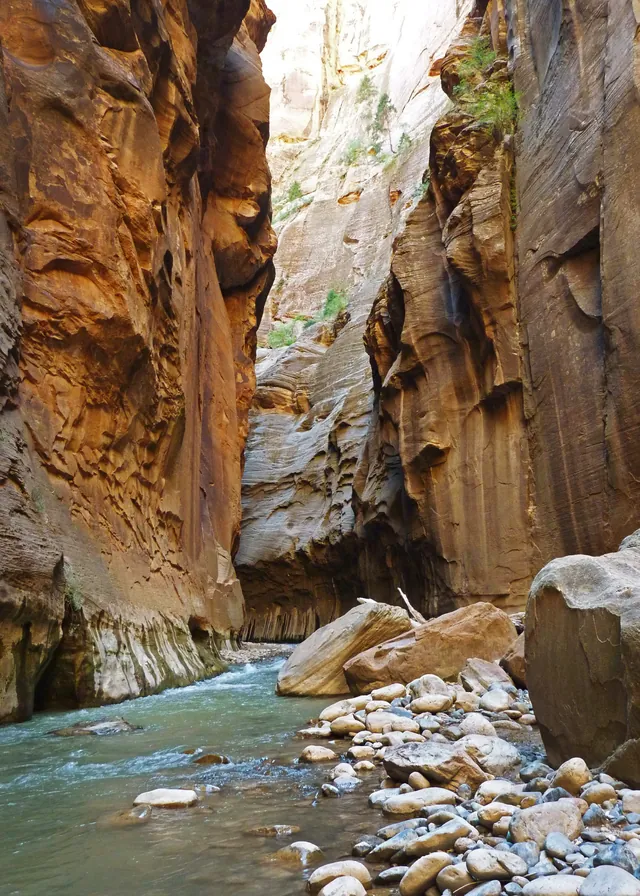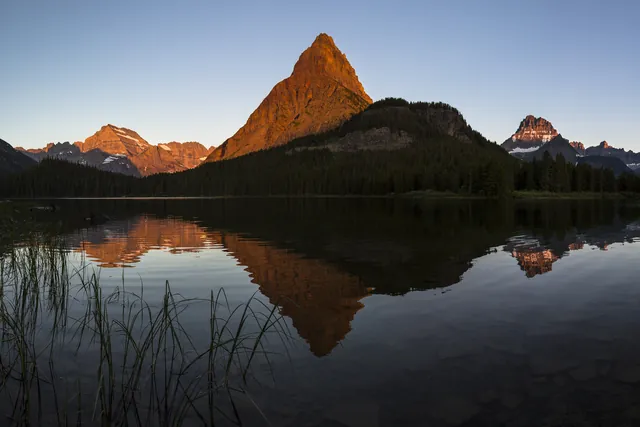

There is no single winner among the best national parks in Utah, so match the park to the trip you want to take. Zion delivers towering canyon walls and river hikes, while Bryce Canyon features the greatest concentration of hoodoos on Earth alongside certified dark skies. Arches preserves dense stone arches, Canyonlands showcases vast desert scale across four separate districts, and Capitol Reef reveals the hundred-mile Waterpocket Fold.
Which Utah National Park Fits Your Trip
Utah's five national parks each offer a distinct environment, meaning your ideal destination depends on the terrain, elevation, and activities you prefer. At Dark Light Collection, we matched each park's National Park Service description to a trip type, and the table below lines them up on the same axes.
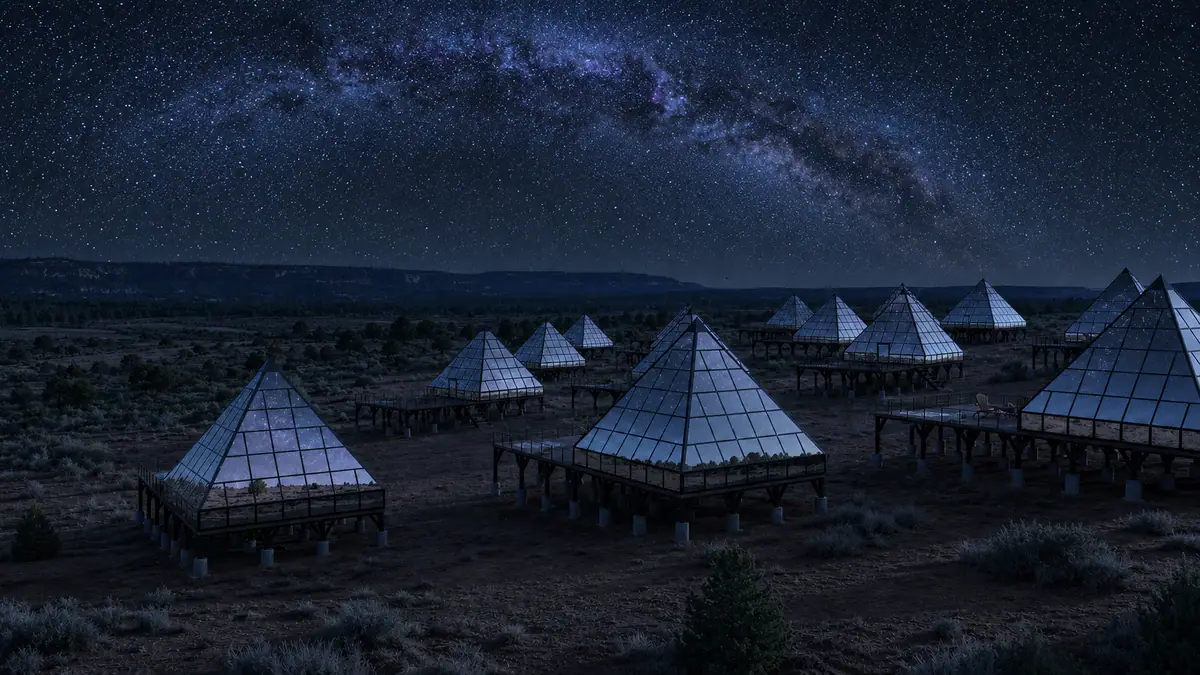
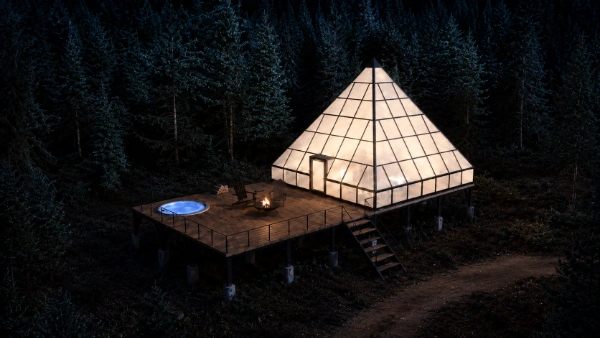
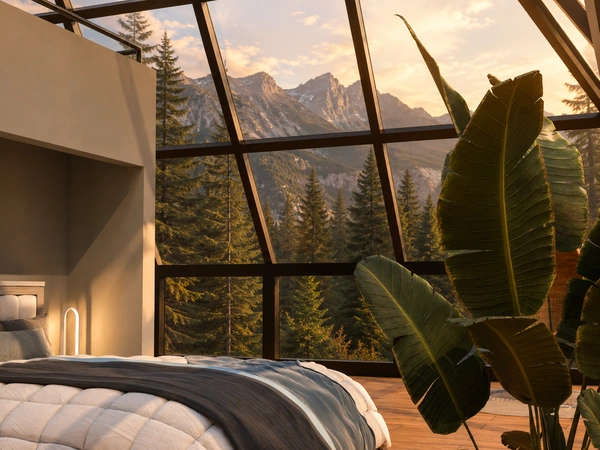
Reserve Your Utah Dark Sky Pyramid
Get early access to our pyramids near Bryce Canyon and Glacier, with priority booking to all locations.
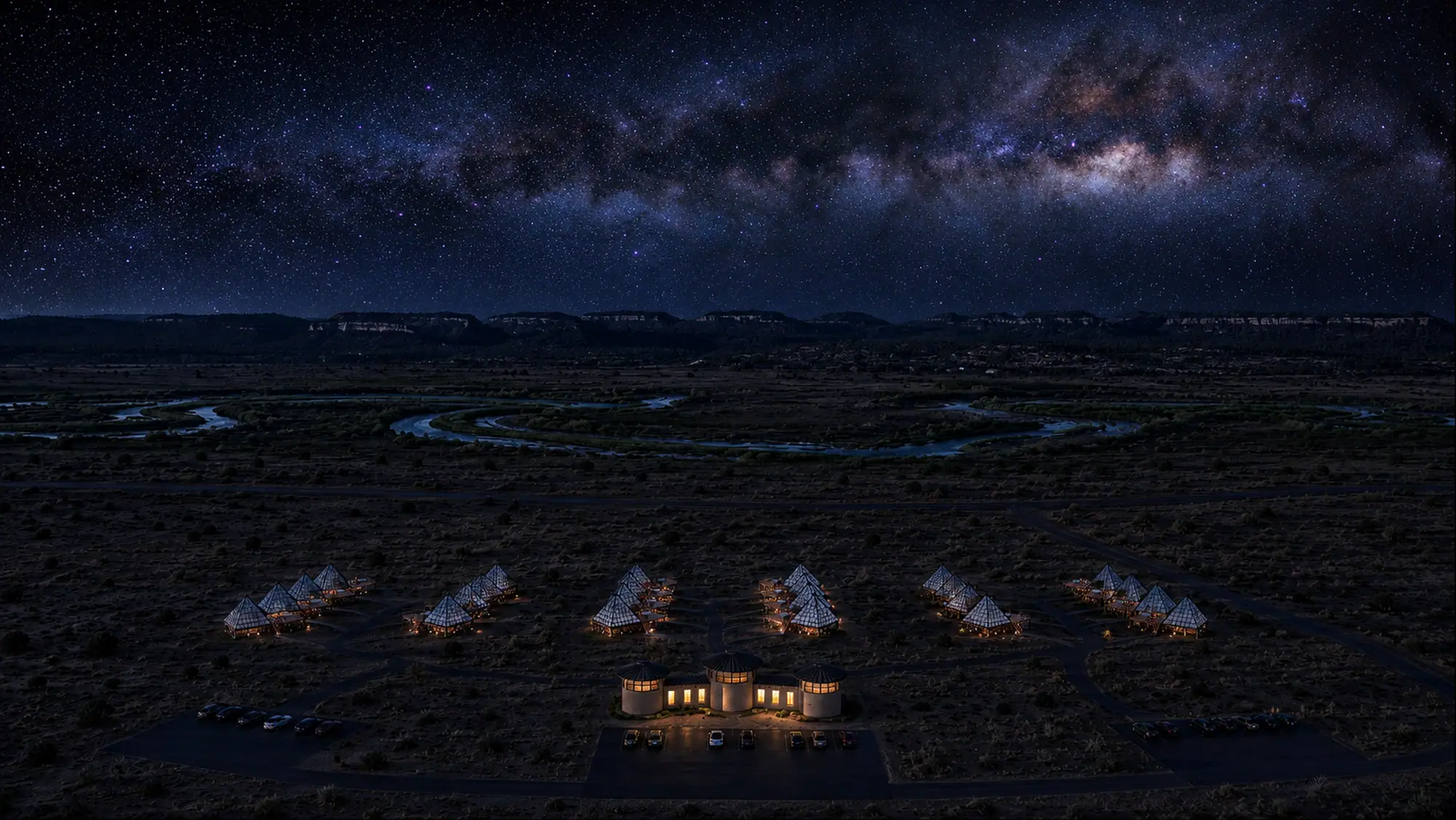
Concept renderings
Choose Zion National Park if you want deep canyon hiking, 2,000-foot Navajo Sandstone walls, and walking directly through the Virgin River. Head to Bryce Canyon National Park if you want to gaze across amphitheaters filled with rock spires and view the Milky Way from a high-altitude plateau.
Pick Arches National Park for quick access to more than 2,000 natural stone arches located just ten minutes outside Moab. Select Canyonlands National Park for raw desert canyons and four distinct districts carved by the Green and Colorado rivers. Choose Capitol Reef National Park for the Waterpocket Fold and its sheer cliffs.
The Five Utah National Parks Side by Side
| Park | Known for | Best for | Getting around | Night sky | Pairs well with |
|---|---|---|---|---|---|
| Bryce Canyon | Greatest concentration of hoodoos on Earth | Amphitheater views, high-elevation hikes, stargazing | 18-mile scenic drive, seasonal park shuttle | Certified International Dark Sky Park in 2019 | Zion, Capitol Reef |
| Zion | 2,000-foot sandstone cliffs and Virgin River | Canyon rim hikes, river wading, hanging gardens | Free Zion Canyon shuttle, scenic highway | International Dark Sky Park | Bryce Canyon |
| Arches | Greatest density of natural arches in the world | Stone arches, viewpoints, and short trails | Paved scenic drive, free shuttle to select destinations | Certified International Dark Sky Park in 2019 | Canyonlands Island in the Sky |
| Canyonlands | 337,598 acres of canyons, mesas, and river corridors | Vast desert overlooks, backcountry exploration | Four distinct districts separated by rivers, personal vehicle required | Member of the Colorado Plateau Dark Sky Cooperative | Arches |
| Capitol Reef | Waterpocket Fold monocline extending almost 100 miles | Geologic domes and remote canyons | Scenic drive | Certified International Dark Sky Park in 2015 | Bryce Canyon |
Bryce Canyon offers both an 18-mile scenic drive and a seasonal park shuttle to explore its amphitheater overlooks. In southeast Utah, Arches and Canyonlands share Moab as a gateway town, yet Canyonlands covers vast backcountry distances where no roads connect the four separate districts.
Zion National Park for Canyon Walls and River Hikes
Zion National Park centers on a dramatic river gorge bounded by 2,000-foot Navajo Sandstone cliffs in southwestern Utah. The park encompasses 232 square miles across Washington, Iron, and Kane counties.
The North Fork of the Virgin River continuously carves this corridor. Upstream from the Temple of Sinawava, the river cuts through Navajo Sandstone to form narrow slot canyons. Further south, water erodes softer Kayenta shale to undermine cliffs and widen the canyon floor. Uplift across the Colorado Plateau hoisted these formations thousands of feet above sea level, driving the river to slice downward through ancient sand dunes.
More than 1,000 plant species thrive within Zion, including tall cottonwoods along the riverbanks, pinyon and juniper on rocky slopes, and towering firs at cooler elevations. Hanging gardens fed by seeps along the canyon walls shelter scarlet monkeyflowers and golden columbines. The park protects 78 species of mammals and 291 species of birds, providing nesting terrain for threatened Mexican spotted owls and habitat for soaring California condors. A free shuttle serves Zion Canyon.
Bryce Canyon National Park for Hoodoos and Night Skies
Bryce Canyon National Park sits atop the Grand Staircase, and hoodoos here form the largest concentration found anywhere on Earth. Bryce Canyon features natural amphitheaters carved into the edge of a high plateau. Rain and melting snow erode the plateau rim at a rate of one to four feet every century.
Frost wedging drives this transformation. The park reaches 9,115 feet above sea level, and temperatures cross the freezing point on more than 170 nights each year. Water trickles into rock fractures, expands by 9 percent as it turns to ice, and shatters the limestone into fins, windows, and freestanding rock spires called hoodoos. Acidic precipitation also dissolves the calcium carbonate cementing the rock, sculpting strange, tapered shapes.
An 18-mile scenic drive extends north to south across the park, leading from popular overlooks like Sunrise Point, Sunset Point, Inspiration Point, and Bryce Point down to Rainbow Point. Hikers can descend straight into the hoodoo maze via the 2.9-mile Queen's and Navajo Combination Loop. For directions, see where Bryce Canyon is. The high elevation, clean air and remote setting give the park some of the darkest skies in the country. Certified as an International Dark Sky Park in 2019, Bryce Canyon offers views of the Milky Way, Earth's penumbra at dusk, and the Andromeda Galaxy visible 2.2 million light-years away. The park's annual Astronomy Festival ran June 11 to 13 in 2026, and each year's dates are posted on the Bryce Canyon night skies page. We are designing glass pyramids on private land about 15 minutes from Bryce Canyon National Park, with Zion about 1 hour away. Founding guests receive first choice of pyramid size, view, and position ahead of our 2027 opening.
Arches National Park for Natural Arches
Arches National Park preserves the greatest density of natural arches in the world, with more than 2,000 documented stone spans across its high desert terrain. Arches sits in eastern Utah, ten minutes north of Moab. Millions of years of deposition and erosion shaped its massive fins, soaring pinnacles, and giant balanced rocks.
The high desert environment brings wide temperature swings, sparse precipitation, and distinctive plant communities adapted to arid rock. Biological soil crusts, desert lichens, and prickly pear cactus stabilize and populate the terrain. Visitors should plan to spend at least a few hours exploring the paved scenic drive and venturing out on short trails. Pathways lead to celebrated formations throughout the Windows Section, Balanced Rock, and delicate sandstone spans.
Darkness settles quickly across the open slickrock once the sun dips below the canyon rims. Arches gained certification as an International Dark Sky Park in 2019, shielding its desert horizons from heavy urban light pollution. On clear moonless nights, you can watch constellations rise over the sandstone monuments from spots like Panorama Point, the Garden of Eden Viewpoint, and Balanced Rock Picnic Area.
Canyonlands National Park for Desert Scale
Canyonlands National Park preserves 337,598 acres of colorful canyons, mesas, and desert wilderness carved by the Colorado and Green rivers. The park is divided into four distinct districts: Island in the Sky, The Needles, The Maze, and The Rivers. Although these areas appear close on a map, no roads directly link the districts.
Traveling between districts requires two to six hours by car because crossing the massive river chasms demands navigating long detours on exterior highways. Most visitors find it impractical to visit more than one district in a single trip. Island in the Sky is the most accessible district, offering expansive views from overlooks along the paved scenic drive. Paved scenic drives and overlooks provide wide panoramic vistas across the river basins, alongside access to hiking trails and the rugged White Rim Road.
The Needles district offers a more primitive backcountry experience with banded sandstone spires and four-wheel-drive tracks, while The Maze demands self-reliance in remote backcountry wilderness. The Horseshoe Canyon Unit sits northwest of The Maze, protecting ancient American Indian rock marking panels. Moonless nights at Canyonlands are dark enough to surprise many visitors. The park belongs to the Colorado Plateau Dark Sky Cooperative, working collaboratively with neighboring communities, tribes, and agencies to minimize outdoor lighting and protect natural darkness.
Capitol Reef National Park for the Waterpocket Fold
Capitol Reef National Park protects the Waterpocket Fold, a nearly 100-mile-long geologic monocline in south-central Utah. This warp in the Earth's crust formed 50 to 70 million years ago. Movement along an ancient fault hoisted the layers on the west side more than 7,000 feet above those on the east.
Subsequent erosion over millions of years exposed a colorful cross-section of 19 sedimentary rock formations recording almost 200 million years of geologic history. The park takes its name from white Navajo Sandstone domes resembling the United States Capitol and rocky cliff barriers that blocked early travel like an ocean reef. Water remains the primary architect here. Infrequent rains carve small depressions called waterpockets into sandstone layers and trigger flash floods that channel sediment through twisting canyons.
In the northern district, Cathedral Valley features free-standing Entrada Sandstone monoliths and temples, along with volcanic dikes and the Gypsum Sinkhole. Near the Fremont River, the green oasis of Fruita provides riparian shade below the cliffs. Designated an International Dark Sky Park in 2015, Capitol Reef offers near-pristine conditions for observing the cosmos. Heritage Starfest is held every year, usually in September or early October.
Pairing Utah Parks on One Trip
Planning a multi-park Utah itinerary requires grouping parks by geographic proximity to avoid spending entire vacation days on the road. Southern Utah naturally splits into two main travel corridors that travelers can explore independently or link into a longer road trip.
The southwest corridor combines Zion and Bryce Canyon, which sit about two hours apart by road. See driving from Zion to Bryce Canyon for the route. If you are debating which one to prioritize for your vacation style, our guide on Bryce Canyon vs Zion breaks down trail difficulty, scenic viewpoints, and transit requirements in detail. The eastern corridor pairs Arches with Canyonlands, as both parks flank the adventure base of Moab. You can easily hike among sandstone arches in the morning and take in the panoramic canyon drop-offs from Island in the Sky in the afternoon.
With about six nights, a Bryce Canyon itinerary with Zion and Capitol Reef links three parks in one southern Utah route. When combining parks, factor in elevation differences and travel times. Bryce Canyon sits along a high plateau, while Zion encompasses canyon country below.
Who Should Choose Differently
The best pick changes with mobility and time. Travelers who want quick roadside viewpoints without much walking should choose Bryce Canyon, Arches, or the Island in the Sky district of Canyonlands.
Bryce Canyon lets you drive straight to rim overlooks like Sunset Point and Inspiration Point. Zion's best-known hikes ask more of you, because they climb steep canyon terrain or wade through the Virgin River. Visitors with only one or two days should pick a single district at Canyonlands, because no roads link the four districts and the drives between them take two to six hours. Arches suits compact sightseeing near Moab, and Bryce Canyon's main amphitheater highlights fit in one to three hours.
Winter dates could flip our pick. Bryce Canyon's rim sits at up to 9,115 feet and crosses the freezing point on more than 170 nights a year, so winter travelers may prefer Zion's lower canyon floor. Zion National Park is open all year.
Planning Your Utah Park Trip
If you plan to visit three or more parks, pick up an America the Beautiful pass so one pass covers entry at each of them.
To extend the trip beyond Utah, browse the full list of national parks. You can also explore our curated recommendations for experiences and adventures across the American West. Match your basecamp to the terrain you value most. For a first trip with limited days, pair Zion's soaring cliffs with Bryce Canyon's hoodoo amphitheaters. The two sit about two hours apart and look nothing alike.
If your goal is photographing natural arches and red rock spires, base yourself near Moab for Arches and Canyonlands. When geology matters most, devote your time to Capitol Reef and the Waterpocket Fold. Stargazing should play a central role in your nightly schedule. Zion, Bryce Canyon, Arches, and Capitol Reef all hold International Dark Sky Park status, and Canyonlands belongs to the Colorado Plateau Dark Sky Cooperative. Book accommodations with direct night sky access so you can watch constellations unfold without long post-sunset drives. Our glass pyramids on private land about 15 minutes from Bryce Canyon National Park give founding guests first choice of pyramid size, view and position. A founding deposit through Reserve Your Pyramid claims that first choice, and Zion is about one hour away for a day trip. Pick the pairing that fits your dates, then check current conditions on the National Park Service page for Zion, Bryce Canyon, Arches, Canyonlands or Capitol Reef before you book your nights.
Zion, Bryce Canyon, Arches, and Capitol Reef hold International Dark Sky Park status, giving Utah some of the darkest skies in the contiguous United States. Our upcoming glass pyramids near Bryce Canyon let you gaze up at the Milky Way directly from your bed through UV-blocking, climate-controlled glass.
Frequently asked questions
What are the top five national parks in Utah?
The top five national parks in Utah are Zion, Bryce Canyon, Arches, Canyonlands, and Capitol Reef. They protect distinct red-rock landscapes ranging from 2,000-foot canyon walls to the greatest concentration of hoodoos on Earth.
Is Zion or Bryce Canyon better?
Neither park is universally better, because the right choice depends on your hiking style and preferences. Zion features massive river canyon walls, hanging gardens, and water hikes, whereas Bryce Canyon offers high-elevation hoodoo amphitheaters and certified dark skies. Read our detailed comparison of Bryce Canyon vs Zion to choose the right fit.
Which Utah national park has the best night skies?
Zion, Bryce Canyon, Arches, and Capitol Reef are all International Dark Sky Parks, and Bryce Canyon's high elevation adds clean, dry air and good visibility. On clear moonless nights at Bryce Canyon, stargazers can view thousands of stars, the Milky Way, and the Andromeda Galaxy.
Which Utah national park is best for a first trip?
Zion and Bryce Canyon are the best options for a first trip because they sit only about two hours apart by road and offer dramatic visual contrast. Zion provides towering canyon walls along the Virgin River, while Bryce Canyon features overlooks across its hoodoo amphitheater.
Reserve Your Utah Dark Sky Pyramid
Get early access to our pyramids near Bryce Canyon and Glacier, with priority booking to all locations.
Reserve Your Pyramid Experiences & adventures →