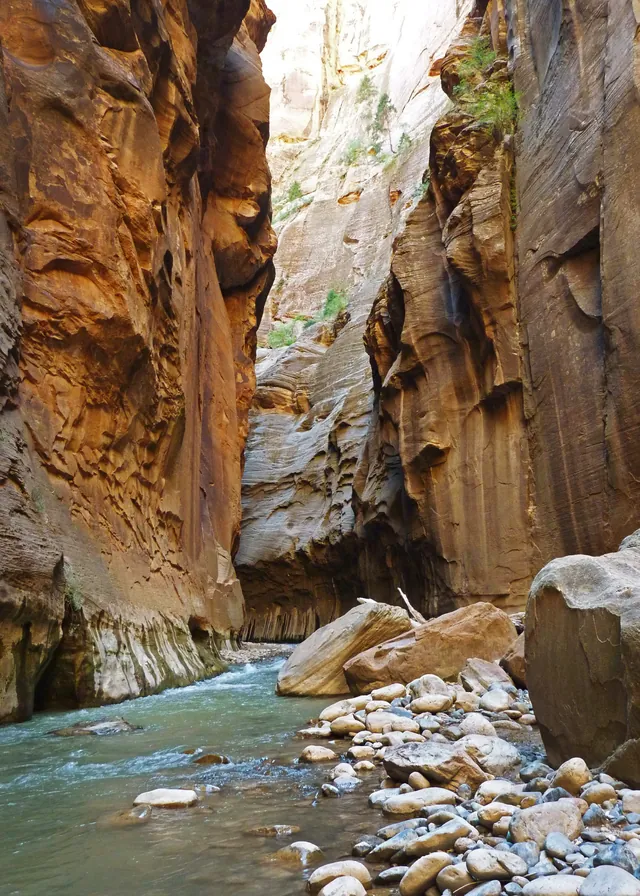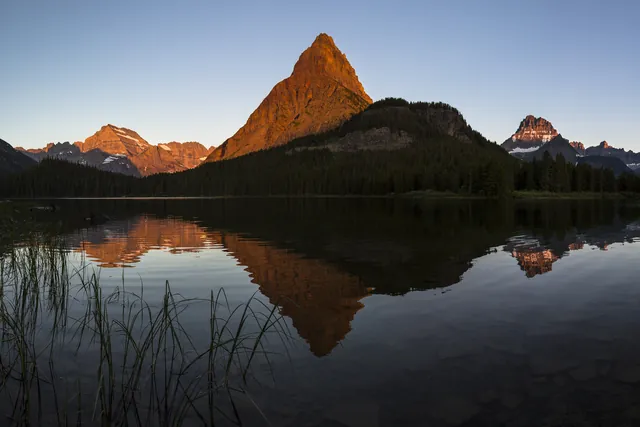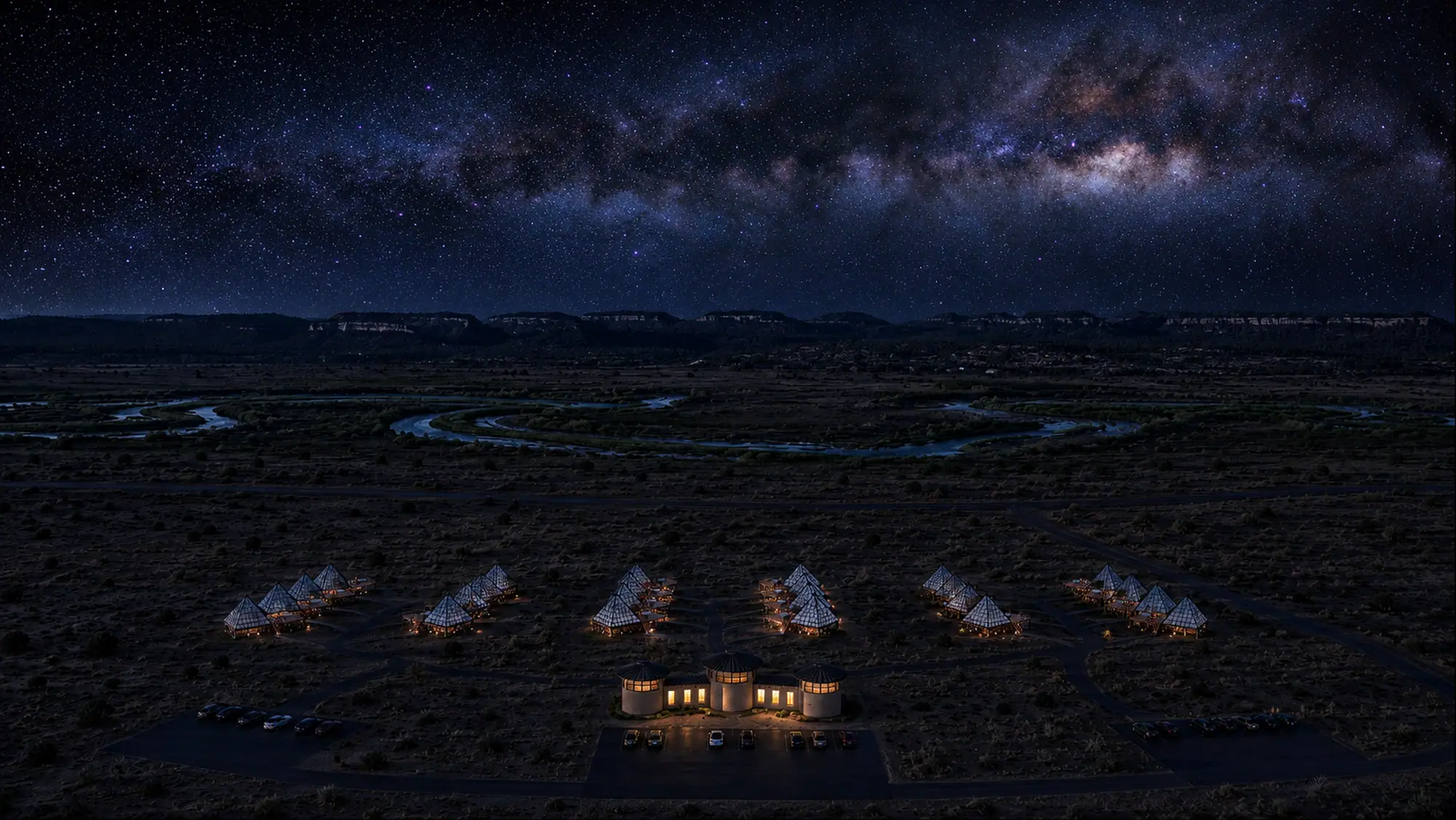

Glacier National Park suits travelers who prioritize extended backpacking trails, wildlife viewing along high passes, and driving Going-to-the-Sun Road. Banff National Park fits visitors seeking mineral hot springs, designated paved bike corridors, and historic sites. Travelers can connect Banff with Lake Louise using Roam public transit, though routes and seasonal services vary.
Which Park Fits Your Trip
Choose Glacier National Park if your priority is exploring alpine wilderness along high mountain passes, driving Going-to-the-Sun Road, and hiking through glacial terrain. Glacier features views from Logan Pass, where mountain goats and bighorn sheep are consistently seen. It delivers a road-connected mountain corridor where travelers stay in roadside lodges or campgrounds.
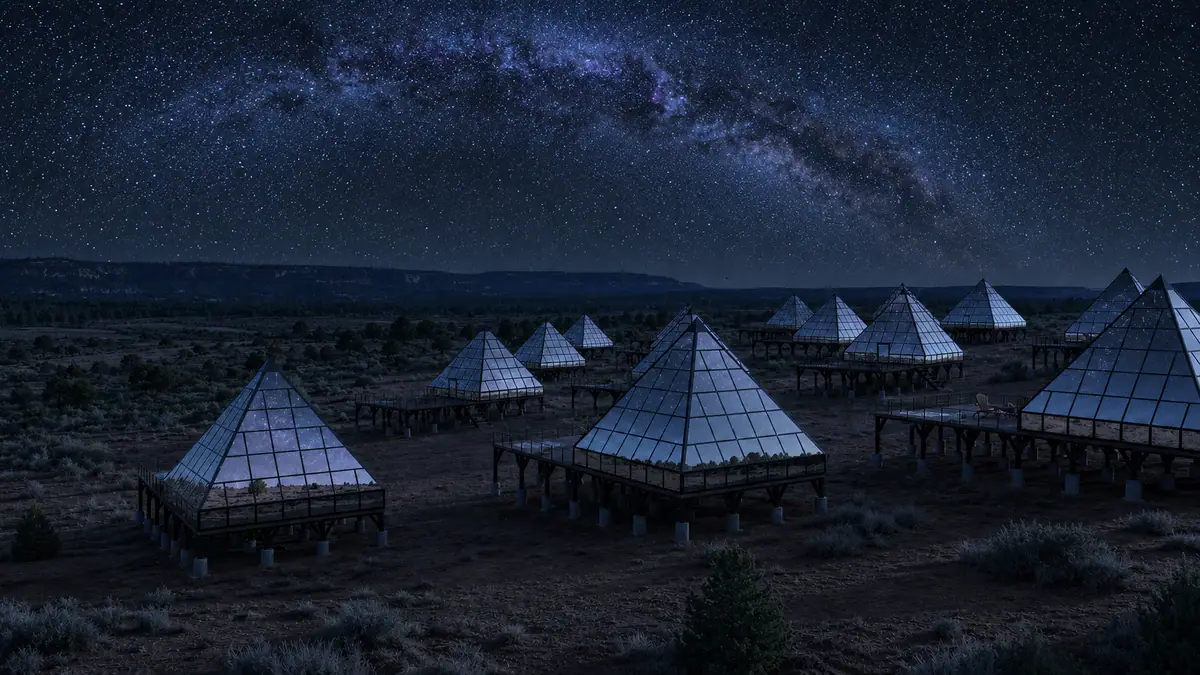
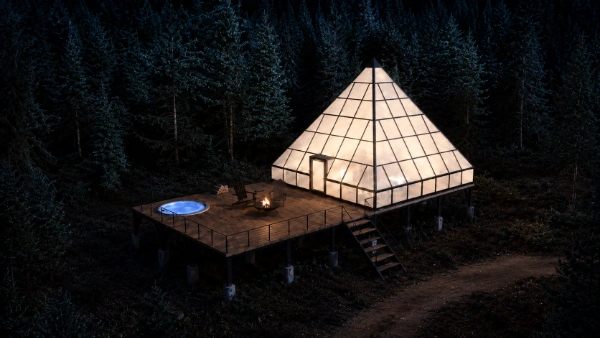
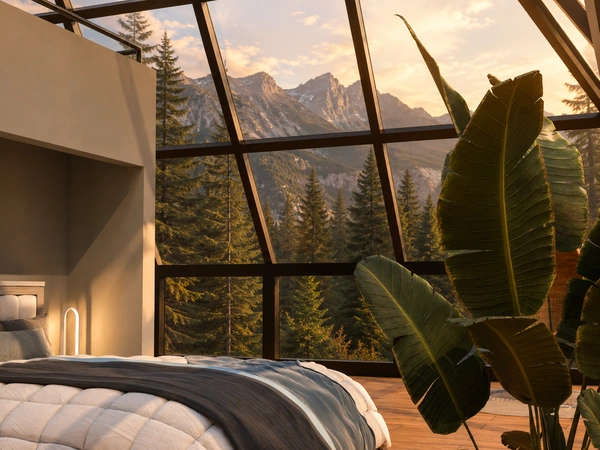
Stay Near Glacier's West Entrance
Get early access to our pyramids near Bryce Canyon and Glacier, with priority booking to all locations.
Concept renderings
Choose Banff National Park if you want a mountain destination featuring town amenities, soaking at Banff Upper Hot Springs, and scenic corridors like the Icefields Parkway. Banff provides structured valley exploration with public transit connections, historic landmarks, and designated routes for bicycling and canoeing. For a late-June trip focused on lower-elevation walks around town, Banff may fit better while alpine passes remain snowbound across both parks.
Glacier vs Banff Compared
Both parks preserve mountain landscapes, but their road systems, visitor transit, and surrounding infrastructure create very different daily experiences.
| Feature | Glacier National Park | Banff National Park |
|---|---|---|
| Trail network | Over 700 miles of maintained trails | Over 1,600 kilometres (1,000 miles) of maintained trails |
| Signature scenic drive | Going-to-the-Sun Road (50 miles) | Icefields Parkway (230 km) and Bow Valley Parkway |
| Water recreation | Boat tours at Many Glacier and Two Medicine; boating | Canoeing in marshes at Vermilion Lakes |
| Evening plans | Summer food and lodging along Going-to-the-Sun Road | Banff town amenities and hot springs |
| Public transit and shuttles | Park shuttle routes and hiker services | Roam public transit |
Glacier operates around a central mountain transit corridor that climbs through alpine passes, linking its west and east entrances. Banff functions as an expansive network connected by parkways and public transit routes centered on a mountain town.
Glacier Experiences and Alpine Corridors
Glacier National Park centers its visitor experience along Going-to-the-Sun Road, a scenic mountain corridor that traverses 50 miles across the Continental Divide. Driving the entire route without stopping takes approximately 2 hours. The highway reaches its crest at Logan Pass at an elevation of 6,646 feet, where the visitor center parking lot routinely fills by sunrise during summer.
Driving the alpine section requires careful vehicle planning due to strict park regulations. Vehicles and combinations longer than 21 feet or wider than 8 feet are prohibited between Avalanche Creek and Rising Sun.
Vehicles over 10 feet tall may have difficulty west of Logan Pass because of rock overhangs. The National Park Service (NPS) sets the speed limit at 40 mph on lower elevations and 25 mph on alpine grades.
Jackson Glacier Overlook on the east side between Logan Pass and St. Mary provides the best opportunity to observe a glacier directly from the road. Grizzly bears are often seen near Two Dog Flats.
Visitor services along the highway include summer food and lodging at Rising Sun, Lake McDonald Lodge, and Apgar Village. An electric vehicle (EV) charging station is located across from the Lake McDonald Lodge camp store.
Banff Experiences and Valley Landscapes
Banff National Park features mountain landscapes, lakes, historic landmarks, and scenic drives. Visitors can start the morning soaking in the warm mineral waters of Banff Upper Hot Springs or exploring the birthplace of Canada's national parks at Cave and Basin National Historic Site. An afternoon stroll through the Cascades of Time Garden leads directly toward the rushing waters of Bow Falls along the river trail, all accessible by public transit, foot, or bicycle.
Active afternoons around the town valley feature canoeing through the wildlife-rich wetlands of Vermilion Lakes, climbing the switchback trail up Tunnel Mountain for sweeping town views, or cycling along the paved Banff Legacy Trail. Farther along the Lake Minnewanka Loop, travelers can picnic along the reservoir shoreline, hike to Stewart Canyon, or explore coal mining history on the Lower Bankhead Trail.
Extensive driving routes showcase the park's glaciated peaks and turquoise waters. The Bow Valley Parkway winds past the tiered pinnacles of Castle Mountain, while the 230 km Icefields Parkway (Highway 93N) leads from Lake Louise toward Jasper. At Lake Louise, visitors stroll along the shoreline, hike to historic summer teahouses beneath glaciers, or visit Moraine Lake.
Choosing for Short Walks and Hiking Trails
Glacier features over 700 miles of trails for short hikes and extended backpacking trips. Self-guided walks with interpretive signs include Trail of the Cedars, Running Eagle Falls, and Swiftcurrent Nature Trail. Trail of the Cedars and Running Eagle Falls provide wheelchair accessible paths, while guided hikes are offered by park rangers and commercial guide services.
Banff offers over 1,600 kilometres (1,000 miles) of maintained trails, with prime hiking season running from July through mid-September. Many high passes remain snowbound into late June and may have avalanche hazards.
Early-season walks are better focused on lower elevations or drier south-facing slopes around Banff. Most alpine passes are typically snow-free by mid-July, but current trail conditions still determine the route.
Seasonal Access and Changing Mountain Conditions
Seasonal weather dictates road operations and trail accessibility in both parks, establishing a tight summer window for high-elevation travel. In Glacier, the lower elevation sections of Going-to-the-Sun Road stay open year-round, but clearing heavy winter snow from the alpine reaches over Logan Pass represents a major seasonal challenge. The alpine road has no fixed opening date.
It has typically been fully open by early July, with weather-related closures possible at any point, as detailed in Going-to-the-Sun Road general information. Banff experiences a similar high-altitude seasonal calendar where alpine hiking reaches its peak between July and mid-September. In the winter, Lake Louise offers activities on skates, skis, and snowshoes.
Along Going-to-the-Sun Road, food and lodging at Rising Sun, Lake McDonald Lodge, and Apgar Village operate during the summer months.
Planning Travel Time and Transit Logistics
Navigating Glacier and Banff requires planning ahead due to heavy summer visitor traffic and crowded parking areas. In Banff, Roam Route 8X connects the town with the Lake Louise lakeshore daily and year-round, though lake connections to Moraine Lake are seasonal.
Parks Canada summer lake shuttles ended on October 12, 2026. Current fall and winter tickets between Banff and Lake Louise do not include Moraine Lake. A Lake Louise booking must not be treated as access to Moraine Lake.
Travelers planning visits to Banff Upper Hot Springs must also note that admission is purchased in person on a first-come, first-served basis with no online reservations. A soak cannot be scheduled as a fixed reserved slot.
Families and Varied Walking Abilities
Trail surfaces and physical demands vary considerably across different zones. Running Eagle Falls also provides a wheelchair accessible route.
Banff offers family-friendly lakeside outings along the Lake Minnewanka reservoir, with picnic grounds and a shoreline trail to Stewart Canyon. Visitors can bike along the paved Banff Legacy Trail or stroll through the flower-filled Cascades of Time Garden.
On the Johnston Canyon Trail, the uneven paved path and narrow bridges with railings prompted Parks Canada to advise that strollers are not recommended. The standard Johnston Canyon trail from the parking lot to Lower and Upper Falls closed temporarily beginning October 13, 2026.
Check the linked closure bulletin before choosing that walk. Choose a route suited to the least experienced member of your group.
Evenings and Where to Base the Trip
Deciding where to spend your evenings influences your daily rhythm, whether you prefer lodging inside park boundaries or private retreats near the gates. Inside Banff, visitors can camp at Two Jack Main Campground or relax in historic hot mineral waters. Along Going-to-the-Sun Road, the five road-accessible campgrounds are Apgar, Sprague Creek, Avalanche, Rising Sun, and St. Mary.
At Dark Light Collection, we are building glass pyramids on private land within 15 minutes of Glacier National Park's West Entrance, opening in 2027. Each pyramid features heated glass designed for snow-melt, smart privacy glass that tints at a tap, and a personal deck telescope for sky viewing.
Our concierge coordinates private guided astronomy sessions, golden-hour photography tours, and fly-fishing trips. Founding guests enjoy priority selection of pyramid size, view, and position, along with locked-in introductory pricing. Founding reservation options are accessible through our reservation portal and detailed on our Glacier location page.
Our Takeaway on Glacier vs Banff
Select Glacier National Park if you want alpine driving along Going-to-the-Sun Road, backcountry hiking, and glacier viewpoints from Jackson Glacier Overlook. Choose Banff National Park if you want glacial parkways like the Icefields Parkway, historic mineral hot springs, and canoeing marshlands at Vermilion Lakes. Travelers can connect Banff with Lake Louise using Roam public transit, where routes and seasonal services vary.
For a late-June trip focused on lower-elevation walks around town, Banff may fit better while alpine passes remain snowbound. Check real-time road conditions on the Glacier current conditions. Review official suggested itineraries before booking your trip.
Frequently asked questions
Which is better for a first visit, Glacier or Banff?
Glacier suits visitors who want a mountain driving and hiking experience centered on Going-to-the-Sun Road and backcountry trails. Banff suits first-time visitors seeking town amenities, mineral hot springs, and Roam public transit connecting Banff with Lake Louise, where routes and seasonal services vary.
Is the usual Johnston Canyon waterfall walk open?
The standard Johnston Canyon trail from the parking lot to Lower and Upper Falls closed temporarily beginning October 13, 2026. Check the closure bulletin before choosing that walk.
Which park suits shorter walks?
Both parks provide short walks, including wheelchair accessible routes like Glacier's Trail of the Cedars and Running Eagle Falls. Banff features short walking routes along Bow Falls, Fenland Trail, and the shoreline of Lake Minnewanka.
Does the season change which park to choose?
Seasonal snow clearing heavily dictates high-elevation access in both parks. Check Glacier conditions and Banff hiking conditions for the particular road and walk you want.
What should I check before booking?
Verify current road, trail, and campground status on the Glacier current conditions. Check vehicle size limits if you plan to drive the alpine portion of Going-to-the-Sun Road.
Stay Near Glacier's West Entrance
Get early access to our pyramids near Bryce Canyon and Glacier, with priority booking to all locations.
Reserve Your Pyramid Experiences & adventures →