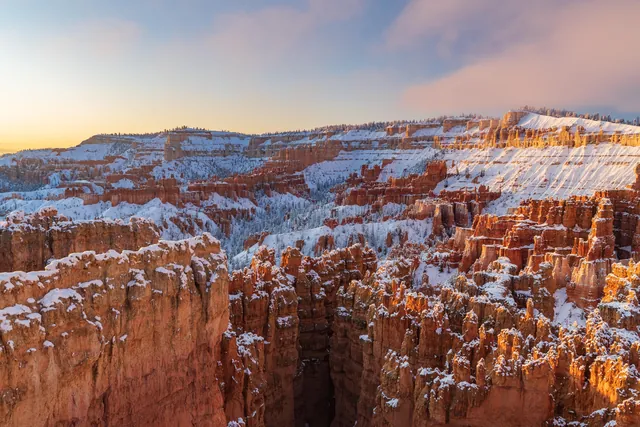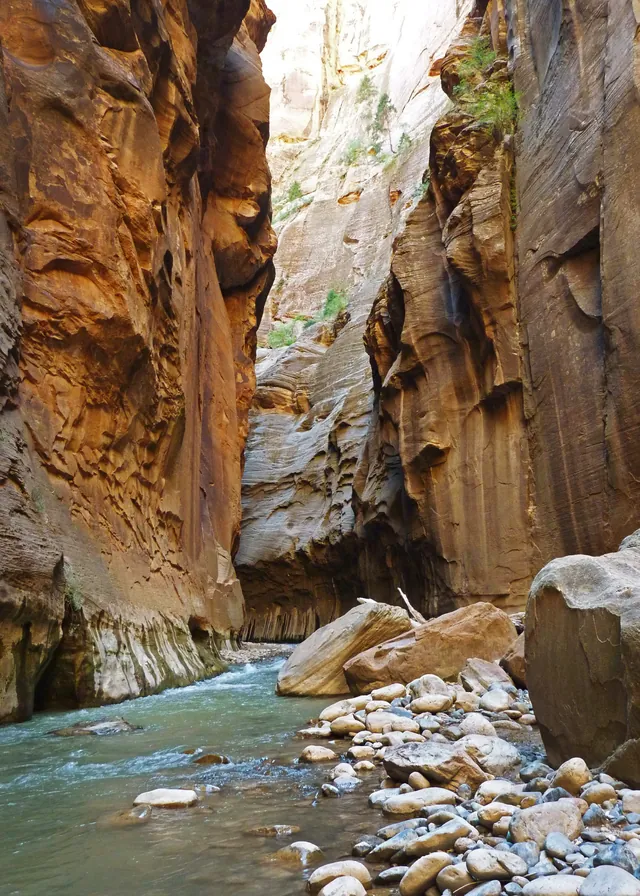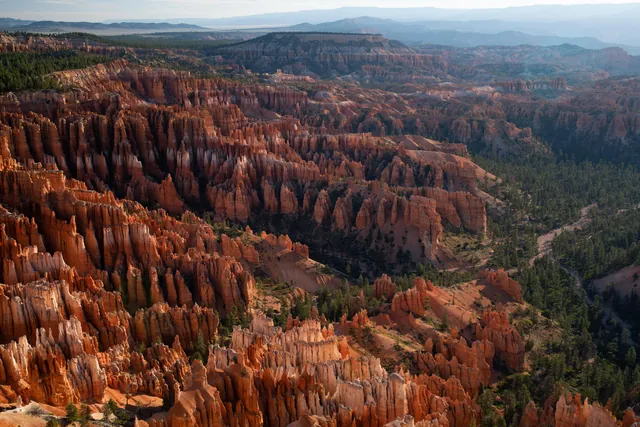

Driving from Las Vegas to Bryce Canyon takes roughly 4.2 to 4.6 hours by our planning estimate before stops. At Dark Light Collection, we are building glass pyramids about 15 minutes from Bryce Canyon National Park, so this is the drive that ends at our door.
Drive Duration from Las Vegas to Bryce Canyon
The drive from Las Vegas to Bryce Canyon covers about 270 miles according to official National Park Service (NPS) directions, requiring roughly 4.2 to 4.6 hours of driving before stops on the primary route through Zion National Park. We modeled this estimate from park distances: 170 miles from Las Vegas to Zion at an assumed 60 to 70 mph, plus the 87 miles through Zion to Bryce Canyon, which park figures put at about 1.8 hours. Those two legs add up to 257 miles. The estimate covers driving time only. It leaves out personal stops for fuel and food, scenic roadside viewpoints, seasonal traffic delays, and adverse mountain weather.
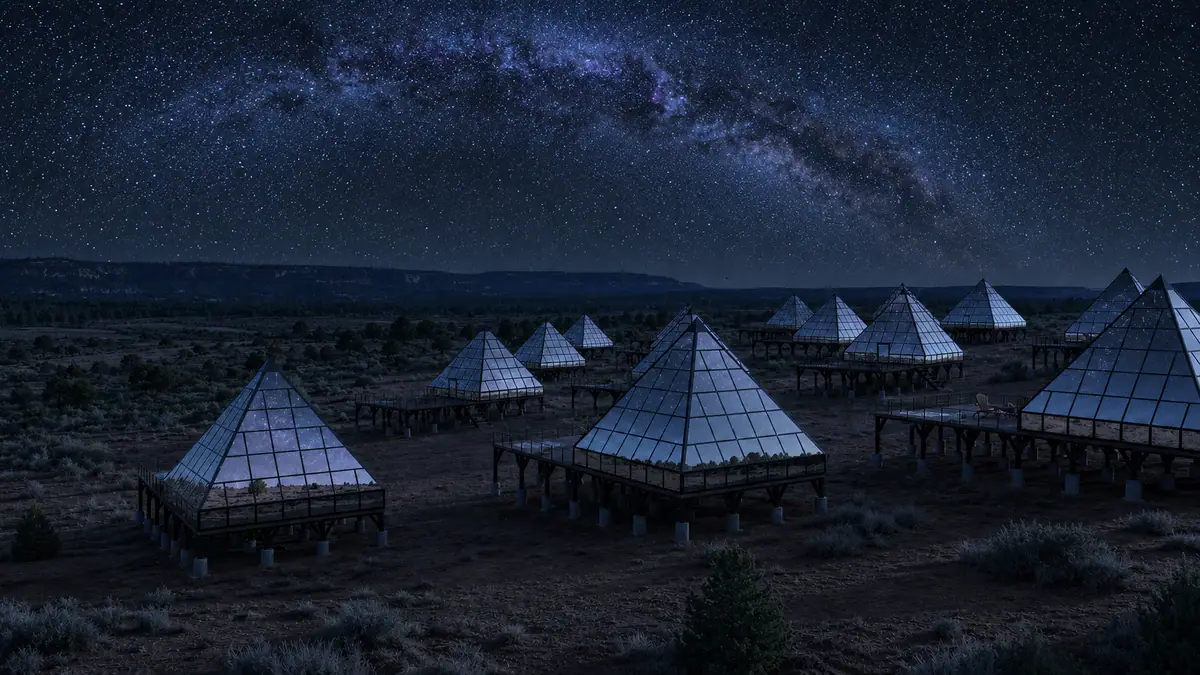
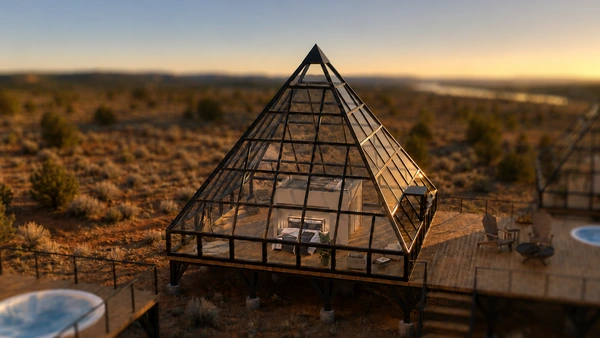
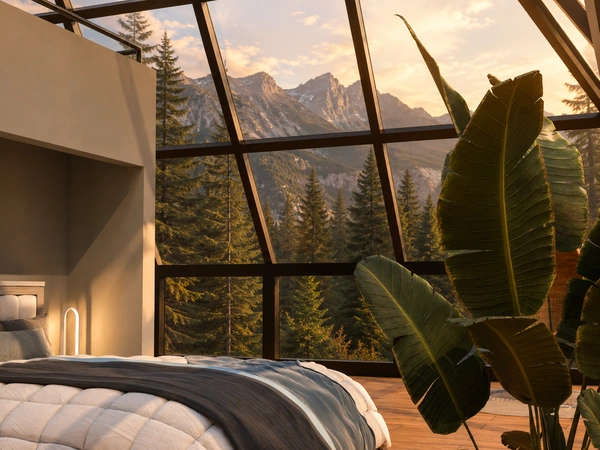
Reserve Your Pyramid Near Bryce Canyon
Get early access to our pyramids near Bryce Canyon and Glacier, with priority booking to all locations.
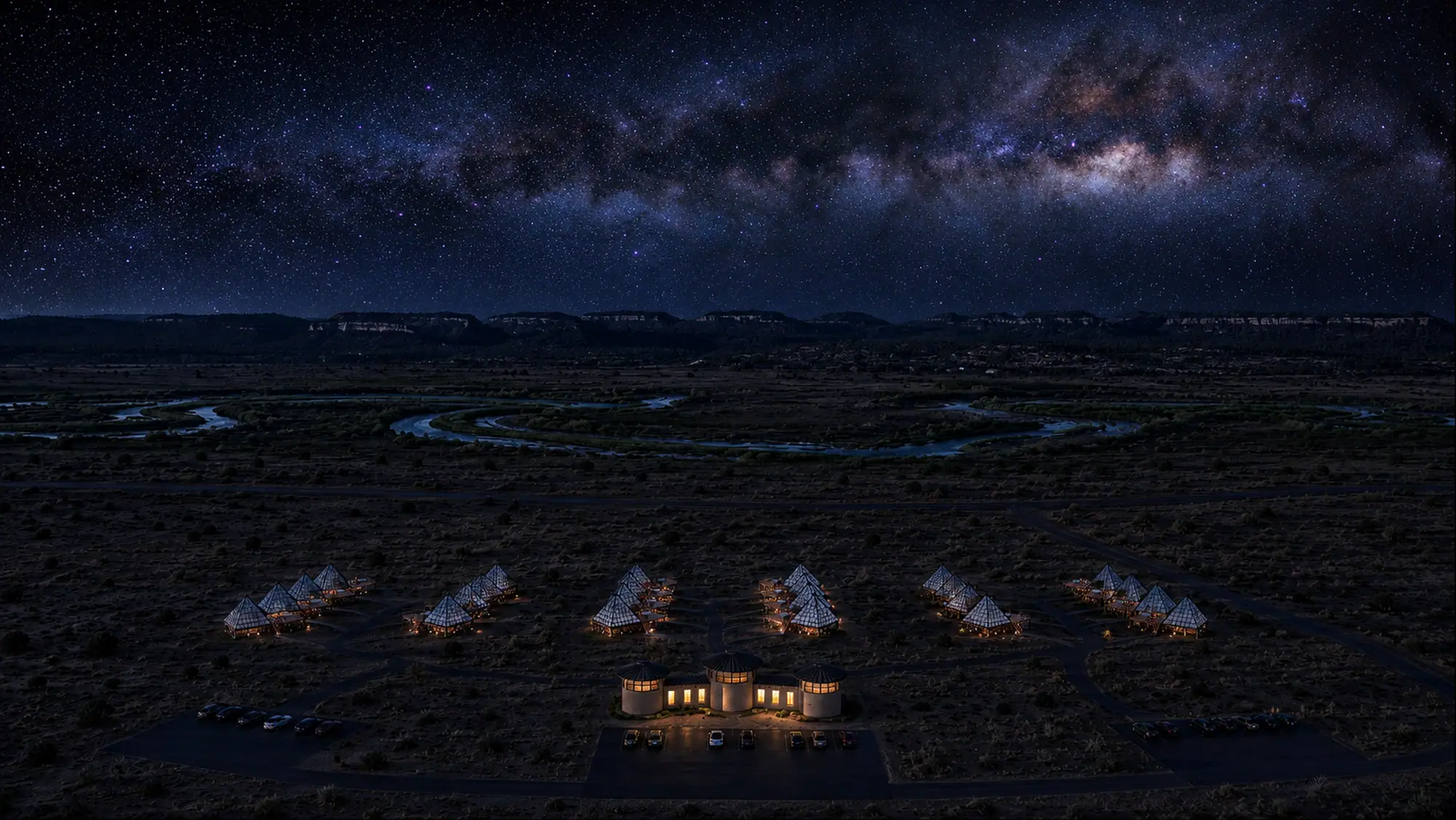
Concept renderings
Three routes run from Las Vegas to Bryce Canyon, and your vehicle's size decides which one you can take.
| Route | Roads | Best for |
|---|---|---|
| Through Zion | I-15 exit 16, UT-9, US-89, UT-12, UT-63 | Cars and small RVs that want to see Zion |
| Via Cedar City | I-15 exit 59, UT-14, US-89, UT-12, UT-63 | Very scenic in summer and early fall |
| Via UT-20 | I-15 exit 95, UT-20, US-89, UT-12, UT-63 | Vehicles too large for the Zion-Mt. Carmel Highway |
Las Vegas to Bryce Canyon Through Zion National Park
The route through Zion leaves I-15 at exit 16 in southern Utah and follows UT-9 east through Zion National Park.
- Take I-15 north to exit 16.
- Follow UT-9 east through Zion to US-89.
- Go north on US-89 to UT-12.
- Go east on UT-12, then south on UT-63 to the park.
Driving UT-9 through the park requires paying Zion's entrance fee or presenting a valid federal recreation pass. Travelers planning visits across multiple federal fee areas can review the America the Beautiful pass guide to verify coverage for private vehicles.
Speeds along the Zion-Mt. Carmel Highway usually stay under 30 mph. For a detailed breakdown of transit between the two parks, explore the Zion to Bryce Canyon guide.
Vehicles that exceed standard size limits cannot drive between Canyon Junction and Zion's East Entrance. Drivers operating vehicles that exceed size limits must divert to bypass routes such as UT-20 (Highway 20).
Alternate Routes via UT-20 and Cedar City
Drivers handling large recreation vehicles or choosing to bypass Zion National Park entirely follow northern bypass routes. From Las Vegas, the UT-20 route runs like this:
- Take I-15 north to exit 95.
- Go east on UT-20 to US-89.
- Follow US-89 south to UT-12.
- Go east on UT-12, then south on UT-63 to the park.
The Cedar City route via UT-14 is very scenic in summer and early fall, and runs like this:
- Take I-15 north to exit 59.
- Go east on 200 North, then south on Main Street to Center Street.
- Go east on UT-14 to US-89, then north on US-89 to UT-12.
- Go east on UT-12, then south on UT-63 to the park.
The UT-20 route serves as the designated bypass for drivers who cannot navigate the Zion-Mt. Carmel Highway. According to Zion National Park transportation guidelines, a traveler departing Zion who takes UT-20 completes a route of roughly 150 miles that takes about 2.5 hours. While that specific detour from Zion is 63 miles longer than traveling through the park, it adds only about 42 minutes to total transit time. State highways are much faster than the Zion-Mt. Carmel Highway, which usually has speeds under 30 mph.
Park Arrival Through Red Canyon and Scenic UT-12
The approach to Bryce Canyon leads travelers along UT-12 past Red Canyon before turning south onto UT-63. Red Canyon sits roughly 10 minutes from our property location. After turning onto UT-63, the official visitor center sits 1 mile inside the Bryce Canyon National Park boundary.
Entering the park requires paying an entrance fee. Private passenger vehicle entry costs $35. Visitors from outside the United States aged 16 or older pay an additional $100 per person unless entering with a Bryce Canyon Annual Pass or an America the Beautiful pass, as outlined in Bryce Canyon entrance fee rules. Drivers can read our dedicated Bryce Canyon entrance fee overview to confirm passenger rules before arriving.
The free Bryce Canyon shuttle runs from April through mid-October, transporting passengers between the visitor center and major viewpoints. While using the shuttle is optional, park officials encourage visitors to ride it to avoid crowded parking lots.
Bryce Canyon remains open year-round for exploration. Park road crews plow and sand roads following snowstorms, though winter storms can cause temporary road closures.
Zion Sits About 100 Miles Closer to Las Vegas Than Bryce Canyon
Zion National Park sits approximately 100 miles closer to Las Vegas than Bryce Canyon, making it a natural stopping point for travelers dividing their journey. Las Vegas drivers reach Zion after 170 miles of highway driving, whereas reaching Bryce Canyon requires about 270 miles.
Stop at Zion on the way and you can see both parks on one drive. Hikers deciding how to allocate their vacation days can consult the Bryce Canyon vs Zion comparison to evaluate trail difficulties and viewpoint access.
Travelers building a multi-day regional itinerary can also connect both destinations with Capitol Reef National Park. You can view the Bryce Canyon, Zion, and Capitol Reef itinerary to plan efficient transit stages and trail stops. If you have extra time around Springdale, the guide to things to do in Zion National Park outlines day hikes and shuttle stops that fit into a driving schedule.
Overnight Stays Beneath the High Plateau Night Sky
Attempting a same-day round trip between Las Vegas and Bryce Canyon requires more than 8 hours of driving by our estimate, leaving little time to experience the canyon. Stay overnight near the park so you can rest after the drive.
Bryce Canyon was certified as an International Dark Sky Park in 2019. You can read the guide on stargazing at Bryce Canyon for more trip details.
At Dark Light Collection, our upcoming property offers glass pyramids situated on private land about 15 minutes from the national park boundary. After the long drive, you can watch the sky from bed: the king bed sits under the glass, and smart privacy glass tints at a tap when you want to sleep. Your private deck has a fire pit, heated loungers and your own telescope, so you can stay warm outside while you look up. The pyramids sit in an Orion's Belt pattern with the Sevier River in view.
Founding guests gain introductory pricing and priority selection of pyramid size, view, and position ahead of our 2027 launch. Review the guide on where to stay near Bryce Canyon to plan your overnight accommodations. Explore the Bryce Canyon accommodations overview to see how our glass pyramids combine private comfort with celestial observation.
Route Planning Considerations and Vehicle Exceptions
If you drive an oversized motorhome or tow a trailer that exceeds the Zion-Mt. Carmel Highway size limits, skip the UT-9 corridor and take UT-20 instead. If you do not have a car, rent one at Harry Reid International Airport, because public transportation to Bryce Canyon National Park is not available. A same-day round trip is a poor fit too: plan a night near the park.
Based on our park-distance estimate, take the route through Zion if your car or small RV fits the Zion-Mt. Carmel Highway, and stay the night near Bryce Canyon. If a winter storm hits, check Bryce Canyon current conditions before you leave Las Vegas, because roads can close until crews plow them. If you would rather skip Zion, take UT-20 or the UT-14 route through Cedar City.
Finalize your itinerary from Las Vegas to Bryce Canyon early, then place a founding deposit with Dark Light Collection for first choice of pyramid size, view and position.
At Dark Light Collection, our glass pyramids provide personal deck telescopes and king beds positioned for sky-gazing.
Frequently asked questions
Is Zion or Bryce Canyon closer to Las Vegas?
Zion is closer to Las Vegas than Bryce Canyon, sitting about 100 miles closer.
How much does it cost to get into Bryce Canyon?
Standard vehicle entry costs $35, while visitors from outside the US aged 16 or older pay an additional $100 per person unless entering with a Bryce Canyon Annual Pass or an America the Beautiful pass. Passes like the America the Beautiful pass cover vehicle entry fees across federal recreation lands.
Can you visit Bryce Canyon as a day trip from Las Vegas?
Visiting Bryce Canyon as a day trip is impractical because the driving time leaves little opportunity to explore the park. Staying overnight near the park allows visitors to rest and experience certified dark-sky stargazing.
Is there a bus from Las Vegas to Bryce Canyon?
No public bus runs to Bryce Canyon National Park, because public transportation to the park is not available. Most travelers rent a car at Harry Reid International Airport in Las Vegas and drive.
What is the best route from Las Vegas to Bryce Canyon?
The best route for standard passenger cars follows I-15 north to UT-9 through Zion National Park, connecting to US-89, UT-12, and UT-63. Drivers with oversized vehicles cannot drive the Zion-Mt. Carmel Highway between Canyon Junction and the East Entrance, so they take I-15 north to UT-20 instead.
Reserve Your Pyramid Near Bryce Canyon
Get early access to our pyramids near Bryce Canyon and Glacier, with priority booking to all locations.
Reserve Your Pyramid Stay near Bryce Canyon →