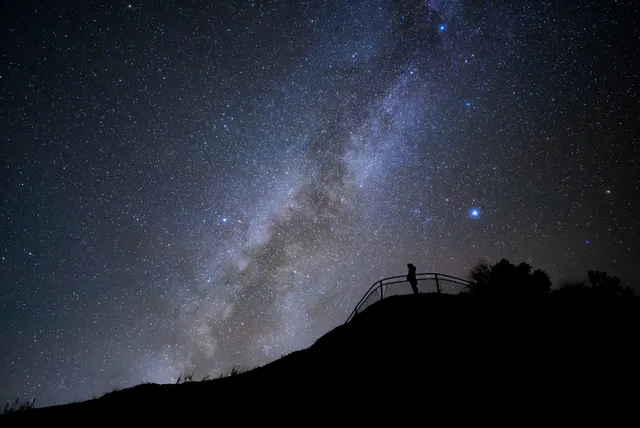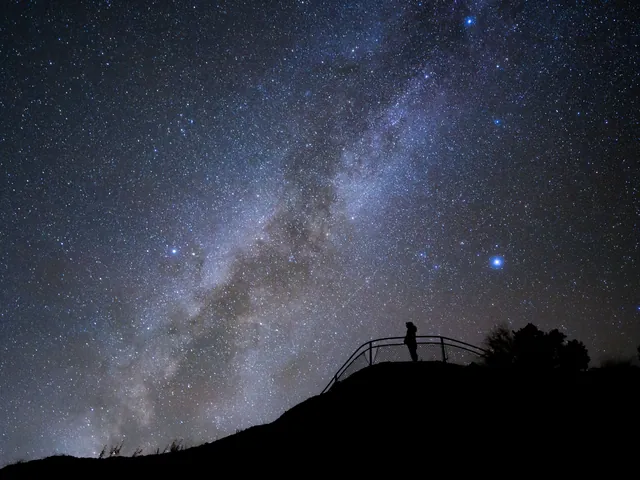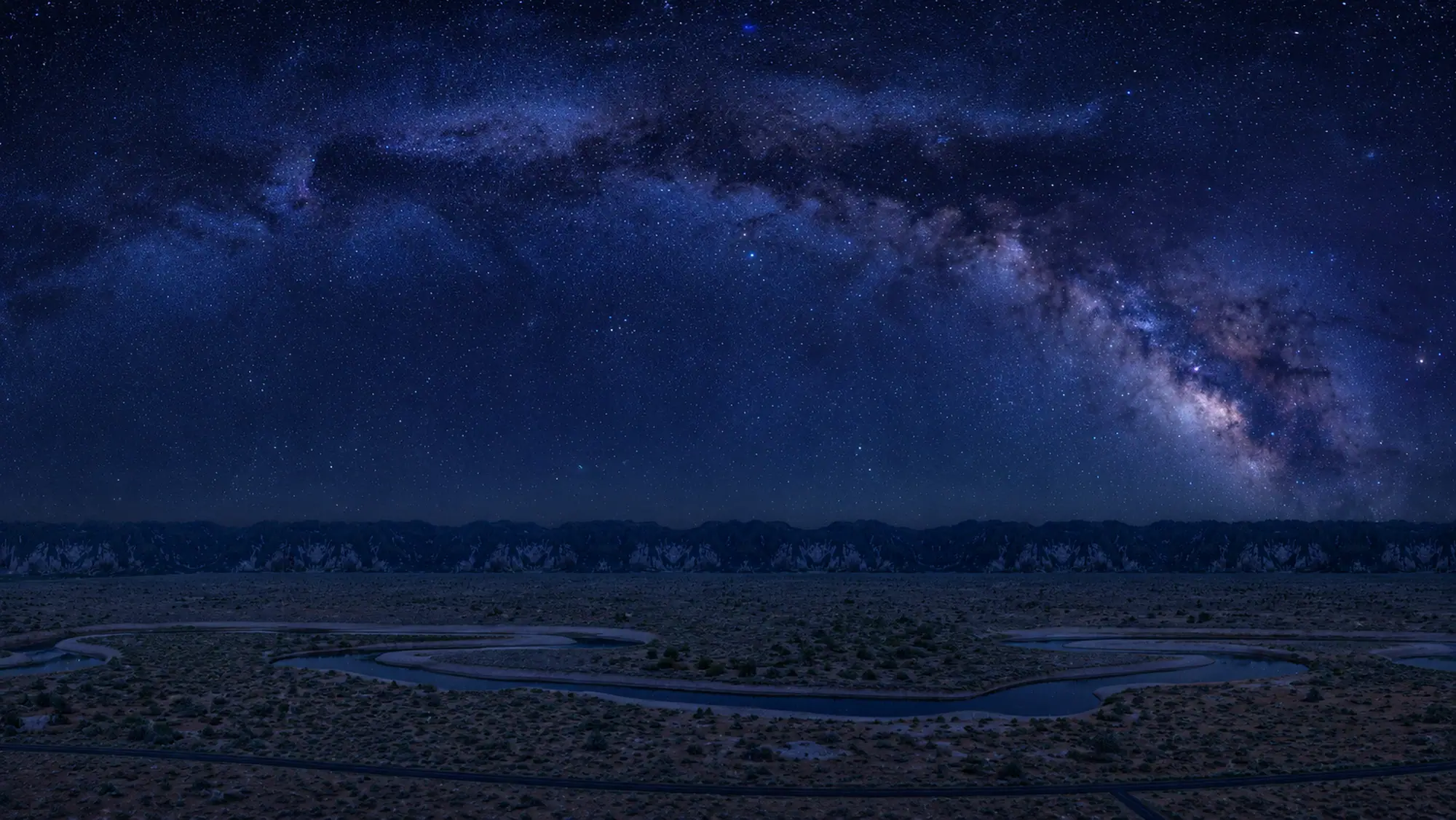

Big Bend National Park has the darkest skies of any national park in the lower 48 states. Bryce Canyon, Arches, Capitol Reef, and Glacier pair certified dark skies with ranger astronomy programs. The right pick depends on your route, the regional weather, and the moon phase during your travel dates.
Which National Park Is Best for Stargazing
Big Bend National Park has the darkest skies the National Park Service reports. For a Utah or Montana itinerary, Bryce Canyon, Arches, Capitol Reef, and Glacier stand out for certified dark skies and ranger astronomy events. Joshua Tree National Park provides four designated roadside stargazing areas for night sky viewing in Southern California. Our guide to California national parks for stargazing compares Death Valley, Yosemite, Lassen Volcanic and Pinnacles.
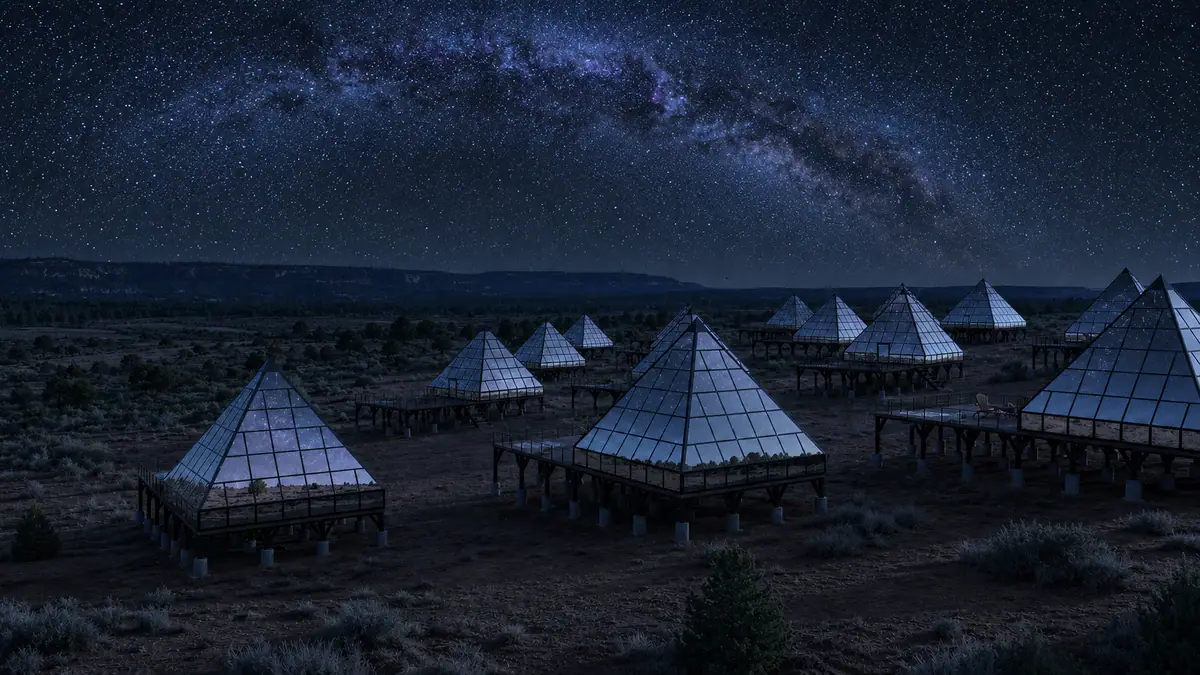
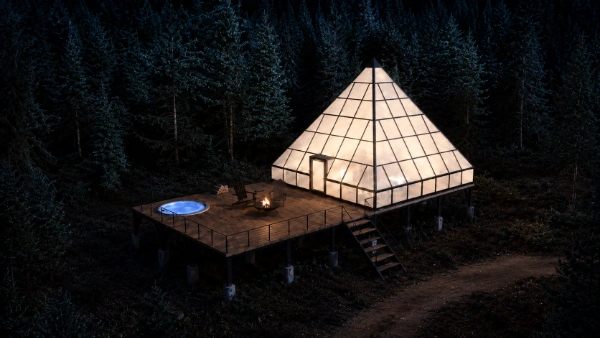
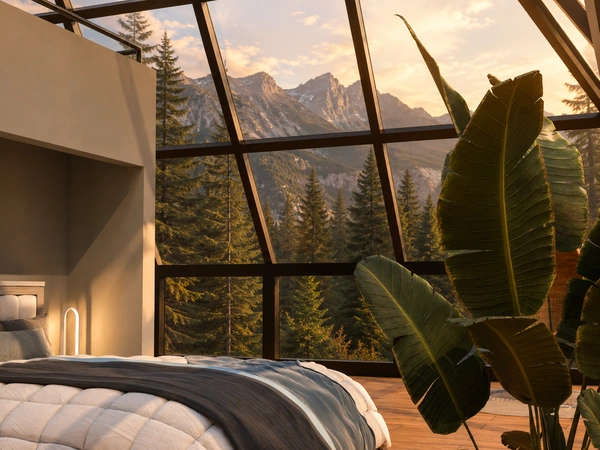
Sleep Under the Stars in a Glass Pyramid
Get early access to our pyramids near Bryce Canyon and Glacier, with priority booking to all locations.
Concept renderings
At Dark Light Collection, we are building glass pyramids on private land near Bryce Canyon and Glacier so you can watch the sky from bed, with opening in 2027. In our comparison, we matched each park's official dark sky status, astronomy programs, and viewing spots to a trip type. Choosing among these top destinations comes down to how you balance raw darkness against astronomy programs, travel time, and seasonal road conditions.
Park certifications from DarkSky International indicate an active, long-term commitment to measuring and mitigating artificial light pollution. You can explore how these protected reserves operate across the country in our guide to Dark Sky Parks. When planning a stargazing vacation, aligning your travel dates with a moonless sky often matters more than minor differences in sky brightness between certified locations.
Seven National Parks for Stargazing Compared
Comparing park designations and visitor programs shows how each destination handles night sky exploration. Some locations feature dedicated observatories and recurring telescope sessions, while others emphasize wilderness pullouts and personal observation away from developed facilities.
The table below compares seven parks using their official park pages and DarkSky International certifications:
| Park | Dark sky status | Standout feature | Programs or viewing spots | Season and moon note | Pairs well with |
|---|---|---|---|---|---|
| Big Bend National Park | International Dark Sky Park (2012) | Darkest skies in the lower 48 states | Star parties and moonlight walks | Optimal during clear, moonless nights | Big Bend Ranch State Park |
| Bryce Canyon National Park | International Dark Sky Park (2019) | High-elevation viewing with clean air | Full moon hikes and telescope programs | Clear weather nights during a new moon | Zion National Park |
| Arches National Park | International Dark Sky Park (2019) | Colorado Plateau dark skies | Panorama Point and Balanced Rock | Darkest during new moon phases | Canyonlands National Park |
| Canyonlands National Park | Colorado Plateau Dark Sky Cooperative member | Colorado Plateau overlooks | Grand View Point and high viewpoints | Optimal during clear, moonless nights | Arches National Park |
| Capitol Reef National Park | International Dark Sky Park (2015) | Waterpocket Fold under near-pristine skies | Annual Heritage Starfest and Burr Trail | Heritage Starfest, usually September or early October | Torrey, Utah |
| Glacier National Park | Waterton-Glacier International Dark Sky Park (2021) | First transboundary dark sky park | St. Mary and Apgar nightly programs | Nightly summer programs | Waterton Lakes National Park |
| Joshua Tree National Park | International Dark Sky Park | Southern California desert night skies | Four designated stargazing parking areas | Winter constellations like Orion | Cottonwood Campground for the darkest skies |
Moon phase matters at every one of them. Even in the darkest parks, natural factors such as lunar brightness, elevation, and atmospheric moisture dictate how many celestial objects remain visible to the naked eye.
Big Bend National Park for the Darkest Skies
Big Bend National Park holds the title for the least light pollution of any national park unit in the lower 48 states according to official assessments. The park achieved certified International Dark Sky Park status from DarkSky International in 2012 after measuring and mitigating excess lighting in the park. Together with neighboring Big Bend Ranch State Park, the region forms a combined protected dark sky area of 1,112,000 acres.
The primary factor behind Big Bend's exceptional night sky quality is its extreme isolation from major urban centers and the sparse human occupation of this region. When you look across the landscape at night, the wildness is marked by a lack of visible lights indicating a house or a town. To monitor these conditions over time, park researchers developed a detailed Nighttime Sky Quality map that tracks external light expansion toward the park boundary.
Visitors can participate in free ranger-led night sky interpretive programs, including regular star parties and moonlight walks that discuss dark sky preservation. For self-guided observation, setting up lawn chairs away from developed areas with simple binoculars allows you to view the Milky Way, meteor showers, and constellations. Detailed visitor information and seasonal schedules are maintained on the Big Bend stargazing page.
Bryce Canyon National Park for Ranger Astronomy Programs
Bryce Canyon National Park combines high elevation, clean and dry air, and dark sky programming to offer exceptional stargazing. The park earned official International Dark Sky Park status in 2019, protecting skies where the Milky Way shoots across the sky on clear new moon nights. At high elevations, the thin, clean air allows visitors to view celestial wonders such as the Andromeda Galaxy (M31), located roughly 2.2 million light-years away.
Rangers lead dedicated telescope programs and full moon hikes on or near the full moon. In 2026, the annual Bryce Canyon Astronomy Festival ran June 11 to 13 and was free with park admission. Future dates are announced each year on the Bryce Canyon night skies page. Observers can also look for the rare sight of Earth's penumbra, where a purple band appears directly above the eastern horizon after sunset.
Our glass pyramids are planned for private land about 15 minutes from Bryce Canyon National Park and about one hour from Zion National Park. Each pyramid has a personal deck telescope. Founding guests get first choice of pyramid size, view and position. You can read more about planning your night sky excursions in our Bryce Canyon stargazing guide.
Arches and Canyonlands National Parks for Moab Stargazing
Arches National Park and Canyonlands National Park showcase the exceptional natural darkness of Utah's Colorado Plateau. Arches achieved certified International Dark Sky Park status in 2019, protecting night skies where visitors can see thousands of stars that remain completely obscured in modern metropolitan environments. While city light from nearby Moab exists to the south, driving farther north into the park away from the lights of Moab provides darker skies.
Recommended viewing locations in Arches include Panorama Point, the Balanced Rock Picnic Area, the Windows Section, and the Garden of Eden Viewpoint. The park regularly hosts ranger-led astronomy events and provides detailed guidelines on the Arches stargazing page. Visitors using standard binoculars can often resolve planetary details such as the rings of Saturn on steady, clear nights.
Nearby, Canyonlands National Park preserves natural darkness across its open landscapes and high viewpoints. Canyonlands is a member of the Colorado Plateau Dark Sky Cooperative, a voluntary partnership linking regional communities, federal agencies, and Native American tribes. Prime viewing locations such as Grand View Point offer open skies ideal for viewing the Milky Way, with complete event listings available on the Canyonlands night sky page.
Capitol Reef National Park for Heritage Starfest
Capitol Reef National Park protects near-pristine night skies along the Waterpocket Fold, having achieved official International Dark Sky Park designation in 2015. The park offers some of the best night sky viewing opportunities of the western national parks. The neighboring town of Torrey, Utah, serves as the state's first dark sky community.
A major highlight of the park's astronomy calendar is the annual Heritage Starfest, held each year in September or early October. The park's own photographers have captured the Milky Way arcing over the Burr Trail.
Current viewing recommendations and park compendium updates can be reviewed on the Capitol Reef night sky portal.
Glacier National Park for Summer Night Programs
Glacier National Park forms half of the world's first transboundary International Dark Sky Park, certified jointly with Waterton Lakes National Park in Canada. Waterton-Glacier received provisional certification in 2017 before gaining full International Dark Sky Park designation in 2021 through DarkSky International. Dark skies in northern Montana protect nocturnal wildlife habitat. They also honor the Indigenous tribes who have used the stars for millennia to guide their seasonal rounds.
During the summer months, park rangers and partner organizations host nightly astronomy programs at St. Mary and Apgar. Visitors see the night sky through telescopes. The park also hosts special Logan Pass Star Parties when scheduled. Each year's dates are posted on the Glacier night sky page.
The same page offers a live sky cam and a daily time-lapse video, so you can watch from home. If you are planning an expedition to northern Montana, Dark Light Collection will offer glass pyramids on private land within 15 minutes of Glacier's West Entrance, opening in 2027. You can discover more seasonal tips in our complete guide to Glacier National Park stargazing.
Joshua Tree National Park for Designated Stargazing Areas
Joshua Tree National Park protects some of the darkest night skies in Southern California, earning certification as an International Dark Sky Park from DarkSky International. Because the park never closes its gates, visitors can enter after nightfall to observe the heavens from designated roadside pullouts and parking lots. While light pollution from surrounding communities impacts some areas of the park, darker locations offer outstanding views of the Milky Way.
The park has established four designated roadside stargazing areas: the parking lots at Quail Springs, Hidden Valley, Cap Rock, and Ryan Mountain. Stay awake and within 20 feet (6 meters) of your vehicle. Overnight camping is not allowed along roadsides or in parking lots, but the park has nine campgrounds (camping fees apply). Cottonwood Campground features the park's darkest skies, while the Pinto Basin Road between Cholla Cactus Garden and Cottonwood has the least traffic.
Joshua Tree also hosts the annual Night Sky Festival, and a partner observatory in Twentynine Palms offers additional programs. Use a red light instead of white light, wear closed-toed shoes to guard against cacti, and skip light painting, which the park does not permit. Practical viewing advice and seasonal constellation patterns are detailed on the Joshua Tree stargazing guide.
Moon Phase and Night Vision for Any Park
Natural factors such as lunar brightness and biological dark adaptation directly influence what you can see in any dark sky park. A new moon period provides the darkest possible sky conditions, revealing thousands of stars and the Milky Way. Even the light from a thin crescent moon can make it more difficult to see fainter stars or the Milky Way.
Eyes need 20 to 30 minutes in the dark to adjust. Exposure to bright white light from mobile phones, vehicle headlights, or flashlights can harm your night vision and delay adjustment. Always use a flashlight with a red light or secure red cellophane over white beams, because red light will not impact night vision as much. Carrying a physical planisphere or star chart helps you locate constellations without checking illuminated digital screens.
You can learn more about measuring darkness in our guide to the Bortle scale. Stargazing under these conditions connects you directly to the cosmos: the Bortle scale, not bottle service. You can also time your adventure around reliable annual events by consulting our meteor shower calendar, or discover why natural darkness matters to human well-being on our Why Dark Sky page.
Who Should Choose Differently
This national park stargazing itinerary does not suit every traveler or vacation style. Visitors seeking to avoid high-elevation environments should note that Bryce Canyon is a high-elevation park far from civilization. Those travelers can head instead to desert destinations such as Joshua Tree, while still preparing for evening temperatures that drop quickly.
Travelers who prefer staying near large towns or cities should reconsider Big Bend National Park. Big Bend is far removed from large towns or cities, with sparse human occupation throughout the region. Visiting Arches and Canyonlands near Moab provides an alternative closer to town services between night sky sessions.
If the forecast shows clouds for your dates, switch to another park on this list with clearer weather. If your dates fall on a full moon, join a ranger-led full moon hike at Bryce Canyon instead of attempting deep-sky astrophotography.
Planning a Stargazing Trip
Building a rewarding dark sky vacation requires matching each park's unique geographic setting and ranger calendar to your travel dates. Big Bend is the pick for raw darkness in the lower 48 states. The Colorado Plateau cluster of Bryce Canyon, Arches, and Capitol Reef puts three certified parks on one regional road trip. In California, our Death Valley dark-sky guide covers the ranger-suggested viewing spots and timing.
Seasonal road access and weather conditions should guide your final route decisions. At Glacier, nightly ranger programs take place throughout the summer at St. Mary and Apgar, with special Logan Pass Star Parties announced when scheduled. Standard park entry fees apply, and travelers can learn more about entry options through the America the Beautiful pass.
Before you pack your telescope and red headlamp, read where Bryce Canyon is and pyramid stays nearby. For Montana, see where Glacier National Park is and where to stay on the West Side. Check the moon phases on the Arches stargazing page, then reserve your stay and map your route to the best national parks for stargazing.
Experiencing dark night skies restores a perspective lost to urban light, where thousands of stars and distant galaxies emerge above the horizon.
Frequently asked questions
What is the best place in the US to see the night sky?
Big Bend National Park in Texas has the darkest skies of any national park in the lower 48 states. The Natural Sounds and Night Skies division of the National Park Service made that determination. High-elevation certified parks like Bryce Canyon National Park in Utah also provide exceptional stargazing due to clean, dry air and remote locations.
Where can you see the most stars?
You can see the most stars in remote, certified International Dark Sky Parks such as Big Bend, Bryce Canyon, Capitol Reef, and Arches during a new moon. Under pristine, moonless conditions, viewers can observe thousands of stars, the Andromeda Galaxy, and the dense central band of the Milky Way.
What is the best time of the month to stargaze in a national park?
The best time to stargaze is during the new moon or when the moon sits below the horizon. Even a thin crescent moon produces enough glare to wash out faint stars. Checking local lunar rise and set schedules ensures you arrive during peak darkness.
Do you need a telescope to stargaze in a national park?
You do not need a telescope, as the naked eye is sufficient to see thousands of stars and the Milky Way in certified dark sky parks. A simple pair of binoculars can reveal planetary features like the rings of Saturn.
Sleep Under the Stars in a Glass Pyramid
Get early access to our pyramids near Bryce Canyon and Glacier, with priority booking to all locations.
Reserve Your Pyramid Why dark sky →