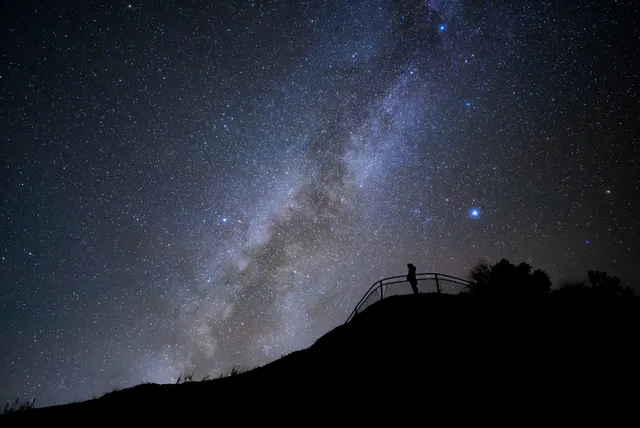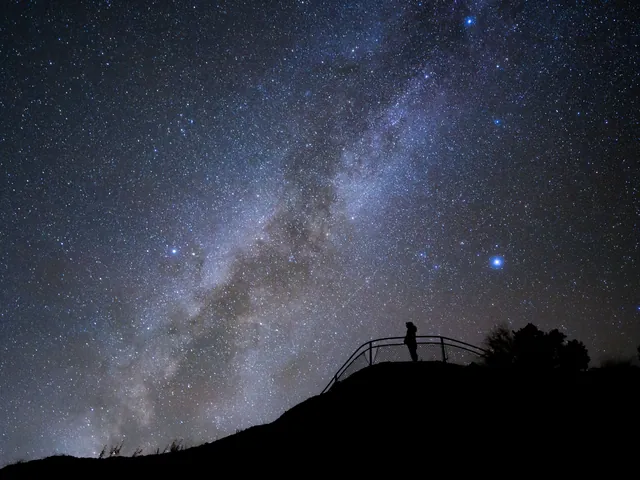
Death Valley is the certified Gold Tier choice among California national parks for stargazing. Yosemite lists night-sky viewing areas in the valley, at Glacier Point and along Tioga Road. Lassen Volcanic has dark skies, roadside lakeshores and summer ranger night programs and is working toward Dark Sky Park designation. Pinnacles suits a short new-moon visit from named parking areas at no extra stargazing fee.
Best Choice for California National Parks Stargazing
Death Valley is the certified Gold Tier choice among the four California parks. The International Dark-Sky Association classifies Death Valley at its highest Gold Tier level, per the National Park Service.
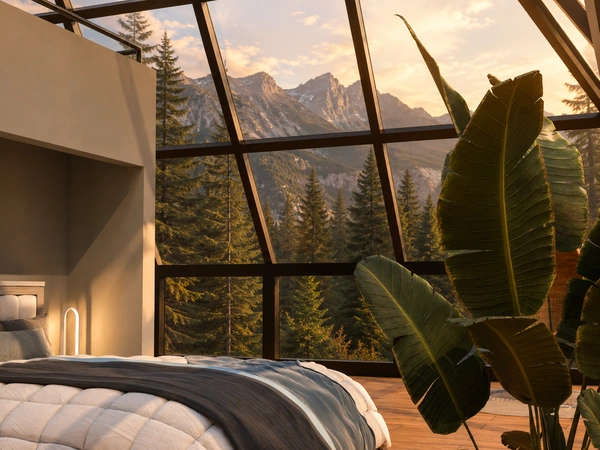
Reserve Your Stargazing Pyramid for 2027
Get early access to our pyramids near Bryce Canyon and Glacier, with priority booking to all locations.
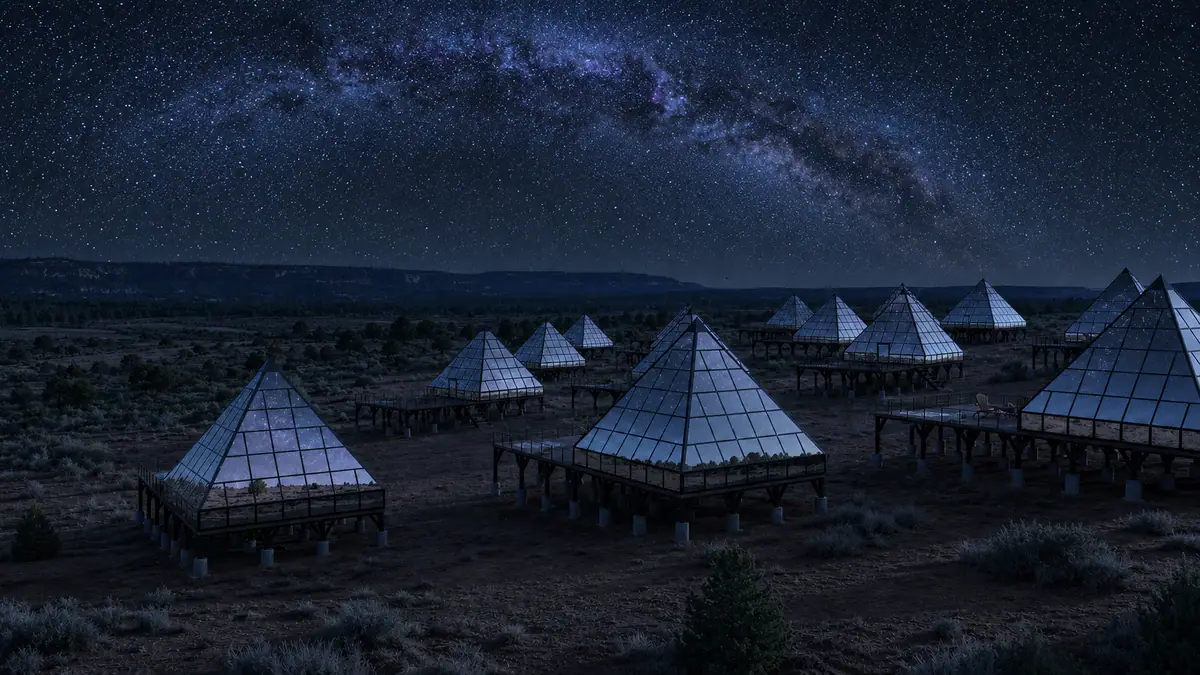
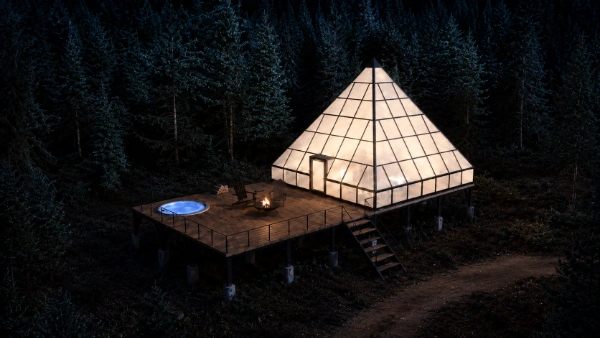
Concept renderings
Death Valley is a weaker fit in July and August, when summer nights can stay above 100 F (38 C). Yosemite requires a reserved campsite or wilderness permit to sleep, and Lassen Volcanic allows overnight camping only in campgrounds.
Each park fills a distinct role for dark-sky travelers:
- Death Valley suits observers seeking certified Gold Tier darkness, ranger-suggested spots and a spring Dark Sky Festival.
- Yosemite suits travelers who want named viewing areas from the valley meadows to Glacier Point, with a reserved campsite or wilderness permit for sleeping.
- Lassen Volcanic suits visitors looking for roadside lakeshores, full-moon hikes and summer ranger programs, with its designation in process.
- Pinnacles suits stargazers wanting a short new-moon visit from specific parking areas at no extra fee.
Yosemite lets you sleep only in a reserved campsite or with a wilderness permit and Lassen allows overnight camping only in campgrounds, so plan your bed before you plan your stars.
California National Park Stargazing Compared
Night-sky quality, seasonal access, and local regulations differ substantially across California national parks.
| Park | Sky and designation | Where to look | Main caution |
|---|---|---|---|
| Death Valley | Gold Tier certified Dark Sky Park | Mesquite Flat Sand Dunes, Harmony Borax Works, Ubehebe Crater | Summer night heat above 100 F and low basin horizons |
| Yosemite | Naturally dark with minimal light pollution | Glacier Point, Tioga Road, valley meadows, Wawona Meadow | Sleeping allowed only in reserved campsites or with a wilderness permit. Seasonal road access |
| Lassen Volcanic | Dark skies, working toward Dark Sky Park designation | Roadside lakeshores, Bumpass Hell, Lassen Peak Trailhead | No overnight camping in pullouts or parking areas |
| Pinnacles | Clear night skies | Day Use Area, Bacon Ranch, Chaparral Parking Area | Weather dependent with non-ideal nights. East and west side parking areas |
Elevation and topography dictate what you can view at each destination. Low places like Badwater Basin sit framed by tall surrounding mountain ranges that block celestial objects near the horizon. Choosing a large open area with some elevation provides a view of more stars with fewer terrain obstructions.
Seasonal climate patterns introduce important planning factors across these parks. In Yosemite, Glacier Point and Tioga Road open approximately late May or June to November, so check the park page before a trip. In contrast, Death Valley has no closing time, yet summer nighttime temperatures regularly exceed 100 degrees Fahrenheit (38 degrees Celsius). Lassen provides dark skies around roadside lakes, while ranger night programs occur more often in summer. Pinnacles remains accessible year round, but visitors should check local weather as most nights are not ideal for night-sky viewing.
Death Valley as a Certified Dark Sky Park
Death Valley National Park was the third International Dark Sky Park in the U.S. National Park System certified by the International Dark-Sky Association. The park earned its Gold Tier designation from the IDA after completing retrofits to outdoor light fixtures across Stovepipe Wells and Furnace Creek. Facilities use downward-pointing shields, fixtures beneath canopies, and shut off outdoor lights when not in use to illuminate walkways without creating sky glow or glare. Detailed location tips and seasonal advice appear in the Death Valley stargazing guide.
The park has no closing time, allowing self-guided stargazing across its vast desert terrain at any hour of the night. Rangers recommend open vantage points like Mesquite Flat Sand Dunes, Harmony Borax Works, Badwater Basin, and Ubehebe Crater for wide celestial views. Astrophotographers frequently set up cameras along Zabriskie Point and Harmony Borax Works to capture the Milky Way against rugged desert geology. Visitors may park vehicles along major roadways for night photography, though overnight camping along paved roads remains illegal.
Organized space programming runs throughout the cooler months of the year. Rangers offer night-sky programs at well-known Death Valley locations during the winter. Each spring, the park hosts an annual multi-day Dark Sky Festival featuring special ranger programs, hands-on activities and guest speakers from NASA. Travelers extending their journey can follow the Park to Park in the Dark astro-tourism route, connecting Death Valley with Great Basin National Park across remote stretches of California and Nevada through towns like Beatty, Goldfield, Tonopah, Ely, and Baker.
Yosemite Night Skies from Valley Meadows to Glacier Point
Yosemite National Park provides naturally dark night skies silhouetted by massive granite cliffs, waterfalls, and alpine peaks. Because the park maintains minimal artificial lighting across its facilities, thousands of stars appear overhead on moonless nights. Observers visiting Yosemite Valley can gaze up from open meadow locations including El Capitan Meadow, Cook's Meadow, Swinging Bridge, and Tunnel View. During climbing season in spring and fall, viewers can see climbers' headlamps begin to turn on throughout Yosemite Valley. Valley stargazing can occasionally encounter localized glare from passing vehicle traffic or smoke haze drifting from permitted campfires.
High-elevation roads provide stargazing at higher elevations of the park during their open seasons. Glacier Point Overlook and Washburn Point sit high above Yosemite Valley, giving stargazers a wide viewing platform overlooking Half Dome between approximately late May and November. Further north, Tioga Road climbs through the high country past Tenaya Lake and Olmsted Point, providing dark-sky viewing from late spring or June through November. In the southern portion of the park, Wawona Meadow allows for peaceful stargazing at a similar elevation to Yosemite Valley.
Planning around darkness and strict park regulations ensures a smooth night in Yosemite. The night sky is darkest from roughly 1.5 hours after sunset until 1.5 hours before sunrise, and the galactic core of the Milky Way displays brightly on moonless evenings from July through October. On rare full-moon nights during peak waterfall runoff between April and June, moonlight hitting waterfall mist creates luminous moonbows at Upper and Lower Yosemite Falls that show brilliant color in long-exposure photographs. Visitors must hold confirmed campsite reservations or valid wilderness permits. During summer months, educational night programs take place across the park through collaborations between park rangers, Yosemite Conservancy, and Yosemite Hospitality.
Lassen Volcanic Lakeshores and Summer Night Programs
Far from the light pollution of civilization, Lassen Volcanic National Park functions as a sanctuary of natural darkness in northern California. The park protects dark night skies and is currently working toward formal Dark Sky Park certification. Visitors can monitor its progress toward designation by checking the official Lassen Volcanic stargazing page. Stargazers can view the cosmos from almost any location with an unobstructed view of the sky, though many campsites in the park are forested, so head to a lakeshore, meadow, or parking area for a wider view of the sky. Roadside lakes like Lake Helen, Emerald Lake, Manzanita Lake, and Summit Lake provide easy access for night-sky viewing.
Paved parking areas provide dependable footing and broad horizons for night observation. Excellent roadside viewing locations include trailhead lots at Bumpass Hell, Lassen Peak Trail, and the Devastated Area, alongside visitor center parking at Loomis Museum and the Kohm Yah-mah-nee Visitor Center. Roadside pullouts at Kings Creek Meadow, Chaos Jumbles, and Little Hot Springs Valley Overlook also provide open vantages. Overnight camping in roadside pullouts and parking lots is prohibited, with the sole exception of Kohm Yah-mah-nee Visitor Center parking for visitors paying an established overnight camping fee.
Ranger-led dark-sky activities expand significantly during the warm summer season. Park staff collaborate with regional organizations including the Shasta Astronomy Club and the Astronomical Society of Nevada for trainings, night sky programming, and special events. Young travelers aged five and older can complete the Junior Ranger Night Explorer booklet at park visitor centers to earn a special patch. Experienced hikers can also take advantage of full-moon evenings to hike trails like Lassen Peak and Cinder Cone under natural moonlight.
Pinnacles New-Moon Stargazing Outings
Pinnacles National Park offers night-sky viewing opportunities to gaze upon clear skies with telescopes. The best viewing locations are any areas free of obstructions like trees. Optimal viewing occurs during the new moon, when absent moonlight leaves the sky dark enough to resolve faint constellations. Visitors should check local weather conditions before departing, as most nights are not ideal for night-sky viewing.
Stargazers can access viewing areas from both the east and west sides of the park. On the east side, primary night-viewing locations include the Day Use Area situated behind the campground and park store, the historic Bacon Ranch area, and the Peaks View Parking Area. From the west side, stargazers can view the night sky at Chaparral Parking Area. Minors exploring the park after dark must remain under the direct supervision of an adult parent or guardian.
Pinnacles requires no advance stargazing reservations and assesses no supplemental night-use fees beyond the standard park entrance fee. Stargazing is permitted year round. Domestic pets are barred from trails and wild terrain, permitted only in campgrounds, picnic sites, and within ten feet of paved roads, parking areas, and designated Bacon Ranch corridors. Stargazers should pack warm clothing, water, and red flashlights to navigate parking lots safely without disturbing wildlife.
Rules and Night Vision for California National Parks Stargazing
Protecting your night vision is practical for enjoying faint deep-sky phenomena in dark-sky parks. Human eyes require roughly 20 to 30 minutes in absolute darkness to develop full night adaptation. Glancing at a smartphone screen, car headlight, or white flashlight beam instantly destroys night vision, forcing the physiological adjustment process to start over from scratch. Stargazers should use red headlamps or place red cellophane over standard flashlights, as red wavelengths do not disrupt night adaptation. Stowing cell phones and camera screens away from your field of view allows you to see thousands of additional stars across open skies.
Tracking lunar cycles directly influences the type of nighttime experience you will encounter. Stargazers hoping to view fainter stars and the Milky Way should plan trips during the new moon or when the lunar crescent sits below the horizon. Full moons flood desert and mountain basins with bright light, creating good visibility for midnight walks across Mesquite Flat Sand Dunes or Lassen Peak while washing out fainter celestial details. Using a stargazing app, planisphere, or star chart ahead of time helps observers locate constellations and track orbital objects like the International Space Station (ISS) through tools like NASA's Spot the Station app.
Astrophotography requires deliberate preparation and adherence to park preservation rules. Photographers should research optimal Milky Way photography settings and set up tripods in durable, level areas like parking lots, paved pullouts, or packed dirt clearings. Across all national parks, visitors must leave natural features undisturbed, carry out all trash, and keep food within arm's reach to avoid attracting wildlife. You can explore certified night skies across the United States in the guide to Dark Sky Parks.
Dark Sky Trips Near Bryce Canyon and Glacier
Experiencing dark night skies should not end with California's public lands. Travelers seeking dark skies often expand their itineraries toward other regions across the American West. Our review of the best national parks for stargazing highlights destinations across the continent, including desert skies in southern California at Joshua Tree National Park. You can also explore Utah's high plateaus in the guide to stargazing at Bryce Canyon.
What would change our answer: A designation, road date, fee or sleeping-rule change from the park would change the pick. Our Bryce Canyon and Glacier pyramids put you near two certified Dark Sky Parks, listed in the Dark Sky Parks guide.
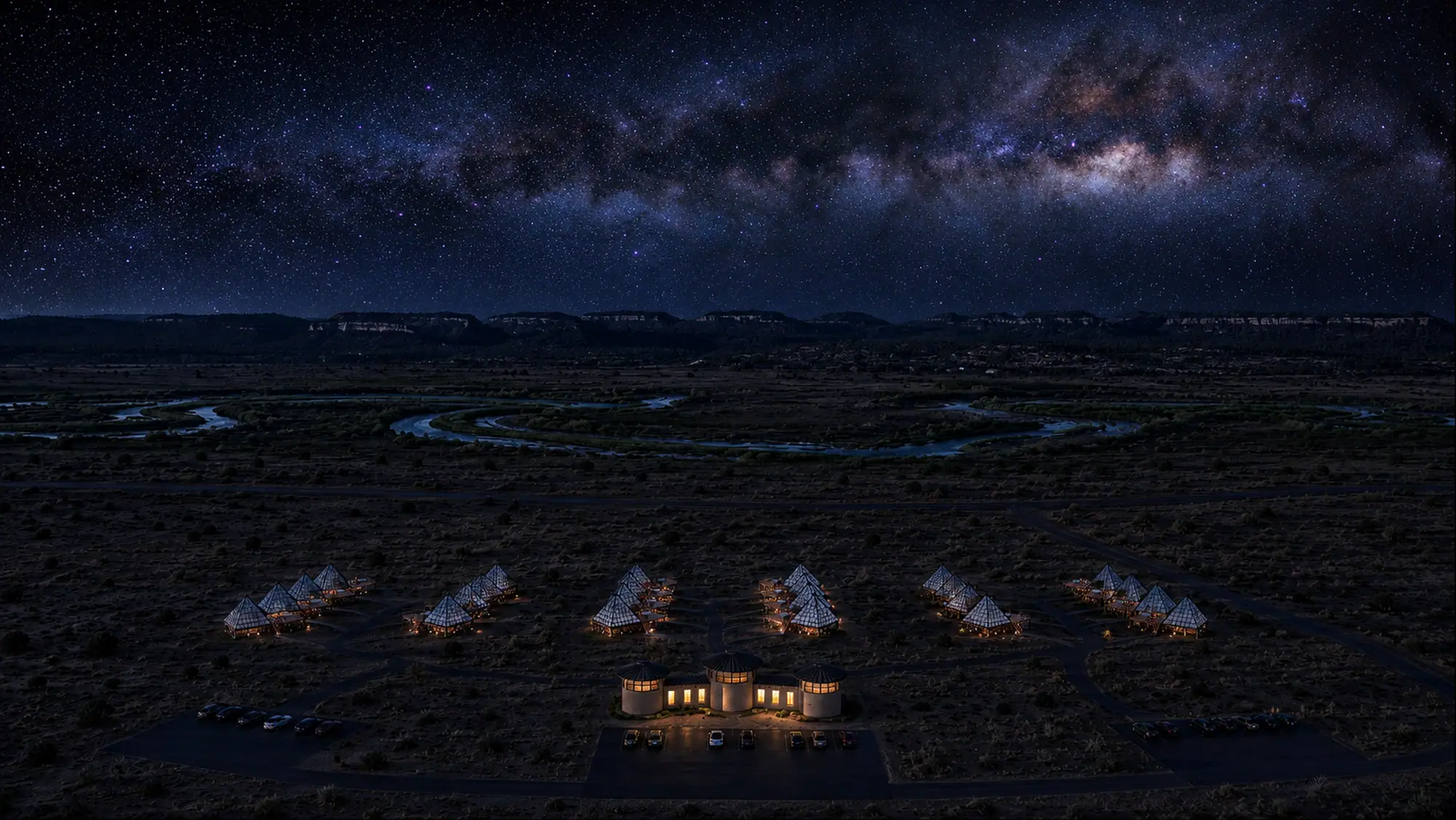
At Dark Light Collection, we offer glass pyramid stays that place you directly under dark night skies. Our custom-designed glass pyramids sit on private land near Bryce Canyon (about 15 minutes away) and near Glacier (within 15 minutes of the West Entrance), never inside a national park or Dark Sky Park boundary. Each pyramid features triple-pane heated glass, a king bed positioned for sky-gazing, and a private deck with a fire pit, heated loungers, and a personal deck telescope.
Opening in 2027, founding deposits are available now via the Dark Light Collection reserve portal. Founding guests receive first choice of pyramid size, view, and location, locked-in introductory founding rates, invitations to opening celebrations, and priority reservations at future locations. Per our Flexible Cancellation & Refund Policy, reservations remain 100% refundable less a $30 processing fee until 60 days before arrival. Reserve a founding stay with Dark Light Collection to sleep under the same kind of sky, or check each park's stargazing page before your trip.
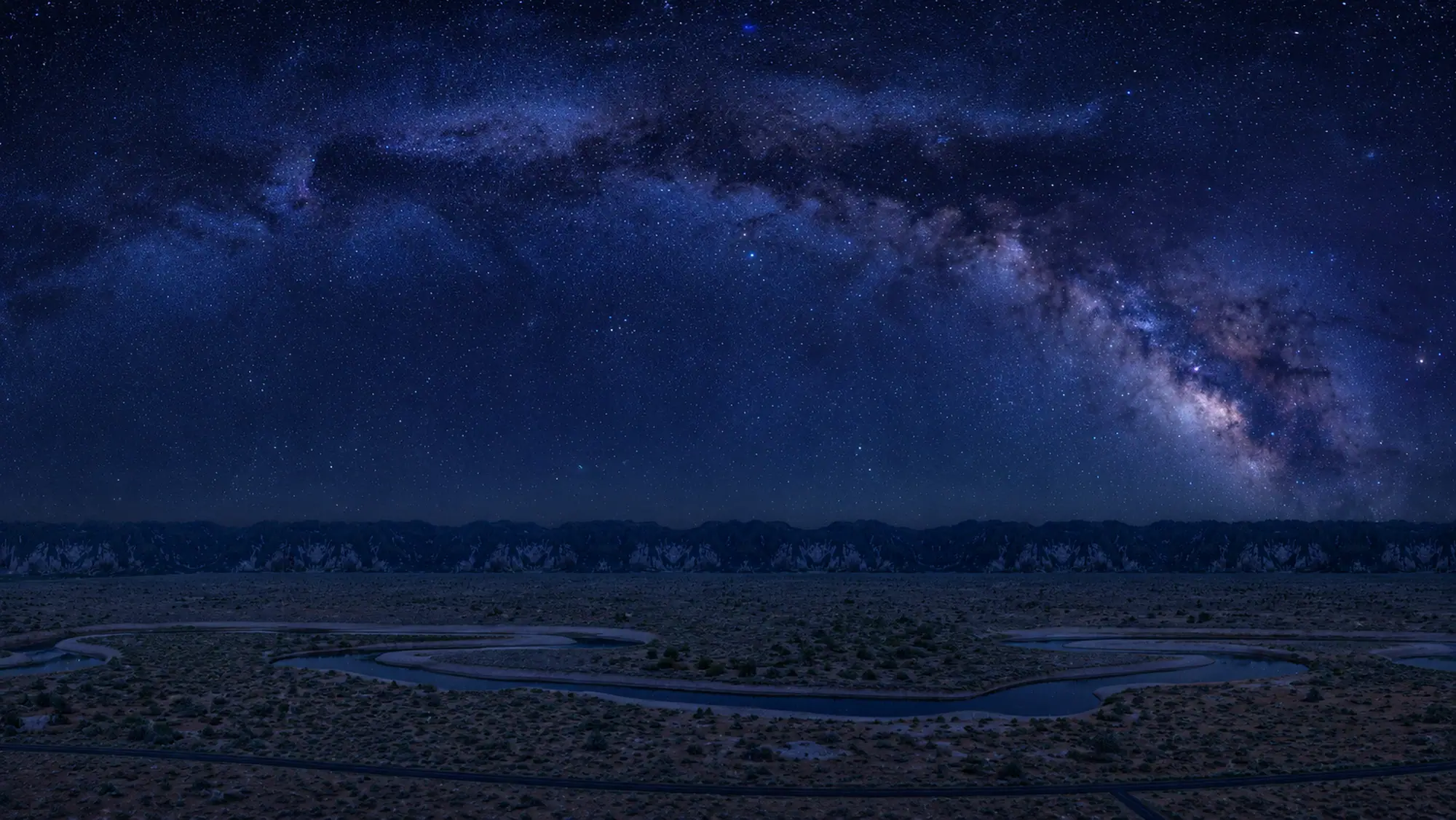
Watching the Milky Way arch over western national parks reminds travelers how rare natural darkness has become. The glass pyramids pair private outdoor fire pits and heated stargazing decks with expansive unpolluted night skies.
Frequently asked questions
Is Pinnacles National Park a dark sky park?
Pinnacles offers clear night skies, best viewed on a new moon from named east-side and west-side parking areas. Stargazing has no extra fee beyond park entrance and needs no reservations.
Is Lassen Volcanic National Park worth visiting for stargazing?
Lassen Volcanic National Park is an exceptional stargazing destination featuring high-elevation lakeshores and minimal artificial light. The park is actively working toward formal Dark Sky Park certification and hosts frequent ranger-led astronomy programs during the summer months. Locations such as Lake Helen, Manzanita Lake, and the Bumpass Hell trailhead provide easy roadside access for night-sky viewing.
When is the best time of night to stargaze in Yosemite?
The best time to stargaze in Yosemite is between 1.5 hours after sunset and 1.5 hours before sunrise, when the sky reaches full darkness. Moonless nights between July and October make the core of the Milky Way easily visible. Stargazers should allow 20 to 30 minutes for their eyes to adjust to the dark without using white flashlights or phone screens.
Which California national park has the darkest skies?
Death Valley holds the International Dark-Sky Association Gold Tier classification. Yosemite, Lassen Volcanic and Pinnacles each have dark night skies described on their own NPS stargazing pages, and Lassen Volcanic is working toward Dark Sky Park designation.
Reserve Your Stargazing Pyramid for 2027
Get early access to our pyramids near Bryce Canyon and Glacier, with priority booking to all locations.
Reserve Your Pyramid Why dark sky →