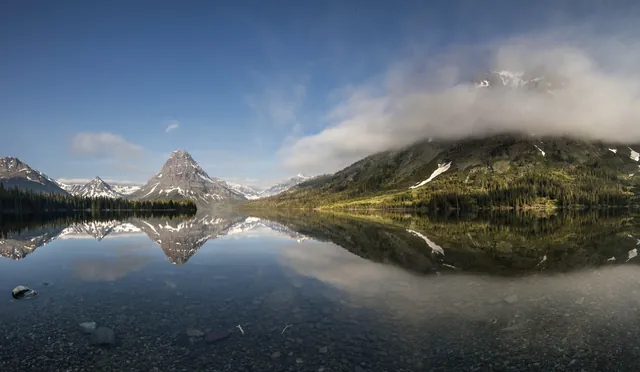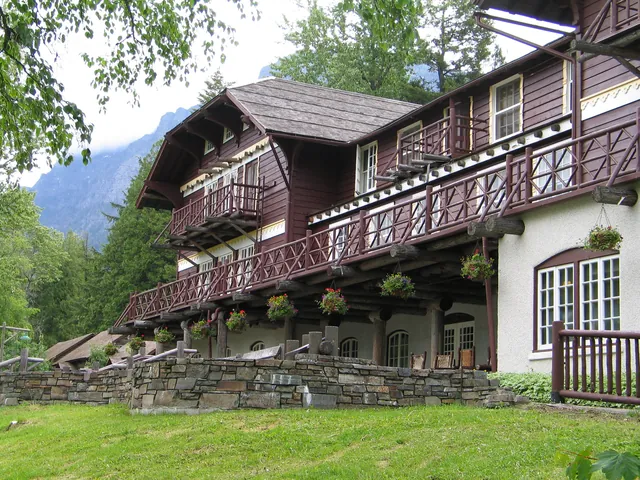

Summer brings Glacier National Park stargazing to life with nightly ranger programs at St. Mary and Apgar, where sophisticated telescopes meet a sky with few artificial lights. Whenever the park schedules a special Logan Pass Star Party, visitors gather at the highest point on Going-to-the-Sun Road for an evening under the stars. For anyone who prefers an early night, the Dusty Star Observatory Night Sky Cam captures the entire overnight sky and weaves it into a morning time-lapse video.
Glacier National Park Stargazing and Its Dark Sky Certification
Glacier National Park holds prestigious International Dark Sky Park certification, shared across the border with Waterton Lakes National Park of Canada under the combined name Waterton-Glacier. Together, Waterton-Glacier made history as the very first transboundary International Dark Sky Park on the globe.
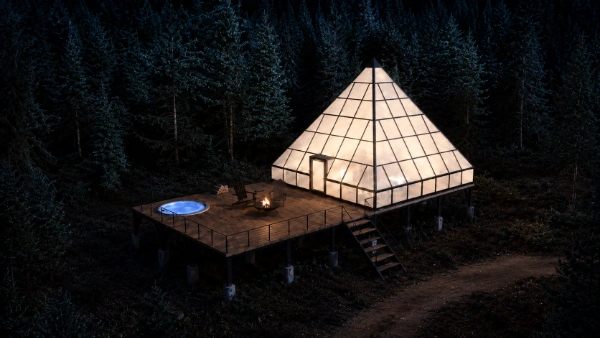
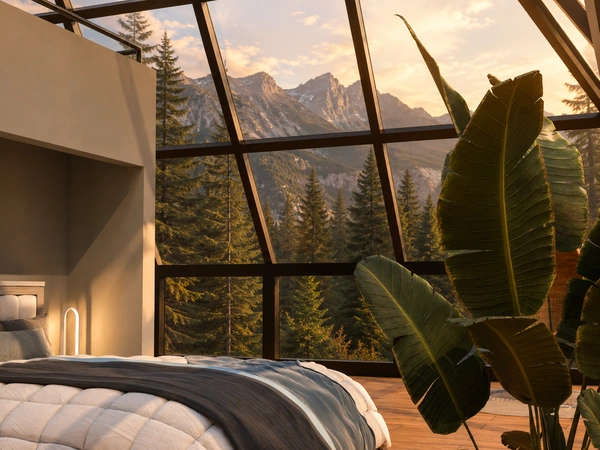
Sleep Under Glacier's Night Sky in 2027
Get early access to our pyramids near Bryce Canyon and Glacier, with priority booking to all locations.
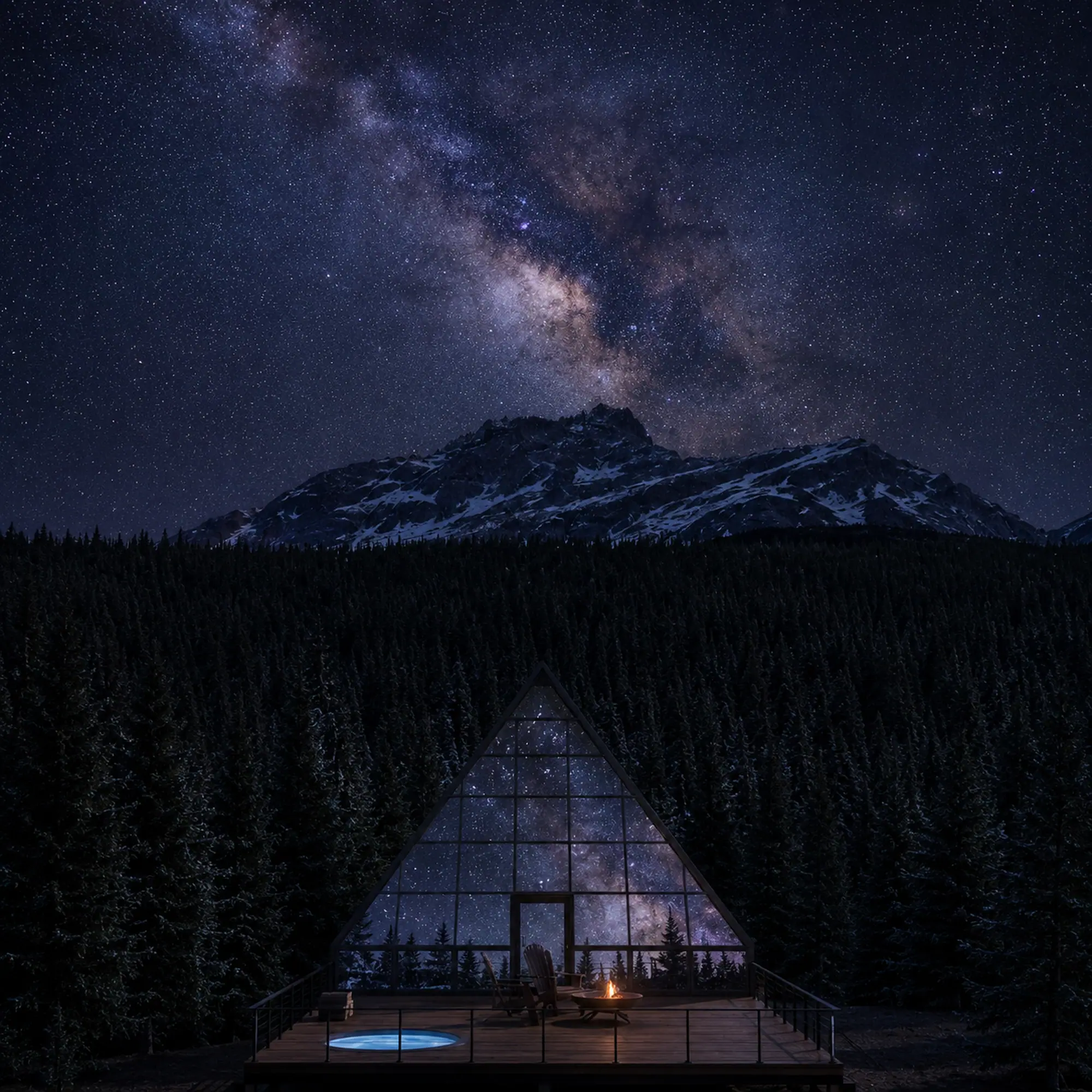
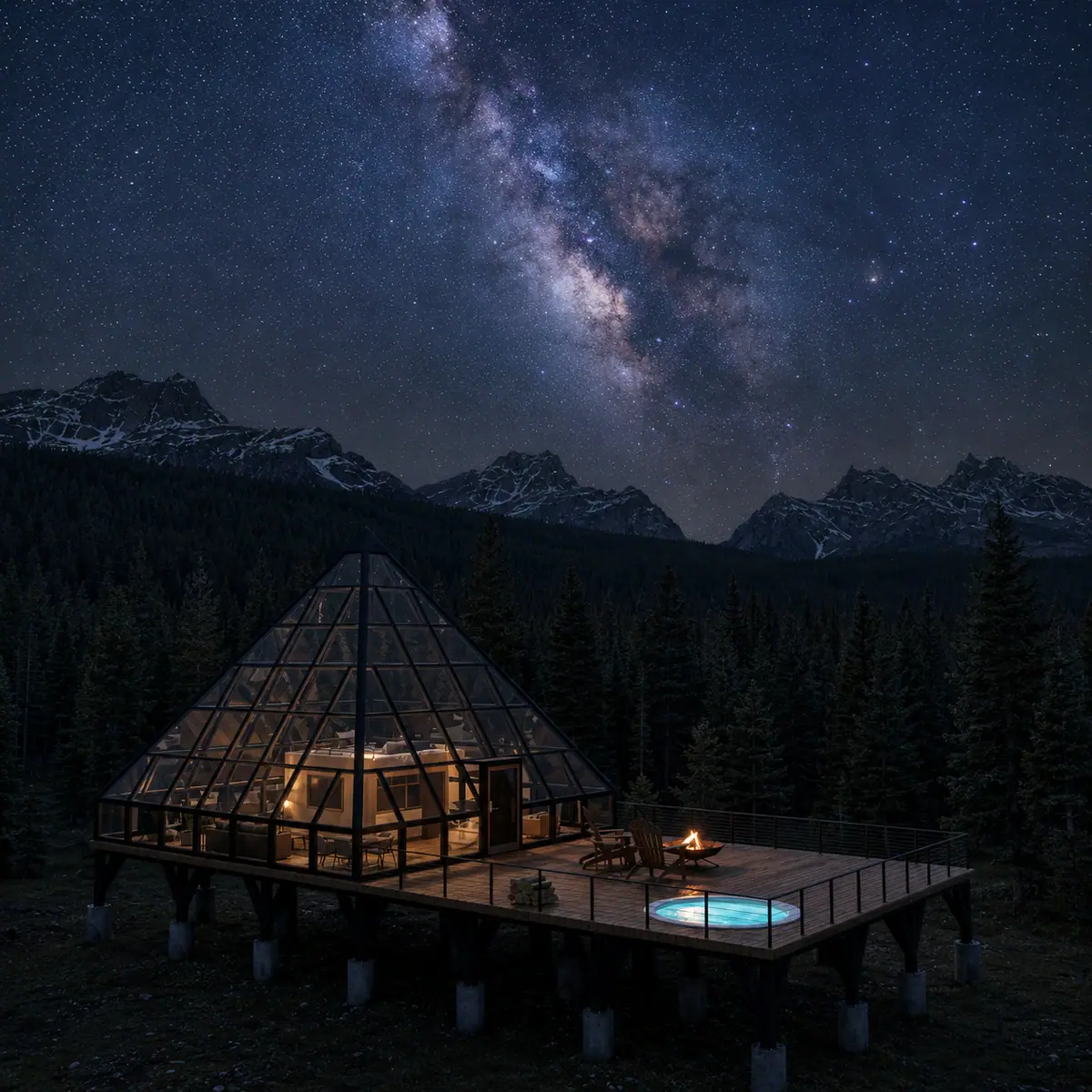
Concept renderings
To experience this night sky in person:
- Check program dates on the Ranger-led Activity Schedule, linked directly from the National Park Service (NPS) night sky page.
- Head to St. Mary or Apgar, where astronomy events run nightly throughout the summer season.
- Keep an eye on the schedule for a Logan Pass Star Party, which the park says it will announce when one is scheduled.
- If you prefer to sleep early, catch the Night Sky Cam video recap posted just after sunrise.
The certification is a long-term commitment, and the parks must meet four objectives to keep it:
- Preserve or restore outstanding night skies.
- Protect sensitive nocturnal wildlife habitats.
- Provide visitors rich opportunities to enjoy the night sky and its cultural heritage.
- Lead educational efforts on dark sky preservation for park guests and surrounding communities.
Ranger Astronomy Programs at St. Mary and Apgar
Ranger astronomy programs bring sophisticated telescopes to visitors at sites with few artificial lights, and they run nightly through summer at St. Mary and Apgar. Glacier coordinates these stargazing sessions alongside dedicated partners including the Glacier National Park Conservancy, the IDA, the NPS Night Sky Program, and the Big Sky Astronomy Club. These same partners also help with daytime viewing of the sun.
Choose the location that best matches your lodging base. St. Mary sits on the park's east side at the St. Mary Visitor Center, home to the Dusty Star Observatory Sky Cam. Apgar anchors the west side near Lake McDonald and features the largest campground in the park.
Check current dates and program times on the Ranger-led Activity Schedule via the park's night sky page. The table compares the three night sky locations side by side:
| St. Mary | Apgar | Logan Pass | |
|---|---|---|---|
| Side of the park | East | West | Highest point on Going-to-the-Sun Road |
| Night-sky offering | Nightly summer astronomy programs | Nightly summer astronomy programs | Star Parties when scheduled |
| What else is there | St. Mary Visitor Center, Dusty Star Observatory Sky Cam | The park's largest campground | Visitor center, Highline and Hidden Lake trailheads |
| Best fit | East-side stays | West-side stays | Planning around an announced event |
Logan Pass Star Parties
A Logan Pass Star Party brings stargazers together at Logan Pass, the highest point on Going-to-the-Sun Road, for a special night of sky viewing. These events take place only when the park schedules them, and the park announces them on the Ranger-led Activity Schedule. Check the schedule regularly throughout the summer if attending a high-elevation star party anchors your Glacier itinerary.
Timed parking regulations governed Logan Pass during the 2026 season. Between July 1 and September 7, 2026, private vehicles had a three-hour parking limit enforced 24 hours each day. Overnight parking remained strictly off-limits, with exceptions granted only to visitors holding valid backcountry permits and confirmed guests of Granite Park Chalet. Rules for next season have not been announced yet, so check the vehicle reservations guide before a trip.
The ticketed Logan Pass Shuttle operated across those identical dates, providing convenient same-day, day-use transit before concluding its seasonal service after Labor Day.
Glacier National Park Night Sky Cam and Videos
Glacier's Night Sky Cam lets you enjoy the night sky without losing sleep. It takes images every few minutes through the night and merges them into a time-lapse video ready by sunrise. Operated as the Dusty Star Observatory Sky Cam at the St. Mary Visitor Center, the system also offers a live view of the heavens overhead. To explore daylight views and cameras stationed at Logan Pass, Lake McDonald, and Many Glacier, consult the Glacier webcams guide.
In September 2026, the official webcams page noted that the Sky Cam was temporarily offline for the installation of a brand-new observatory facility, with operations slated to resume in the near future. Visit the webcams page to confirm current operating status before mapping out your viewing plans. For even deeper views into the cosmos, browse the park's collection of night sky photography and deep-sky telescope imagery on Flickr, accessible through the night sky page.
Light Pollution and Why Glacier Monitors It
Glacier tracks light pollution to safeguard its official Dark Sky Park standing. Ground-level lighting casts upward glow that travels into park borders from regional communities and distant developments alike. One of the park's monitoring images shows glow from businesses half a mile outside the park, light from the visitor center and a faint aurora in the same frame.
Animals often depend on darkness to hunt, hide, navigate and reproduce, and artificial light disrupts the natural cycles of plants. For millennia, Montana tribes have watched the sky to guide their seasonal rounds, the way they used the land for food in each season.
Glacier's night sky page notes that 80 percent of Americans cannot see the Milky Way from their backyard, and many people visit national parks to see it.
Planning a Glacier National Park Stargazing Night
Keep these points in mind before setting out under the stars:
- Program date. Select your evening from the Ranger-led Activity Schedule, linked directly on the night sky page.
- Side of the park. Head to St. Mary when lodging on the east side, or join the gathering at Apgar when based on the west side.
- Weather. Consult the Glacier weather guide for seasonal trends, then confirm cloud cover on the afternoon of your trip.
- Park entry. In 2026, vehicle reservations were not required anywhere across the park, though staff retained the ability to divert incoming traffic whenever lots reached capacity.
- Logan Pass limits. When attending an announced star party, align your arrival with parking and shuttle regulations active for that season.
- A backup plan. If passing cloud cover or tired travelers cut the evening short, stream the Night Sky Cam compilation early the following morning.
Stargazing from a Room Near the Park
At Dark Light Collection, we are building up to 24 glass pyramids on private land within 15 minutes of Glacier National Park's West Entrance, opening in 2027. We designed every pyramid around the night sky. Each one has a king bed positioned for sky-gazing under triple-pane glass, a private deck with a fire pit and heated loungers, and your own deck telescope. You will get nightly downloadable astrophotography taken from your pyramid's own coordinates. On cloudy nights, a built-in projector turns the glass into a private cinema.
Our concierge will coordinate private guided astronomy sessions for you. While our pyramids offer seclusion just outside the park boundary, travelers hoping to camp inside Glacier can look to Apgar, which hosts the park's largest campground. Explore the pyramids page to see our two pyramid sizes and their Orion's Belt layout.
Founding deposits are open now, and founding depositors lock in introductory pricing before rates are announced. To stargaze from a glass bed, see the Glacier location page and reserve a founding pyramid.
Frequently asked questions
Is Glacier National Park a Dark Sky Park?
Yes. Glacier and Waterton Lakes National Park of Canada together form Waterton-Glacier International Dark Sky Park, which received provisional status in 2017 and full certification in 2021. It was the first transboundary International Dark Sky Park.
Does Glacier have ranger-led stargazing programs?
Yes. Park rangers host astronomy programs nightly through summer at both St. Mary and Apgar, using sophisticated telescopes at sites with few artificial lights. You can find up-to-date dates and start times on the park's Ranger-led Activity Schedule.
What is a Logan Pass Star Party?
A Logan Pass Star Party is a special night-sky gathering at Logan Pass, the highest point on Going-to-the-Sun Road. The park holds them only when scheduled and publishes official dates on the Ranger-led Activity Schedule.
Can I watch the Glacier night sky without staying up?
Yes. The Dusty Star Observatory Sky Cam at St. Mary captures night sky images at regular intervals through the overnight hours, combining them into a full time-lapse video ready by sunrise. The camera went temporarily offline in September 2026 during construction of a new observatory, so check the park's webcams page to verify its operational status.
Sleep Under Glacier's Night Sky in 2027
Get early access to our pyramids near Bryce Canyon and Glacier, with priority booking to all locations.
Reserve Your Pyramid Stay near Glacier →