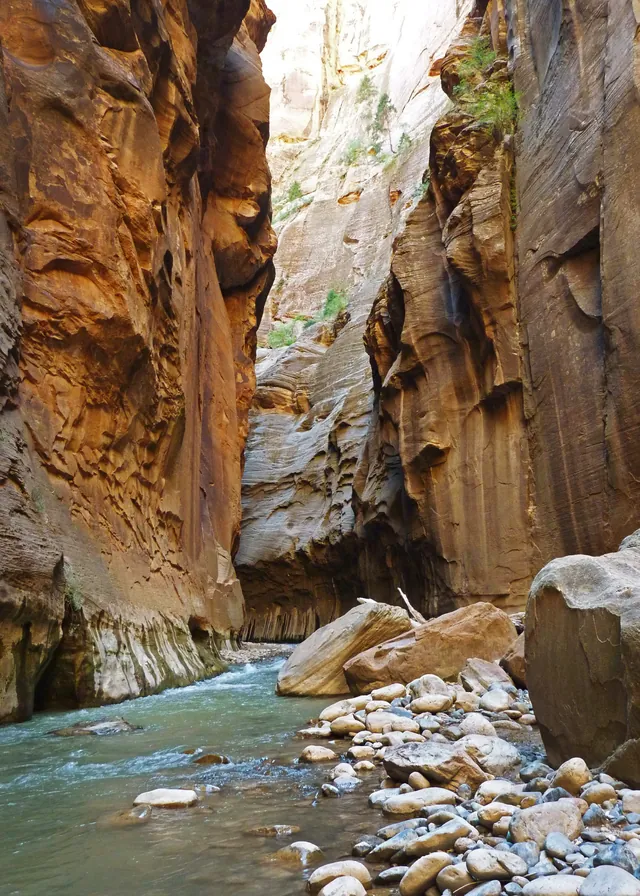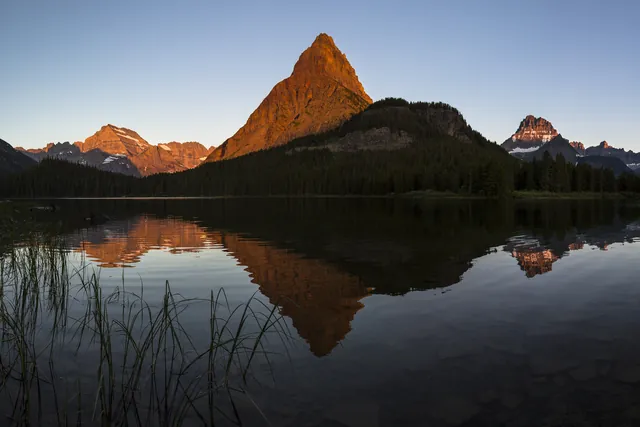

Choose Glacier for Going-to-the-Sun Road, or Waterton for a walkable lakeside village. Either choice depends on seasonal road access, and visiting both requires an international border crossing.
Choosing Glacier or Waterton
Deciding glacier vs waterton comes down to whether you want a large-scale alpine drive across high passes or a compact mountain base centered around a walkable lakeside townsite. Glacier provides 50 miles of continuous mountain driving on Going-to-the-Sun Road, climbing through deep glacial valleys up to Logan Pass at 6,646 feet. The park suits travelers who want to tour expansive valleys, spot wildlife on open subalpine slopes, and explore multiple distinct park districts across western and eastern Montana. The sheer scale of Glacier requires substantial driving time between valleys, advance route planning, and patience with crowded parking corridors during midsummer.
Plan Your Northern Rockies Stargazing Stay
Get early access to our pyramids near Bryce Canyon and Glacier, with priority booking to all locations.
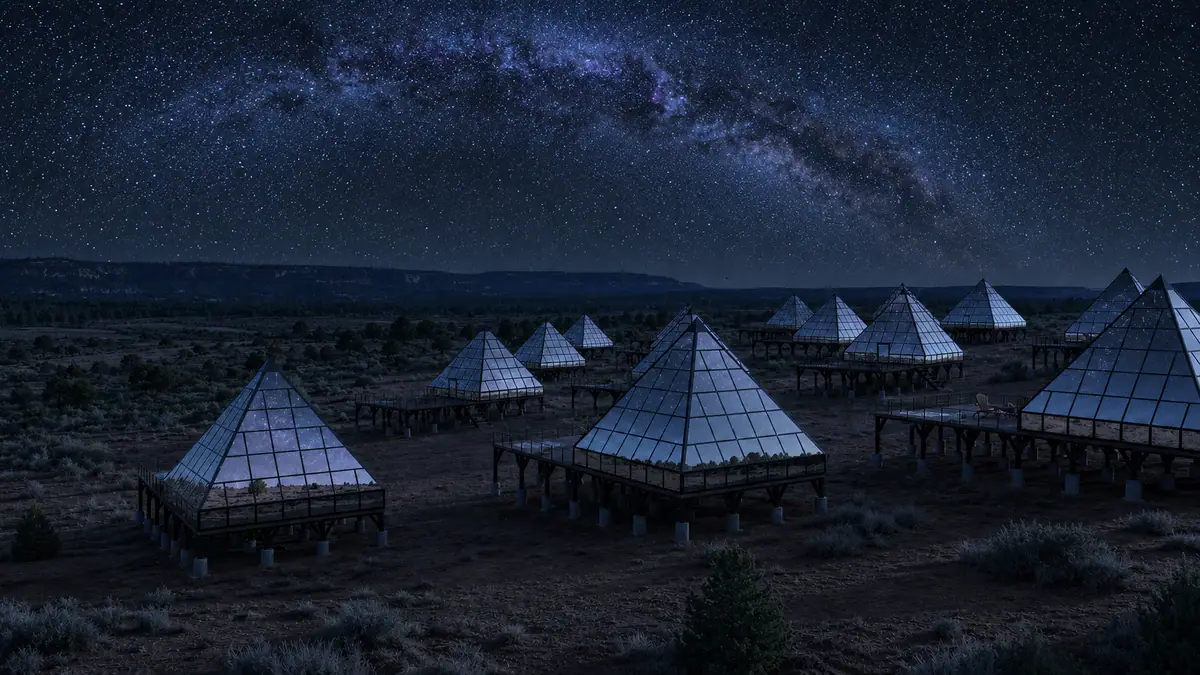
Concept renderings
Waterton Lakes National Park in Alberta delivers a more concentrated lakeside experience. Waterton village sits directly on the shores of Upper Waterton Lake, where you can park your vehicle once and walk to shops, shoreline paths, and dining in minutes. Shorter scenic spurs like the 15-kilometer Red Rock Parkway and the Akamina Parkway branch out directly from the entrance corridor, leading to colorful canyon formations and alpine day-use areas beneath Mount Blakiston.
Seasonality shapes both destinations. Snowpack governs when the alpine section of Going-to-the-Sun Road opens, which typically happens by early July. In Waterton, Red Rock Parkway opens seasonally to vehicles from May to late October, while Akamina Parkway remains open year-round with winter access ending at Little Prairie Day Use Area. A two-park itinerary also depends on seasonal access at the Chief Mountain crossing.
Glacier vs Waterton Compared
A direct comparison of Glacier and Waterton highlights clear differences in road networks, walking scale, village amenities, and seasonal operating dates.
| Decision criterion | Glacier | Waterton |
|---|---|---|
| Signature scenery | Glacial valleys, alpine cirques, and views from Logan Pass | Mountain peaks rising directly out of rolling prairie and lakeside bays |
| Walking and viewpoints | Subalpine ridgeline trails, lake shores, and waterfalls reached from highway corridors | Walkable townsite streets, Cameron Falls steps from parking, and canyon loops |
| Road experience | Continuous 50-mile Going-to-the-Sun Road with alpine switchbacks and size limits | Shorter parkway spurs including the 15-kilometer Red Rock Parkway and Akamina Parkway |
| Seasonal access | Alpine road typically open by early July into October, weather permitting | Red Rock Parkway typically open May to late October; Akamina has a winter vehicle terminus |
| Best-fit visitor | Drivers and hikers wanting full-day alpine corridor motoring and expansive backcountry trails | Travelers seeking a walkable lakeside village base with short, paved parkway excursions |
| Reason to change the plan | Heavy alpine snow delays road clearing, or narrow switchbacks do not fit your vehicle | Road or trail closures or closed international border crossings prevent your travel dates |
Glacier demands strict vehicle planning. National Park Service (NPS) regulations prohibit vehicles and combinations longer than 21 feet or wider than 8 feet between Avalanche Creek and Rising Sun. Vehicles taller than 10 feet can encounter rock overhangs between Logan Pass and the Loop. Waterton accommodates standard passenger vehicles easily along its paved parkways, though Red Rock Parkway remains narrow and may not be suitable for larger motor homes.
Your daily pace also differs between these landscapes. Glacier requires early morning starts to secure parking at high-elevation trailheads like Logan Pass, where parking stalls routinely fill by sunrise. In Waterton, the compact footprint allows you to leave your vehicle parked in the townsite and walk along the lakefront, stroll to Cameron Falls, or catch an interpretive presentation at the visitor centre without moving your car between activities.
Glacier for Going-to-the-Sun Road and Lake Days
Glacier centers its signature driving experience on Going-to-the-Sun Road, a 50-mile engineering landmark that spans the park from west to east. Driving the full 50 miles of Going-to-the-Sun Road without stopping takes approximately 2 hours. The road begins near West Glacier, runs along the eastern shoreline of Lake McDonald, and climbs past the Loop switchback toward Logan Pass. Logan Pass stands at an elevation of 6,646 feet, located 32 miles from the west entrance and 18 miles from the east entrance at St. Mary. The crest provides open vistas across subalpine meadows where bighorn sheep and mountain goats frequently graze near the parking area.
Along the eastern descent, Jackson Glacier Overlook affords the best opportunity to see a glacier from the road. The route continues past Rising Sun toward St. Mary, where grizzly bears are often seen near Two Dog Flats on the east side. Lower-elevation sections of the road maintain a 40 mph speed limit, while the winding alpine stretch between Avalanche Creek and Rising Sun drops to 25 mph for safety. Bicycle restrictions vary by season and direction of travel. Review the official Glacier directions and road guidance before planning a ride. For a future trip, review the official Going-to-the-Sun Road regulations.
Going-to-the-Sun Road is not the only district worth visiting in Glacier. Glacier maintains separate access points and park districts that provide distinct trail systems away from the central highway corridor. Facilities along Going-to-the-Sun Road include picnic areas at Apgar, Sprague Creek, Avalanche Creek, and Rising Sun, as well as visitor centers at Apgar, Logan Pass, and St. Mary. Food and summer lodging operate at Apgar Village, Lake McDonald Lodge, and Rising Sun, with an electric vehicle (EV) charging station available across from the Lake McDonald Lodge camp store.
Waterton for Lakeside Walks and Short Parkways
Waterton combines a compact, walkable community on Upper Waterton Lake with scenic mountain parkways that explore glacial valleys and prairie margins. The heart of the park is Waterton village, situated along the shoreline of Upper Waterton Lake. The townsite is remarkably walkable, allowing visitors to park almost anywhere and reach local dining, shops, galleries, and the marina on foot within minutes. Cameron Falls sits directly at the edge of the townsite, mere steps from parking, where an adjacent footbridge allows visitors to feel the spray of Cameron Creek against the rock walls.
Beyond the townsite, two paved scenic drives lead to distinct natural features. Parks Canada maintains the 15-kilometer Red Rock Parkway, which winds up the Blakiston Valley through rolling grasslands to Red Rock Canyon. At Red Rock Canyon, thick beds of red and green argillite rock flank stream beds beneath Mount Blakiston, the park's highest peak at 2,940 meters (9,645 feet). The road typically opens to motor vehicles from May to late October, offering brilliant wildflower displays in June.
The Akamina Parkway runs year-round deep into the Akamina valley, terminating at Cameron Lake. At Cameron Lake, visitors can rent boats, picnic along the shoreline, or take in views of sheer mountain walls. During winter months, vehicle plowing on Akamina Parkway ends at the Little Prairie Day Use Area, leaving the final 3 kilometers open for cross-country skiing and snowshoeing. Near the park's northern border along Highway 6, the summer Bison Paddock Loop Road allows drivers to view plains bison roaming native fescue grasslands from inside their vehicles.
Hiking Choices for Different Walking Abilities
Both parks feature extensive trail systems, but Waterton concentrates its shortest walks near town while Glacier disperses routes along its 50-mile highway corridor. Waterton maintains more than 200 kilometers of trails, with numerous short options suitable for gentle outings. The Linnet Lake Loop covers 1 kilometer return and takes approximately 20 minutes. The Townsite Loop provides a 3.2-kilometer walk around the village that takes about 1 hour. At the end of Red Rock Parkway, the self-guided Red Rock Canyon Loop spans 0.7 kilometers and requires about 20 minutes to complete. Hikers visiting Cameron Lake can walk the Cameron Lakeshore trail, a 3-kilometer return route that takes about 1 hour along the water's edge.
For more demanding days, Waterton provides strenuous day hikes with substantial elevation gains. The Bear's Hump trail climbs 2.8 kilometers return in about 1 hour. Experienced hikers can tackle the Crypt Lake trail, a 17.2-kilometer return route requiring about 6 hours. Other long routes include the 20.1-kilometer one-way Carthew-Alderson trail and the multi-day 32 to 36-kilometer Tamarack trail between the Akamina and Red Rock parkways.
Glacier requires hikers to navigate parking logistics at high-elevation trailheads. Prime hiking in Waterton runs from July through mid-September. Alpine passes often hold winter snowpack until late June or early July, creating lingering avalanche hazards on high-elevation routes. Hikers in both parks should carry bear spray and stay alert for wildlife encounters.
Seasonal Roads and a Two-Park Trip
Planning a two-park itinerary between Glacier and Waterton requires coordinating seasonal mountain road openings with international border operations. On Glacier's Going-to-the-Sun Road, plowing operations confront deep winter snow, rockslides, and spring avalanches. While lower elevations remain open all year, the alpine section over Logan Pass has no fixed opening date. It typically opens fully by early July and remains open until the third Monday of October, though sudden winter storms can force temporary or permanent closures at any time during autumn. Travelers can consult our guide on the best time to visit Glacier to align their schedule with historical road openings.
In Waterton, road seasons follow a similar mountain calendar. The Entrance Parkway and the lower stretch of Akamina Parkway remain open throughout the year, but Red Rock Parkway closes to motorized vehicles from late October through early May.
Chief Mountain Highway is one route between Glacier and Waterton when its seasonal border crossing is open. Officially opened in 1936, this highway climbs from grasslands near Maskinonge Lake to Chief Mountain lookout before reaching the seasonal border station, continuing south to St. Mary in Montana. Border documentation and entry requirements vary depending on traveler circumstances.
Planning a Stay Near Glacier
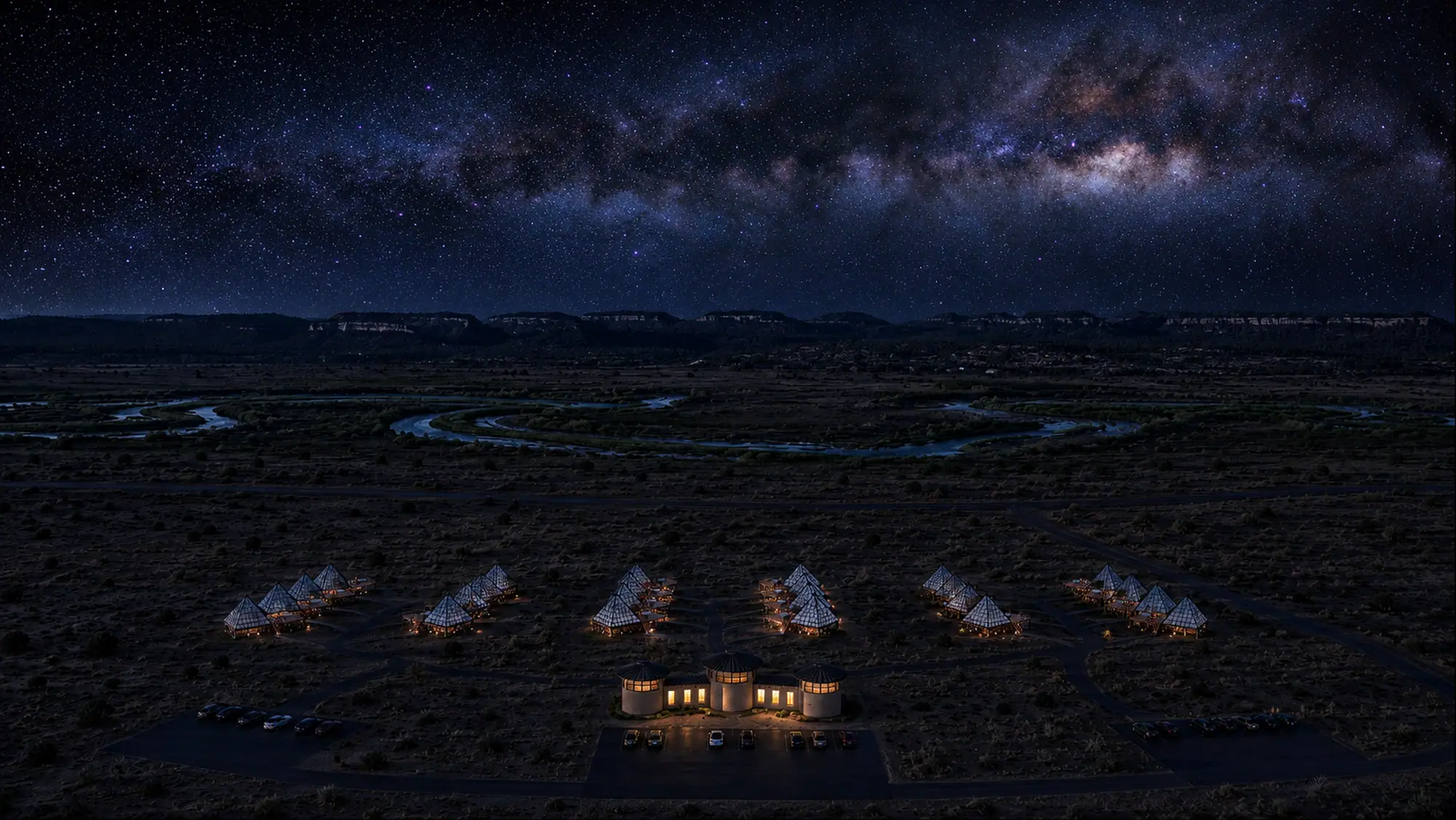
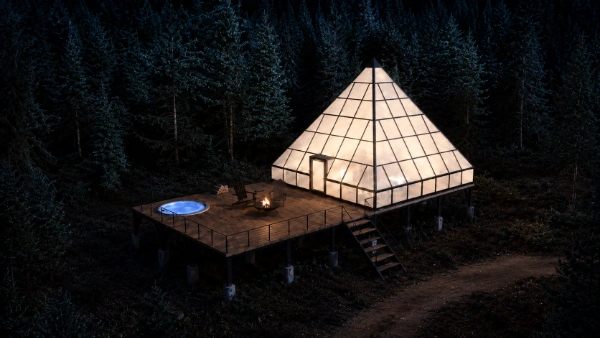
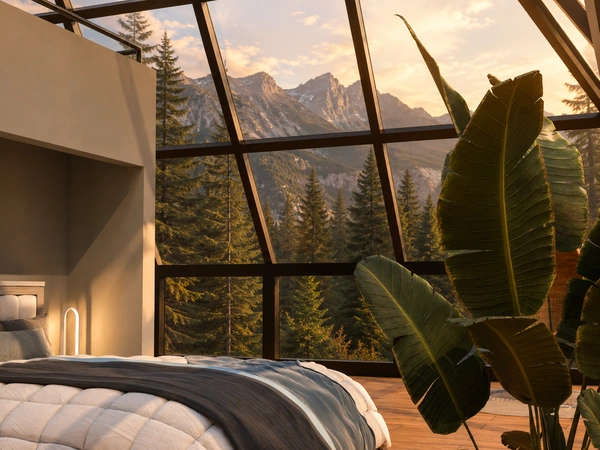
Selecting an accommodation base near Glacier's West Entrance provides direct morning access to Going-to-the-Sun Road while keeping regional dark skies within easy reach. Staying on the west side of Glacier positions you within minutes of the park's primary corridor, allowing you to reach Apgar Village and Lake McDonald before morning traffic peaks. At Dark Light Collection, we are developing luxury glass pyramids on private land located within 15 minutes of Glacier National Park's West Entrance, opening in 2027.
Our architectural pyramids are engineered specifically for night-sky immersion. Each structure features triple-pane smart privacy glass that shifts from transparent stargazing to total seclusion at a tap, alongside a premium king bed oriented directly beneath the apex for effortless sky-gazing. Signature amenities include an en-suite bathroom, a functional kitchenette, a private outdoor deck with heated loungers, a fire pit, and a personal deck telescope. When mountain skies are clear, guests can take in deep-sky sights without leaving their private sanctuary.
Founding reservations are open now through our reservation portal. Securing a founding reservation grants you first choice of pyramid size, view, and position in our Orion's Belt layout, along with locked-in introductory founding pricing. Under our Flexible Cancellation & Refund Policy, reservations are 100% refundable, less a $30 processing fee, when canceled up until 60 days before arrival. Within 60 days of arrival, reservations are nonrefundable, though we can help apply the value toward a future stay. If preferred dates are unavailable when our reservation calendar opens, or if we cannot fulfill your reservation, your payment is refunded in full less the processing fee. Timelines and designs can change as construction advances.
Our Takeaway on Glacier vs Waterton
The choice between Glacier and Waterton rests on whether your priority is driving an iconic 50-mile alpine highway or settling into a walkable lakeside townsite surrounded by short scenic parkways. Choose Glacier if you want to motor over Logan Pass on Going-to-the-Sun Road, view high-elevation glaciers from road turnouts, and hike extensive subalpine trail networks spanning multiple mountain districts. Glacier rewards travelers who are comfortable navigating crowded corridors, starting early to secure parking, and spending full days exploring expansive Montana valleys.
Choose Waterton if you prefer staying in a peaceful lakeside village where you can stroll along Upper Waterton Lake, walk to Cameron Falls, and drive relaxed scenic spurs like Red Rock Parkway and Akamina Parkway. Waterton is ideal for travelers who want dramatic mountain scenery meeting open prairie with shorter driving distances.
This decision changes if your travel dates fall outside the peak summer operating window. If you visit in June before Logan Pass clears of snow, Glacier's alpine road will remain closed to vehicular traffic, making Waterton's lower-elevation lakeside trails and open parkways more accessible. Conversely, if international border crossing logistics or seasonal port closures disrupt your route, focusing entirely on Glacier avoids cross-border paperwork. For your Glacier vs Waterton plans, explore our Glacier pyramids and make a founding reservation.
Frequently asked questions
What is the best month to go to Glacier?
Glacier is popular in summer for hiking and driving Going-to-the-Sun Road, as the alpine section over Logan Pass is usually fully open by early July. September can still be crowded, and early winter storms can prompt road closures.
Is Waterton worth visiting?
Waterton is well worth visiting for its walkable lakeside townsite, and scenic drives like the 15-kilometer Red Rock Parkway. It offers mountain scenery meeting open prairie alongside short trails like Cameron Falls and Red Rock Canyon.
Plan Your Northern Rockies Stargazing Stay
Get early access to our pyramids near Bryce Canyon and Glacier, with priority booking to all locations.
Reserve Your Pyramid Experiences & adventures →