
Choose Zion to hike through a river canyon along the Virgin River, or pick Grand Canyon for sweeping desert rim views over a mile-deep chasm. Zion National Park places you along the Virgin River, with free shuttles and direct river walks. Grand Canyon National Park showcases panoramic viewpoints along the South Rim, featuring scenic drives and year-round park access.
Which Park Fits Your Trip
Select Zion if you want to hike along a river canyon corridor, and pick Grand Canyon if you want panoramic viewpoints over an immense desert chasm. Zion centers the journey inside a river canyon you walk into along the Virgin River.
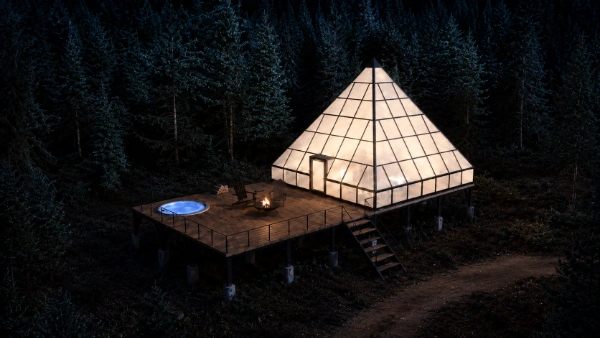
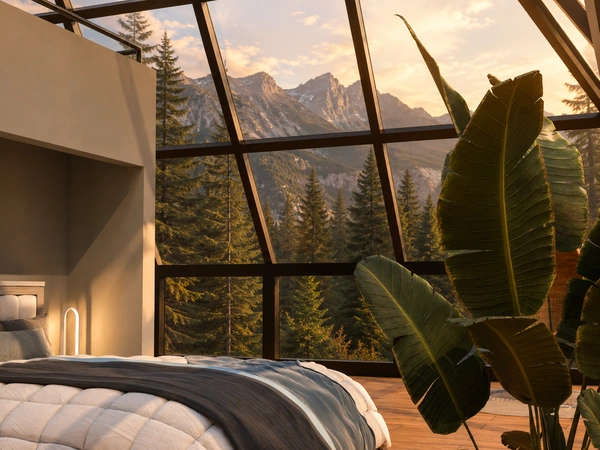
Plan Your Southwest National Park Stay
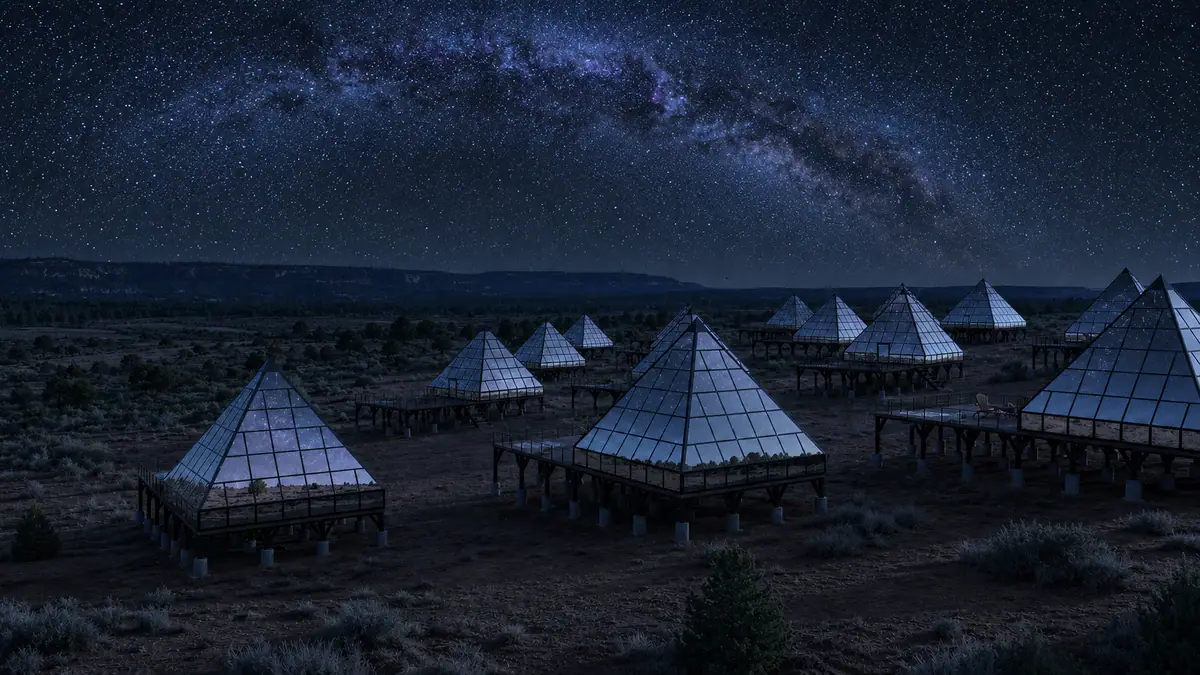
Get early access to our pyramids near Bryce Canyon and Glacier, with priority booking to all locations.
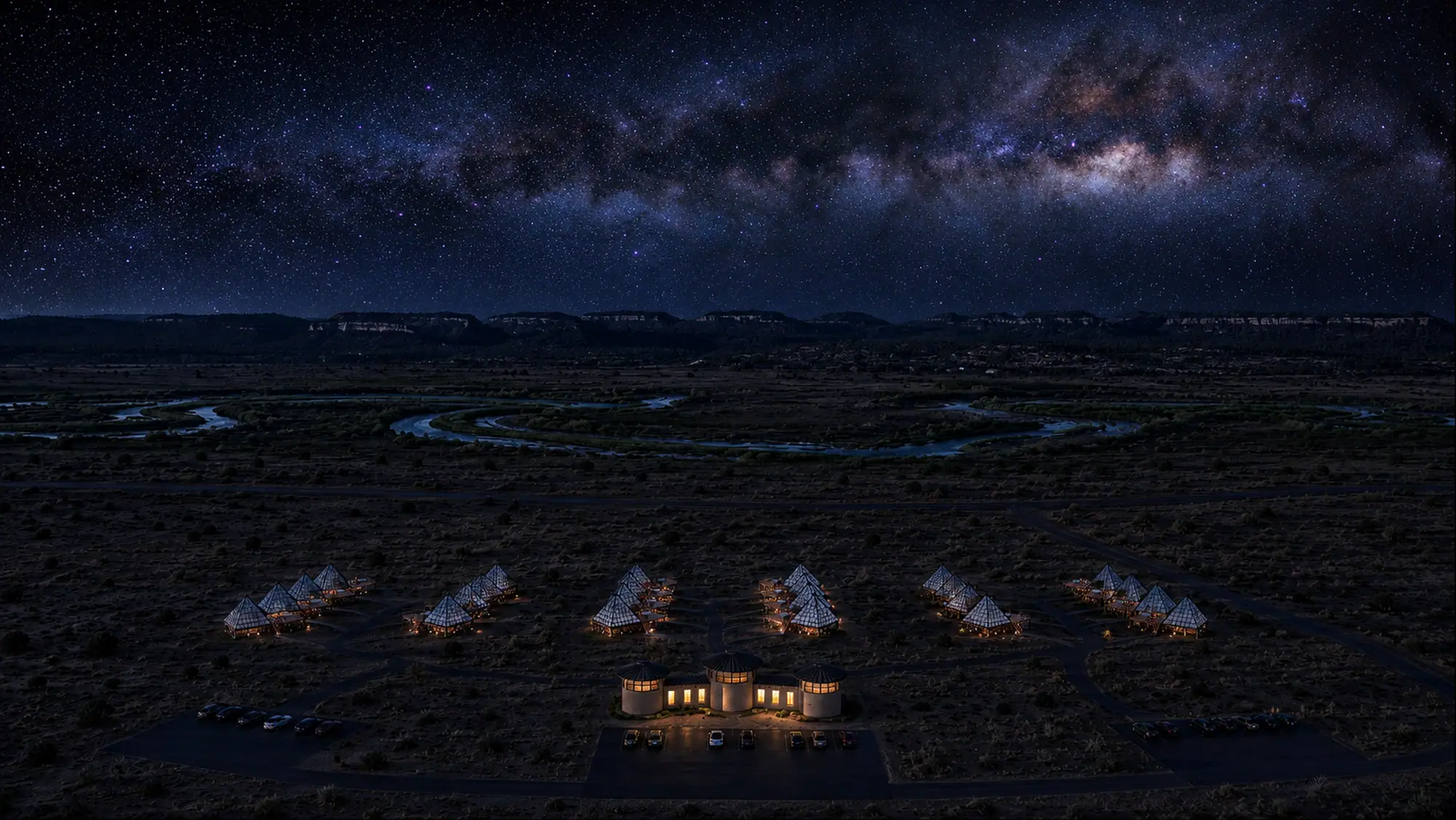
Concept renderings
Choose Grand Canyon if your trip centers on vast scale, sweeping desert overlooks, and year-round South Rim visits. The South Rim provides expansive vistas across a chasm that drops to the Colorado River. Visitors can travel between scenic overlooks along Desert View Drive and access facilities in Grand Canyon Village along the South Rim.
Your physical preferences and transit style help narrow the choice quickly. Zion provides a free shuttle system serving Zion Canyon and the neighboring town of Springdale.
Zion vs Grand Canyon Compared
| Feature | Zion National Park | Grand Canyon National Park |
|---|---|---|
| Canyon perspective | Canyon floor of a river canyon you walk into | High rims looking down into a mile-deep canyon |
| Vehicle access | Free shuttle system serves Zion Canyon and Springdale | Free village shuttle system; road locations include Desert View Drive |
| Visitor services | Camping and lodging options available in and around the park | South Rim camping, lodging, and food available year-round |
| Winter accessibility | Open all year with seasonal visitor center hours | South Rim open 24 hours a day, 365 days a year |
| River feature | Virgin River flowing through the canyon | Colorado River at the base of the canyon |
Zion Experiences
Visiting Zion centers on the canyon floor, where free shuttles transport travelers along Zion Canyon to riverside trailheads. Travelers navigate using the free Zion Canyon shuttle system, which operates separate lines in Zion Canyon and Springdale, with private vehicle access on Zion Canyon Scenic Drive restricted during shuttle season.
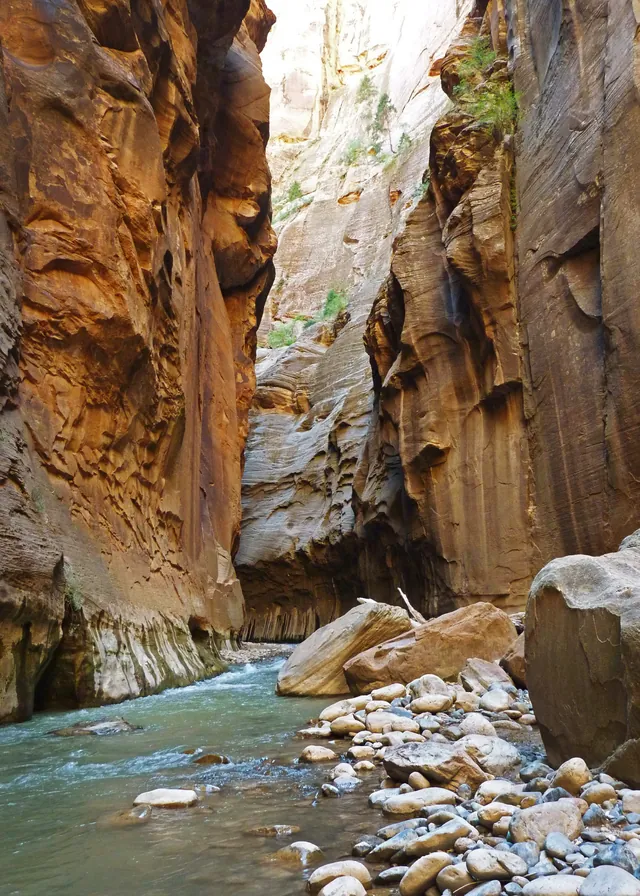
From the Temple of Sinawava, visitors walk the paved Riverside Walk to reach the Virgin River. Continuing upstream to hike the Narrows bottom-up as far as Big Spring requires no permit. High water or flash flood risks can close the route.
Beyond the riverbed, the park provides outdoor activities ranging from hiking to stargazing. While Angels Landing requires a permit, most areas in Zion Canyon do not require a permit once you have a valid pass. Discover more regional excursions in the guide to things to do in Zion National Park.
Grand Canyon Experiences
Grand Canyon National Park centers on dramatic vistas across a canyon, with 90 percent of travelers visiting the South Rim. Visitors can explore Grand Canyon Village and South Rim locations including Scenic Hermit Road and Scenic Desert View Drive. The South Rim provides a free shuttle bus system that loops through Grand Canyon Village and transports travelers to canyon overlooks.
The inner canyon includes everything below the rim and is seen mainly by hikers, backpackers, mule riders, or river runners. Hardy visitors can plan backpacking treks or take river trips on the Colorado River that last anywhere from several days to three weeks. The National Park Service (NPS) explains that the inner canyon is a harsh desert environment with little shade and summer temperatures over 100°F.
Choosing Zion vs Grand Canyon for Hiking
Distinguish a dry riverside walk from an in-river hike at Zion. At Grand Canyon, choose between South Rim viewpoints and a below-rim descent. The Riverside Walk leads visitors along the Virgin River.
Continuing past the paved Riverside Walk into the Virgin River to hike the Narrows bottom-up upstream to Big Spring requires no permit. Travelers need appropriate conditions and river preparation.
At Grand Canyon, hiking below the rim involves descending into the canyon before climbing back up. While the 21-mile Rim to Rim hike typically requires an overnight trip, the route is currently unavailable because the entire North Kaibab Trail remains closed from August 29, 2026 flash flood damage. During the summer months, high temperatures inside the canyon often average over 105°F.
Along the South Rim, walking at an average elevation of 7,000 feet can be strenuous. Shuttle stops connect canyon overlooks, letting visitors take in panoramas without descending below the rim.
Seasonal Access and Weather Shifts
Operating schedules and weather hazards create different travel seasons for Zion and the two rims of the Grand Canyon. Zion National Park remains open all year, though visitor center hours change seasonally. The Zion planning resources confirm that general park entry does not require a permit or reservation.
The South Rim is open year-round, with lodging, camping, and food available through the year. Individual facilities, roads, and trails may close or change hours. November through February brings the least crowded time to the South Rim, though winter weather is a major consideration.
According to North Rim status updates, the campground and general store closed October 15. The bulletin lists limited day use through November 30, 2026, or the first major snowstorm, with no fuel available.
Summer weather brings distinct environmental hazards that require visitor vigilance. At Grand Canyon, summer thunderstorms from July through September produce dangerous lightning that has killed and injured visitors to the park.
Inner canyon summer temperatures exceed 100°F, with little shade below the rim. Flash floods also impact trails; on August 29, 2026, extensive flood damage closed the entire North Kaibab trail on the North Rim.
Planning Time and Park Transit
Zion operates two separate free shuttle lines rather than one town-to-trailhead bus. The Springdale Line runs between town stops and the pedestrian and bicycle entrance at Zion Canyon Village.
The Zion Canyon Line serves trailheads along the scenic drive. Riders do not need a shuttle reservation or permit to ride a park shuttle. The normal park entrance fee or valid pass is separate, as detailed on the Zion Canyon Shuttle System page.
During shuttle season, private vehicles without authorized access cannot use Zion Canyon Scenic Drive, including before the first morning bus and after the final evening run. You cannot board an up-canyon shuttle at Canyon Junction or the Human History Museum; the visitor center is an actual starting point. Avoid waiting for the final shuttle of the day, because a full or missed bus can leave a long walk back to the visitor center.
Reaching a trailhead does not mean that the actual hike is open. Temple of Sinawava gives access to the paved Riverside Walk, but high river flow or flash flood conditions can close the in-river Narrows route. Winter ice, snow, rockfall, or congestion can also close the Zion-Mount Carmel Highway, so consult the Zion conditions page before treating private driving as an alternative.
Free shuttles serve Grand Canyon Village and the South Rim area. A South Rim viewpoint visit does not require driving to the opposite rim, as outlined on the Grand Canyon basic information page.
The drive between South Rim Village and North Rim Village covers 215 miles and takes 4 to 5 hours. Before planning that route, check the Grand Canyon North Rim status page. Operations offer limited day use while seasonal services and the North Kaibab Trail remain closed.
Terrain and Walking Considerations for Groups
Group members with different physical endurance face different terrain challenges, from high-elevation walking at the Grand Canyon to riverbed footing at Zion. Scenic shuttle buses allow travelers to access canyon overlooks along the South Rim.
Zion provides the Riverside Walk along the Virgin River. Visitors can choose the paved Riverside Walk, whereas wading upstream into the Narrows requires navigating uneven, slippery river rocks.
Night Skies and Regional Bases
Staying in Springdale provides shuttle access to Zion Canyon, while Grand Canyon Village offers lodging and campgrounds on the South Rim. At Dark Light Collection, we are building glass pyramids on private land near Bryce Canyon, opening in 2027.
Our Bryce location is about one hour from Zion National Park. Bryce Canyon National Park is about 15 minutes away.
Founding guests secure first choice of pyramid size, view, and position alongside locked-in introductory founding pricing through founding deposits, with reservations available on the reservation page. Under the Cancellation & Refund Policy, you can cancel for any reason up until 60 days before arrival for a full refund, less a $30 processing fee. Development timelines and designs can change.
Read our detailed comparison of Bryce Canyon vs Zion.
Our Takeaway on Zion vs Grand Canyon
Choose Zion for a river canyon you walk into. Choose Grand Canyon for panoramic horizon views over an expansive chasm.
Zion gives you an active journey walking along the Virgin River with free shuttle transit from Springdale. Grand Canyon provides cultural history, overlooks along Desert View Drive, and year-round lodging and dining on the South Rim.
If the planned road or trail is closed, choose an available route that fits your group. Choose the paved Riverside Walk rather than the in-river hike if uneven wet footing does not suit your party. Check Zion's current conditions and Grand Canyon's conditions before choosing your routes.
Zion officially lists stargazing as a park activity. At Dark Light Collection, our planned glass pyramids near Bryce Canyon provide personal deck telescopes for stargazing after day trips to Zion.
Frequently asked questions
Which is better for a first visit, Zion or Grand Canyon?
Choose Zion for riverside walks, with river hikes dependent on conditions. Grand Canyon is better if you want to see expansive horizons across a gorge from high desert overlooks.
How does the Riverside Walk differ from the Narrows?
Visitors can choose the paved Riverside Walk, whereas wading upstream into the Narrows requires navigating uneven, slippery river rocks. Continuing into the river depends on current conditions.
Which park suits shorter walks?
Both parks offer walking options, but they differ in terrain and altitude. Zion features the Riverside Walk along the Virgin River, while the Grand Canyon provides overlooks along the South Rim.
Does the season change which park to choose?
Seasonality affects park accessibility. Zion remains open all year with seasonal visitor center hours, while Grand Canyon keeps its South Rim open year-round with limited late-fall access and winter closures on the North Rim.
What should I check before booking?
Before booking, review Zion current conditions, the Zion shuttle schedule, and Grand Canyon current conditions. Zion does not require a reservation to enter, but specific activities like wilderness camping or hiking Angels Landing require advance permits.
Plan Your Southwest National Park Stay
Get early access to our pyramids near Bryce Canyon and Glacier, with priority booking to all locations.
Reserve Your Pyramid Experiences & adventures →