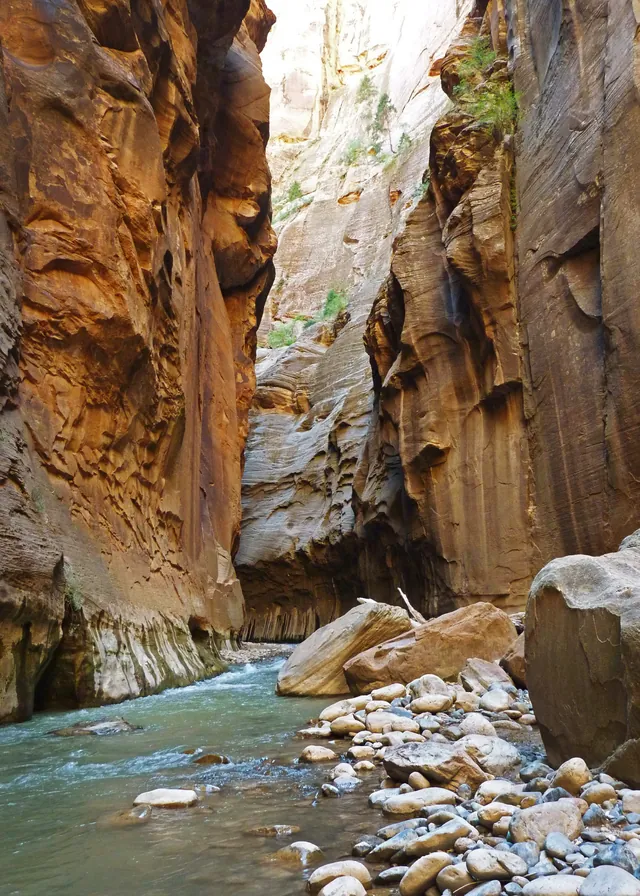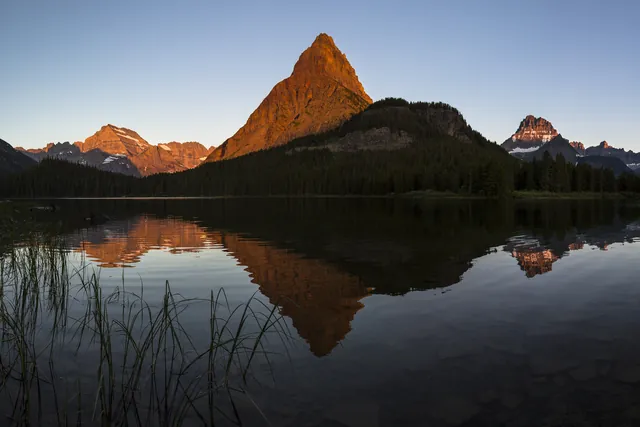

Choose Bryce Canyon for a compact first visit to hoodoo overlooks and a high-plateau night sky, or Yosemite for granite cliffs, spring waterfalls, and giant-sequoia groves. Yosemite Valley access and seasonal high-country access present separate planning questions.
Choosing Bryce Canyon or Yosemite
Bryce Canyon fits travelers who want concentrated hoodoo vistas along a high rim, while Yosemite serves visitors seeking sheer granite walls, waterfalls, and expansive alpine meadows. Bryce Canyon sits along the edge of a high plateau between 8,000 and over 9,000 feet. The park displays a series of natural amphitheaters carved into rock spires called hoodoos. Yosemite preserves a sprawling Sierra Nevada landscape carved 3,000 feet into solid granite by glaciers and rivers. That landscape includes Yosemite Valley, subalpine meadows, and ancient giant sequoias.
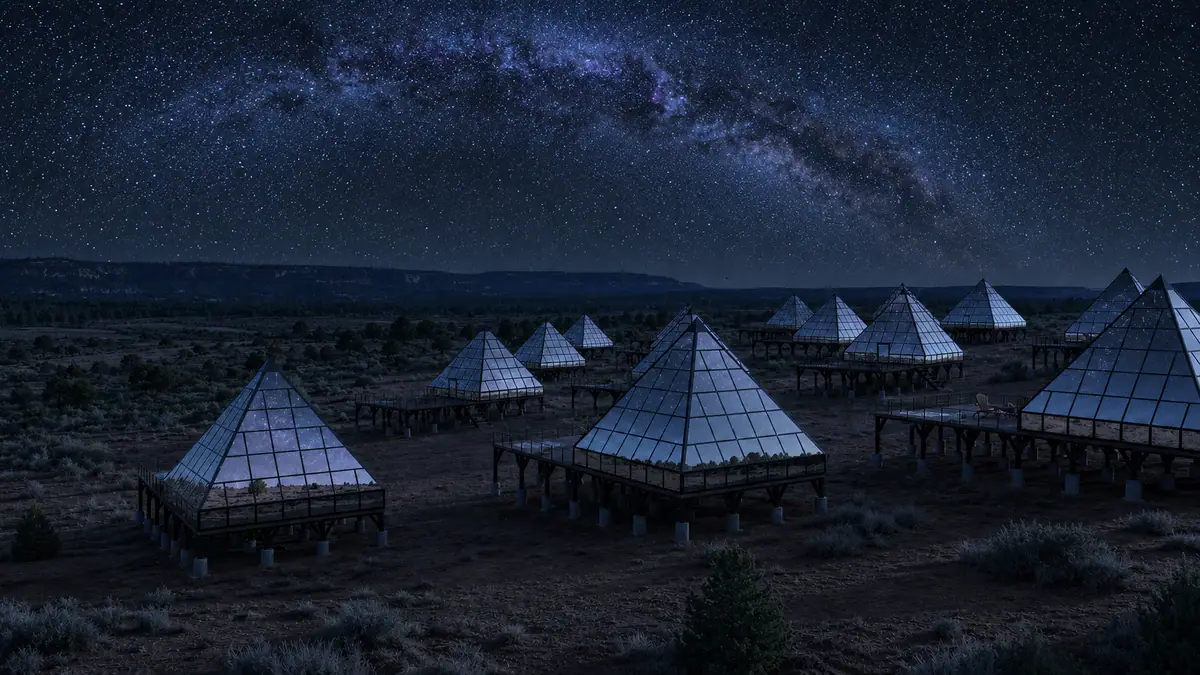
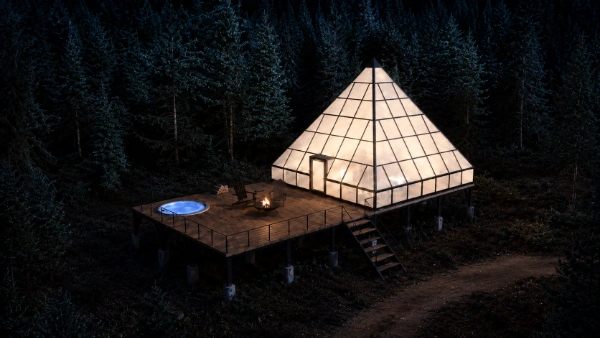
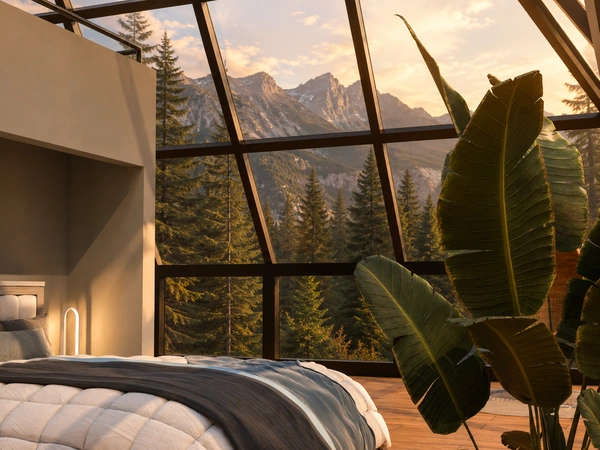
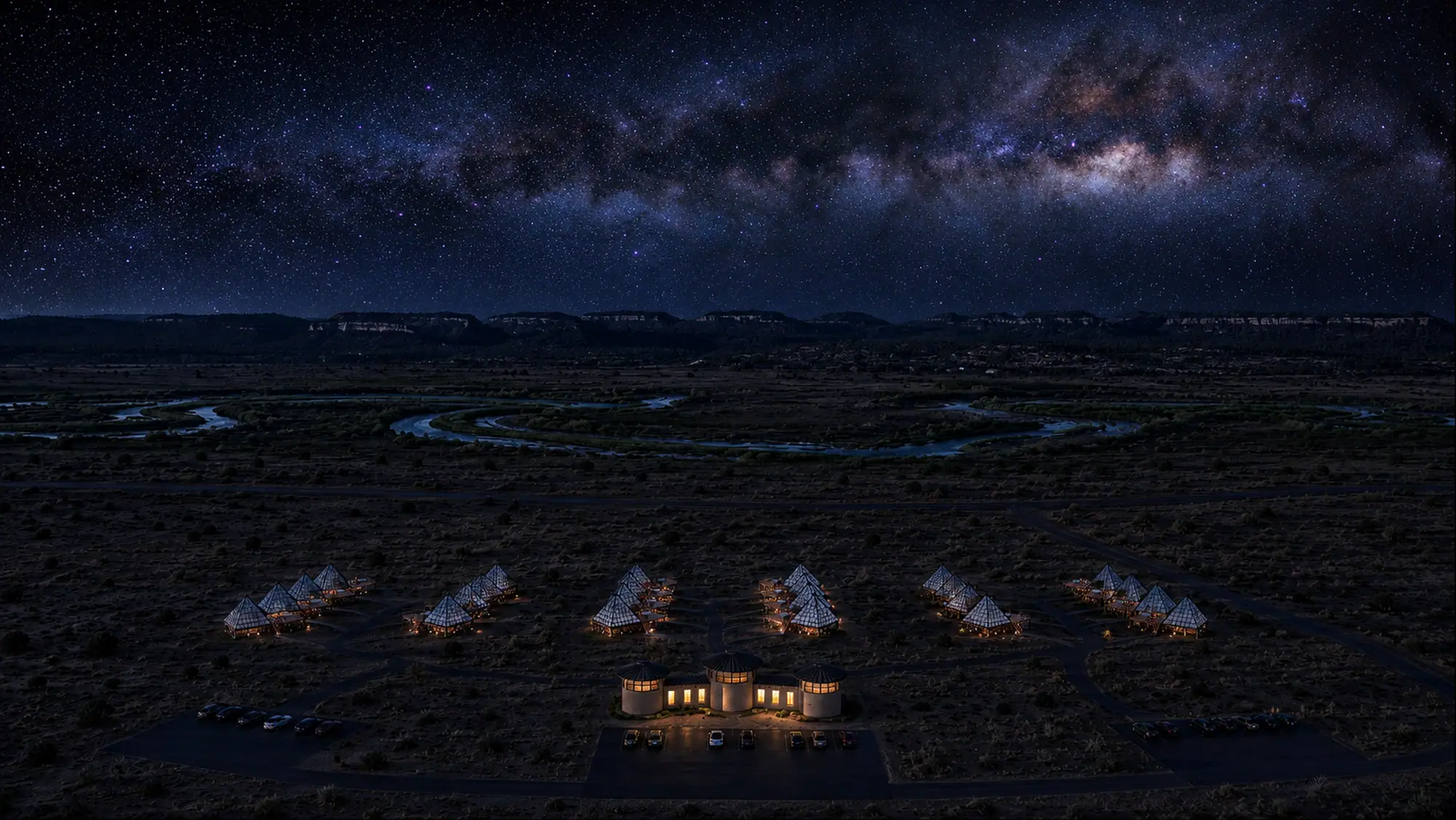
Stay Under the Stars Near Bryce Canyon
Get early access to our pyramids near Bryce Canyon and Glacier, with priority booking to all locations.
Concept renderings
Your trip style also determines which destination works best. At Bryce Canyon, visitors can see the park's primary amphitheater vistas from four main overlooks along the first three miles of the park road. You can take in red-rock panoramas without committing to long wilderness approaches. Yosemite requires choosing among distinct park regions that sit miles apart, including Yosemite Valley, Hetch Hetchy in the northwest corner, Wawona, Mariposa Grove, and Tuolumne Meadows along Tioga Road.
A shorter visit fits Bryce Canyon cleanly because the main road runs 18 miles from end to end. Yosemite requires more driving between areas and demands careful attention to seasonal road openings across the high country.
Bryce Canyon vs Yosemite Compared
| Decision criterion | Bryce Canyon | Yosemite |
|---|---|---|
| Signature scenery | Intricate rock spires and natural amphitheaters carved into a high plateau | Sheer granite cliffs, deep glacial valleys, and rushing waterfalls |
| Walking and viewpoints | Rim walks connecting four main amphitheater overlooks and descents into the hoodoos | Valley floor walks beneath sheer cliffs, meadow paths, and grove trails |
| Road experience | Single 18-mile road with four main overlooks concentrated in the first three miles | Multiple distinct routes linking separate regions across the Sierra Nevada |
| Seasonal access | Year-round access with high-elevation winter snow; shuttle runs April to October | Yosemite Valley accessible by car year-round; Tioga Road closed in winter |
| Best-fit visitor | Travelers wanting compact sightseeing, rim viewpoints, and dark night skies | Visitors seeking big-wall granite vistas, spring waterfalls, and ancient sequoia groves |
| Reason to change the plan | Preference for deep river valleys, waterfalls, or large-scale alpine backcountry | Heavy winter snowfall closing Tioga Road or late-season drying of waterfalls |
The physical terrain dictates how you explore each destination. Bryce Canyon clusters its most famous formations along the Bryce Amphitheater rim. Travelers can reach panoramic lookouts with modest walking from designated parking areas. Yosemite spreads its attractions across distinct regions.
Road planning also separates the two parks. Navigating Bryce Canyon involves an 18-mile out-and-back route where drivers can head straight south to Rainbow Point and stop at viewpoints on the return drive. Yosemite involves several distinct mountain highways leading to separate park sections, with seasonal winter snow dictating which corridors remain open to vehicle traffic.
Bryce Canyon for Hoodoo Overlooks and Short Visits
Bryce Canyon provides efficient sightseeing because its four primary overlooks sit within the first three miles of the park road. These viewpoints include Bryce Point, Inspiration Point, Sunset Point, and Sunrise Point. Each lookout reveals views of the Bryce Amphitheater, where thousands of delicate hoodoos stand grouped together across deep bowls. The National Park Service notes that a stay of one to three hours works well for travelers focusing on these main amphitheater highlights.
A one to three hour visit does not cover the entire park. The full Bryce Canyon scenic drive extends 18 miles south to Rainbow Point and Yovimpa Point at elevations exceeding 9,000 feet. Travelers taking longer trips drive to the southern end of the road first and take in turnouts on their way back north.
Walking options in Bryce Canyon range from level rim paths to steep canyon descents. According to official Bryce Canyon day-hike details, the paved Sunset to Sunrise section of the Rim Trail covers 1.0 mile round trip with 40 feet of elevation gain, taking about 1 hour. Pets are allowed on this paved walk. For hikers who want to descend among the rock spires, the Queen's Garden and Navajo Combination Loop covers 2.9 miles with 625 feet of elevation gain, taking two to three hours. Because Bryce trails descend from the rim, every return trip requires an uphill climb at high elevation.
Yosemite for Granite Cliffs and Waterfalls
Yosemite Valley features vertical granite walls and towering waterfalls carved 3,000 feet into the rock by ancient glaciers and rivers. Yosemite Valley remains accessible by car year-round, subject to current road and weather conditions. Landmark rock formations like Half Dome rise above flat valley meadows and rivers. The scale of the valley encourages visitors to stop at roadside view turnouts like Tunnel View or walk gentle paths across valley floor meadows.
Waterfalls define the valley during the early months of the travel season. Yosemite is home to countless waterfalls, including Yosemite Falls. Spring is the best time to see waterfalls because melting Sierra winter snowpack feeds the falls with peak runoff. Waterfall flow is not guaranteed in late summer or autumn, because many cascades shrink to thin trickles or dry up completely once the high-elevation snowpack melts away.
Geology creates an absolute visual contrast between the two parks. Bryce Canyon displays intricately carved rock spires called hoodoos. Yosemite displays massive grey granite monoliths rising thousands of feet into alpine skies above green pine forests.
Giant Sequoias and High-Country Yosemite
Beyond Yosemite Valley, Yosemite preserves ancient giant sequoia groves and open subalpine meadows across its higher elevations. Official Yosemite places to go guidance highlights Mariposa Grove as the park's largest sequoia grove. Mariposa Grove protects more than 500 mature giant sequoias. Walking beneath these colossal trees provides a forest setting that contrasts sharply with the exposed rock amphitheaters of southern Utah.
Glacier Point is an overlook in Yosemite that provides a commanding view of Yosemite Valley, Half Dome, Yosemite Falls, and the surrounding Sierra high country. Glacier Point is located within Yosemite National Park in California and is entirely separate from Glacier National Park in Montana. The overlook delivers expansive perspectives over the valley floor thousands of feet below.
Tuolumne Meadows sits along Tioga Road in Yosemite's high country. It features a large, open subalpine meadow framed by the winding Tuolumne River, granite domes, and jagged mountain peaks. In the park's northwest corner, Hetch Hetchy Valley offers another peaceful valley setting that travelers can visit across all four seasons.
Seasonal Roads and Flexible Itineraries
Seasonal weather shapes road access and itinerary planning differently in Bryce Canyon compared to Yosemite. Bryce Canyon sits between 8,000 and 9,115 feet in elevation, bringing freezing temperatures and winter snowpack to the plateau rim. Between April and October, the park runs a free shuttle service in the Bryce Amphitheater area to relieve vehicle congestion at the four main overlooks.
In Yosemite, Yosemite Valley remains open to cars throughout the year, but high-elevation roads close for winter conditions. Tioga Road crosses the Sierra Nevada and provides vehicle access to Tuolumne Meadows. The National Park Service begins snow clearing on Tioga Road on or about April 15 each year. Plowing operations usually take between one and two months.
Predicting the exact opening date of Tioga Road is not possible even in late spring, because April and May weather significantly affects plowing progress. Glacier Point Road also closes seasonally for winter snow. Travelers visiting Yosemite before seasonal roads open must focus their trips around Yosemite Valley, Wawona, and Hetch Hetchy. Before an early-summer visit, check Yosemite road status before assuming high-country passes will be clear.
Night Skies and a Bryce Canyon Stay
Bryce Canyon offers stargazing from its high-altitude plateau. At elevations exceeding 8,000 feet, the night sky over the rim reveals thousands of stars and clear views of the Milky Way. Stargazing programs and night viewing are central parts of the Bryce Canyon experience.
At Dark Light Collection, we are designing luxury glass pyramids on private land about 15 minutes from Bryce Canyon National Park, opening in 2027. We are also developing luxury glass pyramids within 15 minutes of Glacier National Park's West Entrance in Montana. Each pyramid features triple-pane smart privacy glass that tints at a tap, a premium king bed positioned for effortless sky-gazing, an en-suite bathroom, a kitchenette, and a private deck with heated outdoor loungers, a personal telescope, and an outdoor fire pit.
Founding deposits are open now through our reservation portal. Founding guests receive first choice of pyramid size, view, and position, alongside locked-in introductory founding pricing. Under our Cancellation & Refund Policy, reservations are 100% refundable, less a $30 processing fee, for cancellations made up until 60 days before scheduled arrival. Within 60 days of arrival, payments become nonrefundable, though we will help apply the value toward a future stay. If your preferred dates are unavailable when the booking calendar opens, or if we cannot open or fulfill the reservation, we refund your payment in full, less the $30 fee. Timelines and designs can change as development progresses.
Our Takeaway on Bryce Canyon vs Yosemite
Choose Bryce Canyon if you want a compact visit centered on hoodoo overlooks, accessible rim walking, and stargazing from a high plateau. Choose Yosemite if your priority is experiencing colossal granite cliffs, spring snowmelt waterfalls, and walking among 500 mature giant sequoias in Mariposa Grove.
Bryce Canyon is not the right choice for travelers seeking deep river valleys, rushing waterfalls, or multi-day alpine journeys across high mountain passes. Yosemite is not suited for visitors who want quick roadside access to every major park highlight within a single short morning, or for those traveling in early spring who require access to high-elevation passes like Tioga Road.
Weather conditions can change this decision quickly. Heavy late-spring snowstorms delay the opening of Tioga Road and Glacier Point in Yosemite, shifting travel toward low-elevation valley viewpoints. In contrast, late-summer dry periods diminish Yosemite's waterfall flows, making the year-round hoodoo formations of Bryce Canyon a more consistent geological sight.
Check official road and trail status on the Bryce Canyon and Yosemite park pages to resolve your bryce canyon vs yosemite choice. For your Bryce Canyon vs Yosemite plans, explore our Bryce Canyon pyramids and make a founding reservation.
Frequently asked questions
How long does it take to drive the scenic drive in Bryce Canyon?
Driving time varies with stops and walks along the route. The full main road runs 18 miles to Rainbow and Yovimpa Points, with visitors stopping at viewpoints on the return drive. A shorter visit of one to three hours focuses primarily on the four main viewpoints in the Bryce Amphitheater area along the first three miles of the road.
How are Bryce Canyon and Yosemite different?
Bryce Canyon features intricate rock spires called hoodoos clustered in natural amphitheaters on a high plateau between 8,000 and over 9,000 feet. Yosemite showcases massive granite monoliths, deep glacial valleys, seasonal waterfalls, giant sequoia groves, and high-country subalpine meadows spread across multiple distinct regions of the Sierra Nevada.
Stay Under the Stars Near Bryce Canyon
Get early access to our pyramids near Bryce Canyon and Glacier, with priority booking to all locations.
Reserve Your Pyramid Experiences & adventures →