
A glamping packing list starts with layers, sturdy shoes and the personal supplies you need for park days. At Dark Light Collection, we are planning glass pyramids near Bryce Canyon and Glacier with a king bed, en-suite bathroom and kitchenette. Pack for the weather outside, then ask our team about the items supplied for your planned stay.
What to Pack for Glamping
Pack for changing weather and scenic trail days, with a separate bag for the items you need on the drive. Hiking shoes, a daypack and a rain jacket belong near the top of your glamping packing list. Keep a warm layer easy to reach when a sunny afternoon gives way to a cool evening.
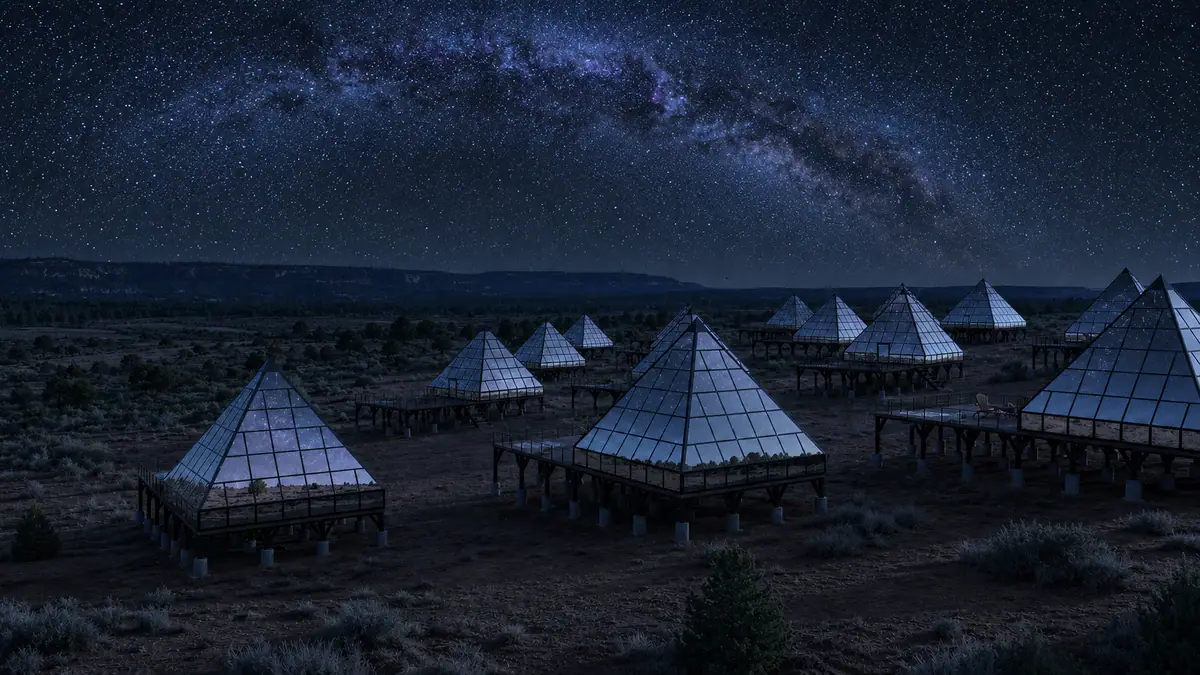
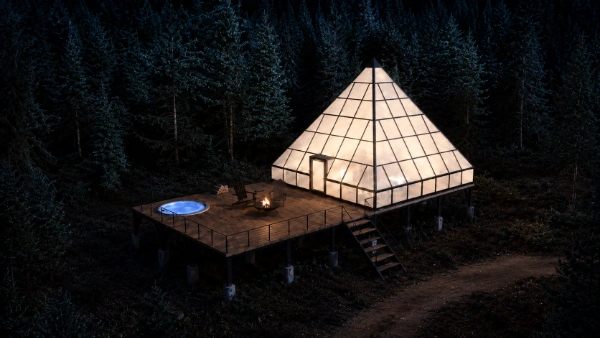
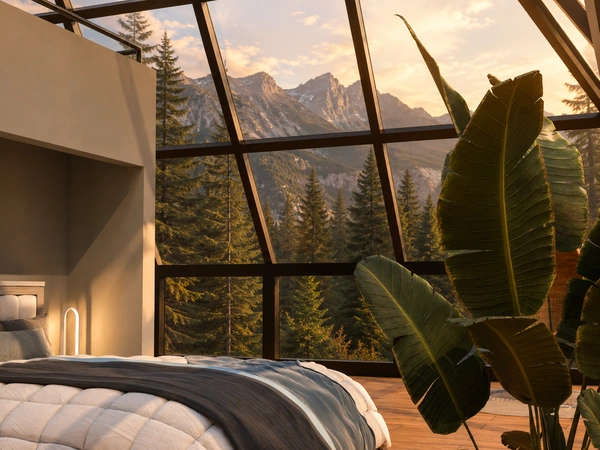
Pack for Park Days and Nights Under Glass
Get early access to our pyramids near Bryce Canyon and Glacier, with priority booking to all locations.
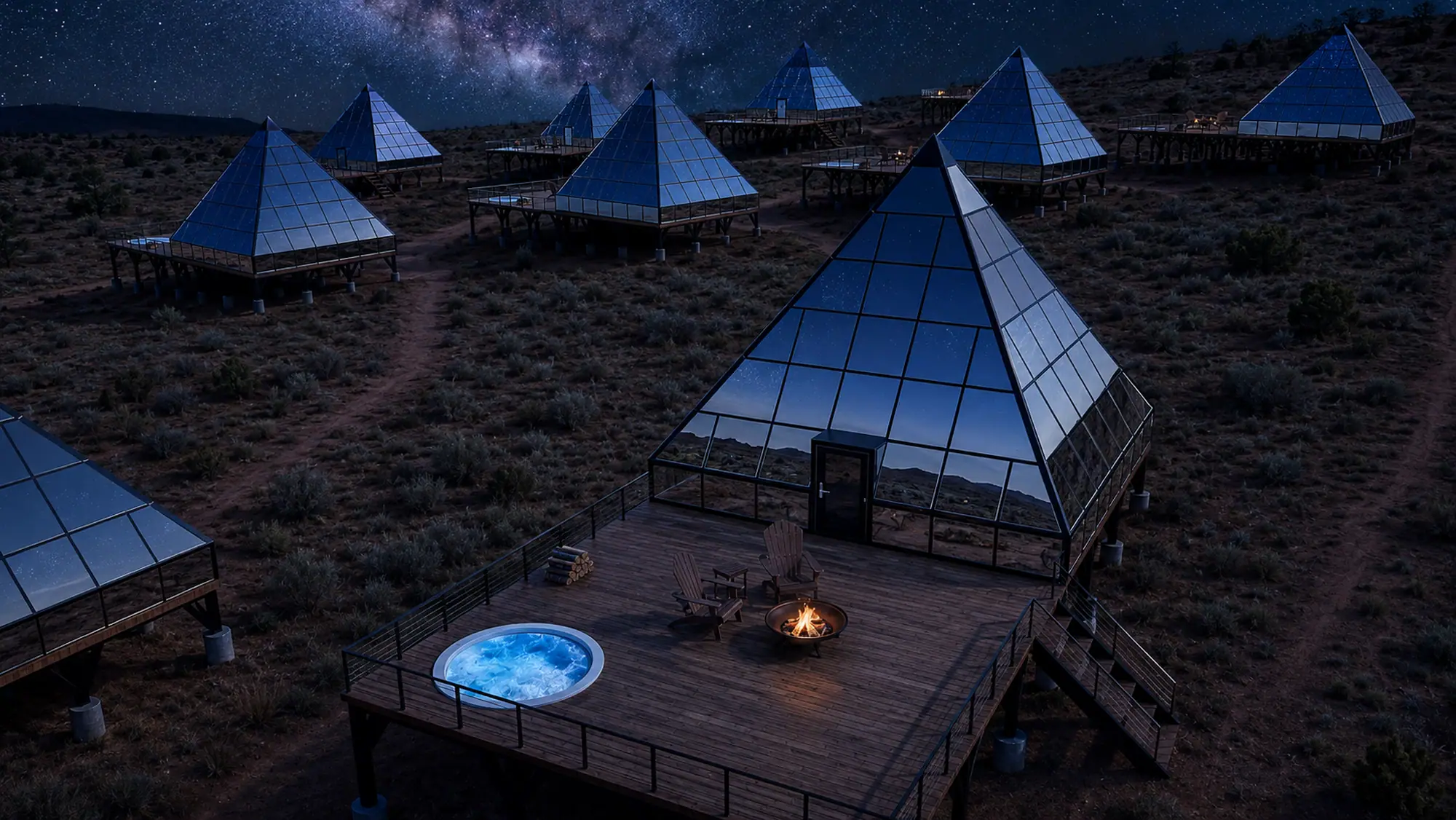
Concept renderings
For a cat or dog, pack the animal’s equipment separately after asking about bringing your animal for the planned stay. The pet booking checklist covers the booking and care questions to ask before your trip.
- A suitable travel carrier for a cat or a safe vehicle restraint for a dog.
- Identification, relevant records and your veterinarian’s contact details.
- Food, water, bowls and the animal’s usual prescribed supplies.
- A leash and waste bags, plus litter supplies for a traveling cat.
- Booking details and a confirmed attending companion or care arrangement for restricted hikes.
Keep these supplies reachable during the drive so a quick stop does not require unpacking the whole car. Put the human daypack beside the pet bag, with the equipment you will need at the first park stop.
- Layers: pack a warm layer for the evening and a lighter layer for walking.
- Rain jacket: keep one available for mountain showers and wind.
- Hiking shoes: choose footwear with dependable grip for the routes you plan to walk.
- Daypack: leave room for water, trail snacks and a spare layer.
- Water bottle: bring one for each person in your group.
- Charging cables: pack the exact cables your phone, camera and other devices use.
- Headlamp: use a personal light for the walk between your car and an evening viewpoint.
- Personal toiletries: bring your toothbrush, sunscreen and everyday care items.
- Medications: keep your usual prescribed supplies in your travel bag.
- Park pass: bring your pass or plan to pay admission at the park entrance.
- Bear spray for Glacier: the National Park Service advises carrying it during spring, fall and winter because bears remain active.
The America the Beautiful pass guide explains the federal pass options. Settle passes and personal supplies before the drive so your first morning can begin with the park.
Packing for Your Glass Pyramid Stay
Our planned glass pyramids combine a king bed with an en-suite bathroom and kitchenette, so your trip can center on the trails and the sky. The private bathroom gives you a place to get ready for an early departure. The kitchenette makes it useful to think about the food and personal kitchen items you want to bring.
Before filling the car with bulky gear, ask our team about the items supplied for your stay. Bedding, towels, toiletries and kitchen equipment are useful questions to settle while planning. Keep the reply with your travel details so you can pack for the arrangement you have discussed.
Bring the personal items that make an evening comfortable: warm socks, familiar sleepwear and any toiletries you prefer. A small bag for damp clothing keeps a rainy park day separate from clean clothes. Leave room for the shoes and outer layer you will want beside the door the next morning.
A personal deck telescope is part of each pyramid’s design, giving you a way to look more closely at the night sky. Binoculars can still earn their place in your daypack for wildlife viewing. You can carry the smaller daytime kit without bringing a second telescope for the evening.
Glamping Packing List for Cold Nights Near Bryce Canyon and Glacier
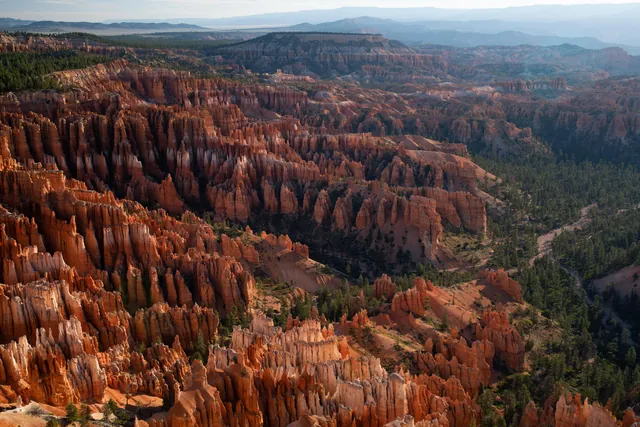
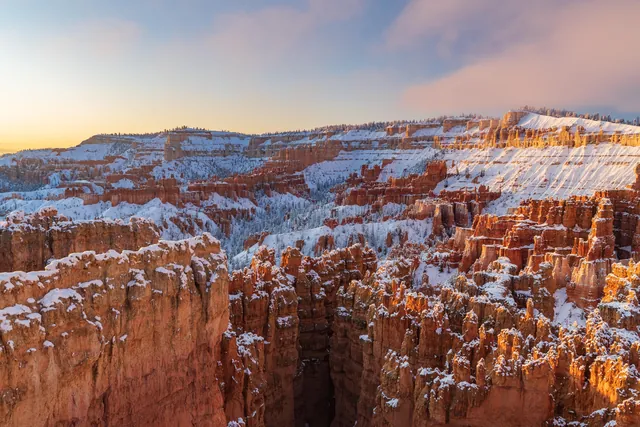
Chilly nights guide most of the clothing choices you make for Bryce Canyon and Glacier. Bryce Canyon sits at about 8,000 feet, where temperatures fall below freezing nearly every night from October to May, according to the park's weather page. The coldest and snowiest stretch is typically December through February, when average January lows sit around 15°F.
For Bryce, pack a warm hat, gloves, an insulated jacket and warm sleepwear, even when daytime forecasts look mild. In winter the park recommends traction devices, from crampons to lighter slip-on types, across the park and especially in parking lots and on paved areas (winter guidance). The bookstore in the Visitor Center sells them, and after heavy snowfall most day-hike trails need snowshoes.
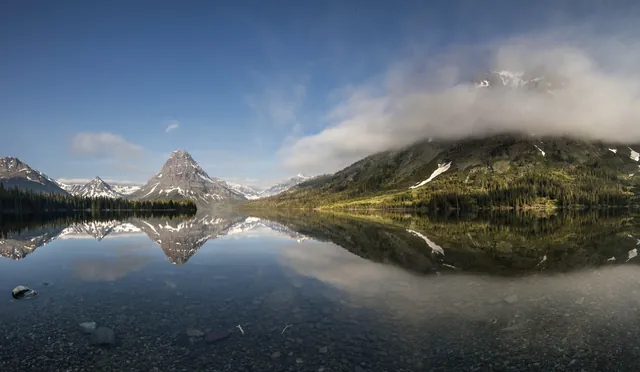
Glacier can turn cold early in the season. Snow is possible at lower elevations as early as mid-September, and high spots such as Logan Pass run roughly 10 to 15°F cooler than West Glacier. East-side downslope gusts often reach 50 miles per hour or more.
Most businesses and services in and near Glacier close from early October through late May. Pack anything you would normally buy on the way, or plan a stop at the full-service grocery stores in Hungry Horse or Columbia Falls. Month-by-month conditions are in the Bryce Canyon weather guide and Glacier weather guide.
Charging Phones and Packing Personal Devices
Pack your charging cables and a charged power bank for long park days. A phone used for navigation and photographs may need a recharge before you return for the evening. Keep the cable and battery together so they are easy to find at a roadside stop.
Download trail maps, park information and your booking details before leaving town. Cell coverage changes across mountain regions, so a saved map is useful even when the phone has no signal. Give each driver access to the address and route rather than leaving all the travel details on one device.
If you travel with powered medical equipment, contact our team about the setup you need while planning the stay. Discuss the equipment itself and any arrangements that would affect your trip. Bring its usual accessories and the instructions you rely on when traveling.
Use a small case for camera batteries, memory cards and charging leads. Label similar cables if several people are sharing a car, and keep a spare memory card with the camera. The aim is to spend the clear part of the evening looking at the sky rather than searching through luggage.
Extras for Stargazing and Park Days
Binoculars are well worth packing for both Bryce Canyon and Glacier. Glacier asks visitors not to approach or feed wildlife and to watch animals through binoculars, spotting scopes or long telephoto lenses.
A warm hat matters most during ranger night programs. In winter, Bryce Canyon's full moon hikes become a free snowshoe outing when the snow is deep enough, possible from November through March. Those hikes may be canceled for cloudy skies or temperatures below 10°F, lug-sole boots are required, and children 7 and younger cannot join.
We are building glass pyramids near Bryce Canyon and Glacier for a 2027 opening. Each pyramid is designed with a sky-facing king bed and a personal deck telescope, giving you a comfortable place to continue the night after a park outing.
If your wider trip includes Zion National Park, the Pa'rus Trail is the only trail open to dogs, so plan any dog walks there. In Glacier, most trails and the backcountry exclude pets, and roads closed to vehicles are treated as backcountry trails. Leashed dogs can use the Apgar–West Glacier bike path when it is free of snow; the Glacier outings with a dog guide explains that specific exception.
What to Leave Off Your Glamping Packing List
Leave bulky equipment at home only after matching it to your actual plans and the items supplied for the stay. A sleeping bag for a separate camping night has a different purpose from clothing for a pyramid visit. Pack for both only when both are part of the trip.
Food and pet food need a storage plan during the drive and park stops. Keep bags and containers organized, follow posted park instructions and avoid leaving scraps behind after a picnic. Ask our team about food storage and kitchenette equipment when planning meals for your pyramid stay.
Before you zip your bag, check the forecast in the Bryce Canyon weather guide or Glacier weather guide. Then explore founding deposits and priority booking access for a planned glass-pyramid stay that pairs park days with a night beneath the stars.
A warm hat and a good pair of binoculars make cold, clear nights an absolute pleasure to experience, and the Bryce Canyon stargazing guide covers what constellations and sights to look for once you step out under the sky.
Frequently asked questions
What do people do during glamping?
Glamping can combine scenic drives, hikes and evenings under the stars. Our planned pyramids near Bryce Canyon and Glacier have a sky-facing king bed and a personal deck telescope, so the night sky can remain part of the stay after the park visit.
Do I need to bring towels glamping?
Ask about the towels supplied for your planned stay before packing bulky extras. Our team can help with packing questions, including bedding, toiletries and the items you prefer to bring yourself.
Can you bring food into a glamping tent?
Food rules depend on the accommodation and the place you are visiting. Ask our team about food storage and kitchenette equipment for your planned stay, and follow posted food-storage instructions during park outings.
What should I wear glamping?
Wear layers, hiking shoes and a rain jacket, and bring a warm layer for the nights. Near Bryce Canyon, temperatures fall below freezing nearly every night from October to May, so add a warm hat and gloves to your bag.
Pack for Park Days and Nights Under Glass
Get early access to our pyramids near Bryce Canyon and Glacier, with priority booking to all locations.
Reserve Your Pyramid See the pyramids →