
The Bryce Canyon Astronomy Festival is held each June around the new moon, and the 2026 edition ran June 11 to 13, 2026. Attending was free with park admission, and tickets for the evening talks were handed out same-day each morning at the Visitor Center. Next year's dates have not been announced yet.
Bryce Canyon Astronomy Festival Dates and Tickets
The 2026 festival ran Thursday through Saturday, around a June new moon. Attending was free with park admission, so the only fee was park entry, which is $35 for a private vehicle.
Tickets worked three ways in 2026:
- Evening talks: free same-day tickets from 8 a.m. at the Visitor Center until capacity was reached, limited to 6 per group. There was no advance sign-up.
- Astrophotography workshop: advance sign-up by email.
- Telescope viewing and most other programs: open to the public with no ticket.
In 2026, the evening talks could not be booked ahead. The telescope field needs no ticket at all, so build your night around it and treat a talk as a bonus.
The 2027 festival dates have not been announced. Watch the official Bryce Canyon Astronomy Festival page from the National Park Service, where the 2026 dates and schedule were posted.
Bryce Canyon Astronomy Festival 2027
The 2027 Bryce Canyon Astronomy Festival dates have not been announced yet. The festival is held each June around the new moon. In 2026 it ran from June 11 to 13 and was free with park admission.
If you want to plan a June 2027 trip around the festival, keep your travel dates flexible until the schedule is out. The National Park Service posts festival dates on its Astronomy Festival page, so check that page before you book flights or lodging. If you book before the dates appear, your trip could fall on a different week of June than the festival.
Solar Telescopes, Evening Talks and Stargazing in 2026
The 2026 festival ran daytime solar viewing from noon to 4:00 p.m., evening talks at 8:30 and 9:00 p.m., and volunteer telescopes from 10 p.m. to midnight. The festival also billed constellation tours and family-friendly daytime activities.
Daytime Activities
From noon to 4:00 p.m. each festival day, solar telescopes were set up, depending on weather and staffing. A National Aeronautics and Space Administration (NASA) James Webb Telescope exhibit and a University of Utah booth ran during the same hours.
Evening Talks
Each night had two talks of 45 minutes. The first started at 8:30 p.m. at a location given when you picked up your ticket. The second started at 9:00 p.m. at the North Campground Outdoor Theater, with no ticket needed unless bad weather moved it into the Visitor Center Theater.
- Thursday: Stan Honda, a New York photographer whose images have been NASA's Astronomy Picture of the Day 12 times, gave "A Night in the Parks." Amy Sayle, PhD, an educator at Morehead Planetarium, followed with "Star Stories."
- Friday: Autumn Gillard, a cultural astronomer and maternal descendant of the Cedar Band of Paiutes, presented "The Nuwu Universe" on southern Paiute astronomy. Dr. Macarena Garcia Marin, Webb Project Scientist at the Space Telescope Science Institute, covered Webb's discoveries in exoplanets and stellar evolution.
- Saturday: Amy Sayle repeated "Star Stories," and Dr. Amber Straughn of NASA's Goddard Space Flight Center gave a behind-the-scenes look at Webb's engineering.
The early talk ran until about 9:15, a quarter hour after the outdoor talk began. Pick one talk per night, or accept walking into the second one late.
Telescope Viewing
From 10 p.m. to midnight, volunteers aimed their telescopes at the night sky on the Overflow Parking lot across from the Visitor Center. No ticket was needed. White-light flashlights were prohibited because of their negative impact on night vision.
Free Astrophotography Workshop and Gear
The festival's astrophotography workshop was free and capped at 15 people per night. Astrophotographer Don Riddle, a retired Marine officer who volunteers for the park service teaching Milky Way photography, led it.
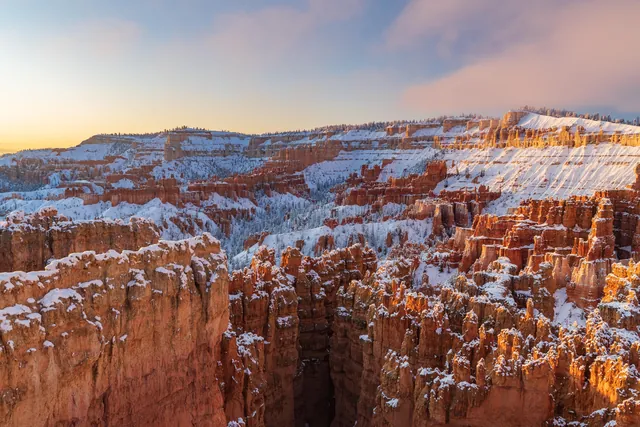
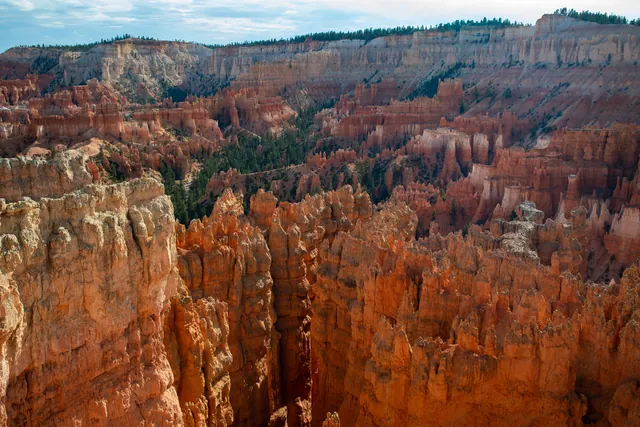
In 2026 it ran each night from Wednesday, June 10 through Saturday, so it started one night before the main festival. Classes began at 9 p.m. with 90 minutes of instruction at the High Plateaus Institute near Sunrise Point. The group then moved out to photograph among the hoodoos of the Bryce Amphitheater until 12:30 a.m.
The workshop was open to all levels, geared toward beginners, and limited to ages 8 and older. Sign-up was by email through the festival page, which also lists the full equipment list. The required gear started with a camera that reaches ISO 6400, such as a DSLR.
In 2026 the workshop ran from 9:00 p.m. to 12:30 a.m., and shuttles ran until 12:15 a.m. The festival's daytime activities were billed as family-friendly.
Getting to the Bryce Canyon Astronomy Festival Telescope Field
Shuttle hours were extended for the 2026 festival, with buses running until 12:15 a.m. The park asked stargazers to ride the shuttle rather than drive to the telescope field.
Parking at the field was reserved for visitors with disabilities who could not use the shuttle, and even that space was extremely limited. The Visitor Center lot was closed to festival parking. The park advised parking at the Shuttle Station in Bryce City or boarding from a campground or lodging inside the park.
Telescope viewing ended at midnight, and shuttles ran until 12:15 a.m. For seasonal conditions, see Bryce Canyon weather by month.
Ranger Astronomy Programs and Full Moon Hikes
Bryce Canyon offers ranger-led night programs outside festival week, and the park's dark sky is open to anyone at any hour. Ranger-led telescope programs may run depending on the time of year and day of the week.
Seated evening programs lasting 45 to 60 minutes typically run from Memorial Day through Labor Day. They are accessible, and the topic is the ranger's choice.
Full Moon Hikes
Ranger-led full moon hikes are typically offered year-round at sunset, weather permitting. They cover 1 to 2 miles over 60 to 120 minutes. The ranger picks the route, which can be an easy rim walk or a steep, rocky descent into the canyon.
- Children 7 and younger cannot join.
- Hiking boots or shoes with lug soles in good condition are required.
- White flashlights and headlamps stay off during the hike, and red lights are allowed.
- Bring drinking water and a jacket.
- Hikes are canceled for cloudy skies or temperatures below 10°F (-12°C).
- The route is not wheelchair accessible.
The booking method for full moon hikes varies. It has included Recreation.gov reservations, with tickets released 14 and 5 days ahead, and a same-day 4 p.m. lottery in the Visitor Center theater, where each hiker shows the footwear they plan to wear. Confirm the current method on the Bryce Canyon National Park site before your visit.
Stargazing on Your Own
On a clear new moon night, you can see thousands of stars and the band of the Milky Way from almost anywhere in the park. Sunset Point, Sunrise Point, Inspiration Point and Paria View are paved and accessible. For a hoodoo foreground in night photos, the Queen's Garden and Navajo trails work well. The guide to stargazing at Bryce Canyon covers each viewpoint.
Lodging Near the Bryce Canyon Astronomy Festival
In 2026 the park advised boarding the shuttle from a campground or lodging inside the park, and parking near the telescope field was restricted. From a stay outside the park, the 2026 plan was to park at the Shuttle Station in Bryce City and ride in. Compare options in where to stay near Bryce Canyon.
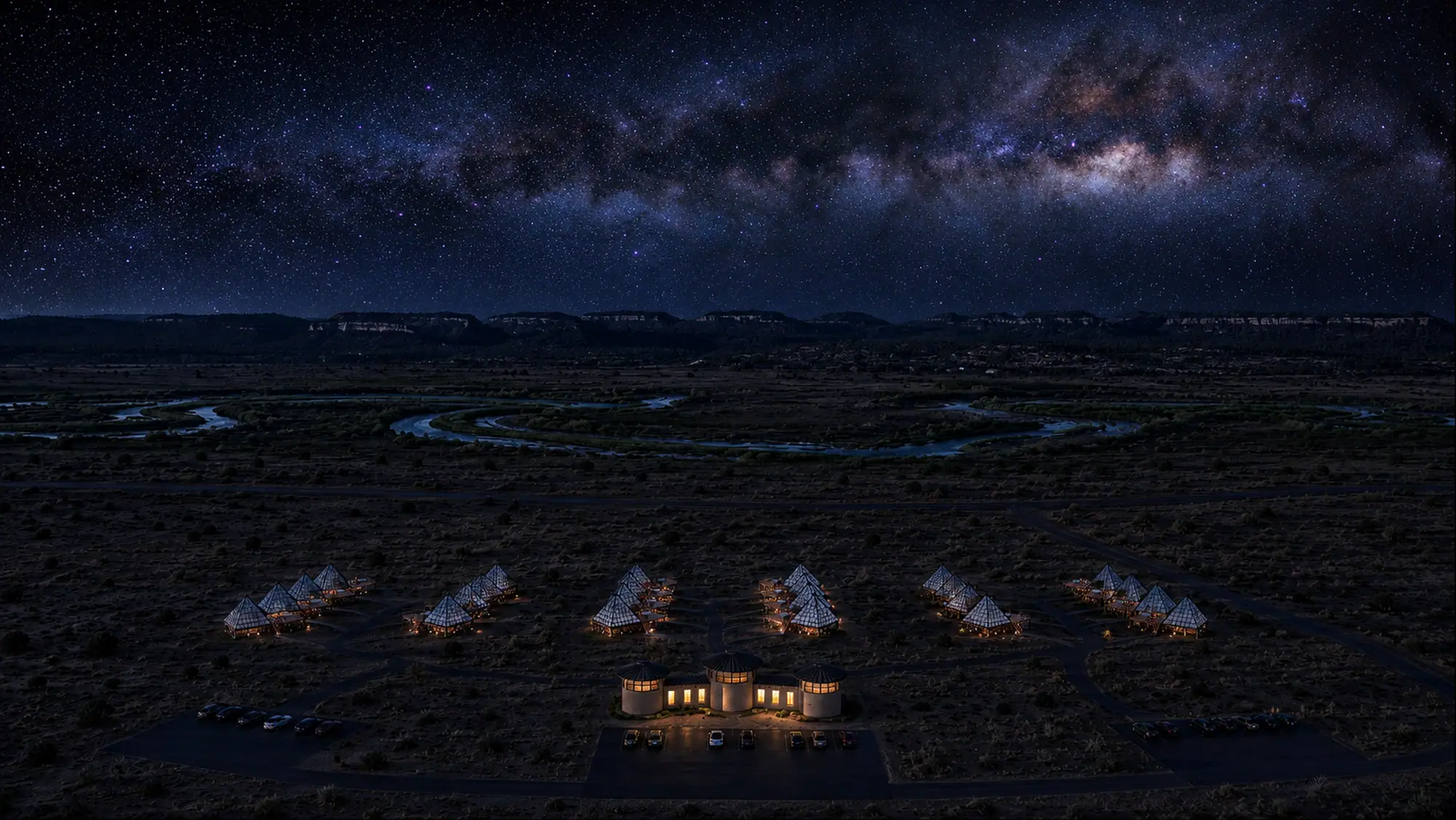
Each pyramid is designed with a king bed positioned for sky-gazing, a private deck with a fire pit and a personal telescope. A built-in projector turns the glass into a cinema on cloudy nights.
The pyramids open in 2027, and the opening month is not yet published, so a stay during next year's festival cannot be promised. Bookmark the official Bryce Canyon Astronomy Festival page and plan your trip around the June new moon once the dates are posted.
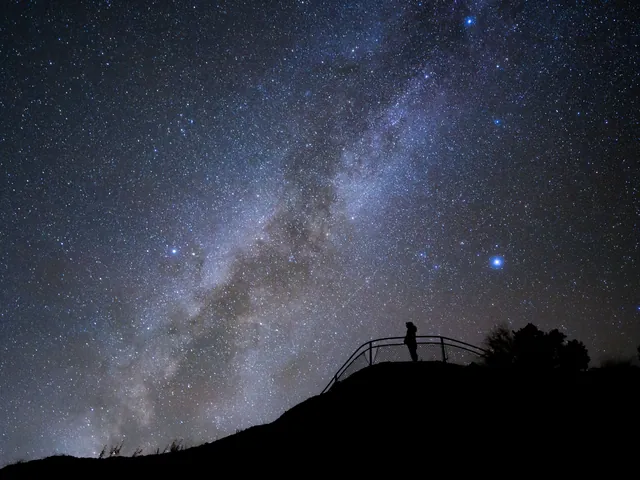
Bryce Canyon was certified as an International Dark Sky Park in 2019, and that protected sky is what the festival telescopes point at each June. Read why dark sky locations matter for a stay near the park.
Frequently asked questions
When is the Bryce Canyon Astronomy Festival?
The festival is held each June around the new moon, and the 2026 edition ran June 11 to 13, 2026. Next year's dates have not been announced; watch the official festival page for the new schedule.
Is the Bryce Canyon Astronomy Festival free?
Yes. In 2026 the festival was free with park admission, and private vehicle entry is $35. The astrophotography workshop was free too, though it required advance sign-up.
Do I need tickets for the evening programs?
Yes, for the 8:30 p.m. talks. In 2026 they needed free same-day tickets from 8 a.m. at the Visitor Center, limited to 6 per group, with no advance sign-up. The outdoor theater talk needed a ticket only if weather moved it indoors.
Are white flashlights allowed at the telescope field?
No. White-light flashlights were prohibited at the 2026 telescope field because of their negative impact on night vision.
Sleep Under the Bryce Canyon Night Sky
Founding deposits are open for the Bryce Canyon glass pyramids, opening 2027.
Reserve Your Pyramid Stay near Bryce Canyon →