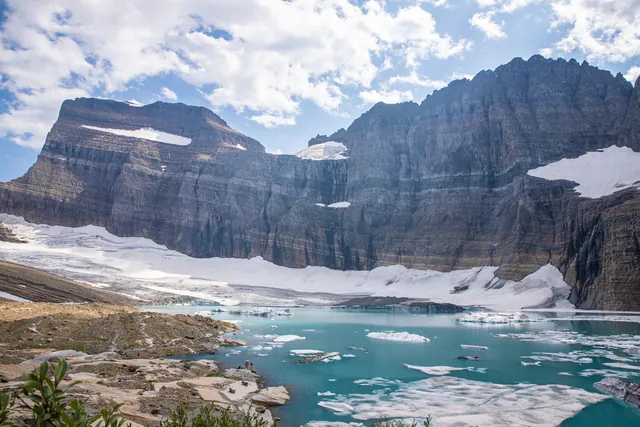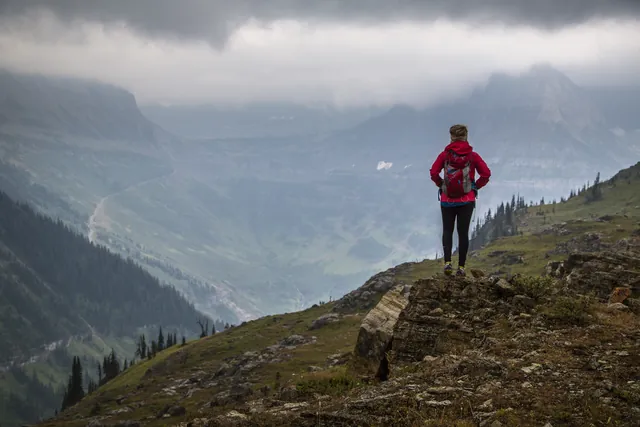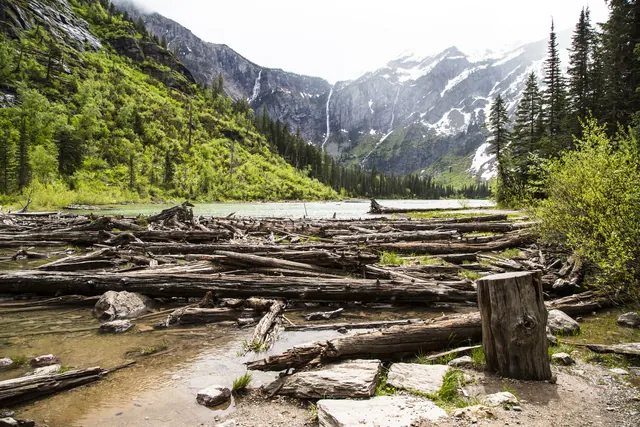

Choose Avalanche Lake for a forest walk to the water, or Hidden Lake Overlook for a shorter alpine outing when Logan Pass is accessible. Avalanche Lake offers an old-growth forest trail ending at the lake, which is usually snow-free earlier in summer if road and trail conditions allow. Hidden Lake Overlook provides panoramic alpine scenery along a shorter route, while continuing to the Hidden Lake shoreline is a separate, longer outing with a climb back.
Choosing Your Glacier Hike
Base your choice on your preferred scenery, your group's walking ability, and current corridor openings. Choose Avalanche Lake when you want a walk through old-growth forest that terminates directly at a lake and waterfalls. Choose Hidden Lake Overlook if you want an alpine panorama along a shorter route starting from Logan Pass.
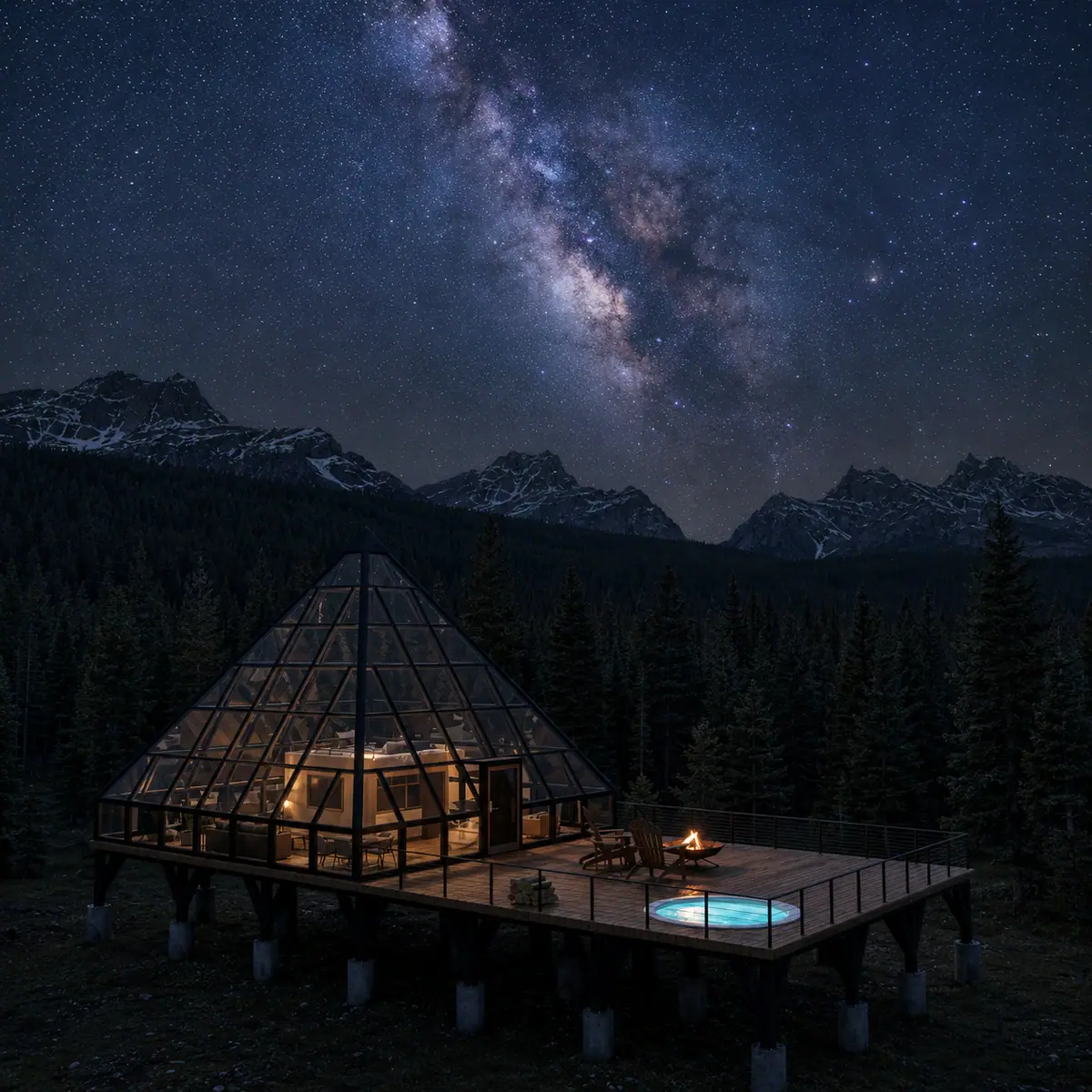
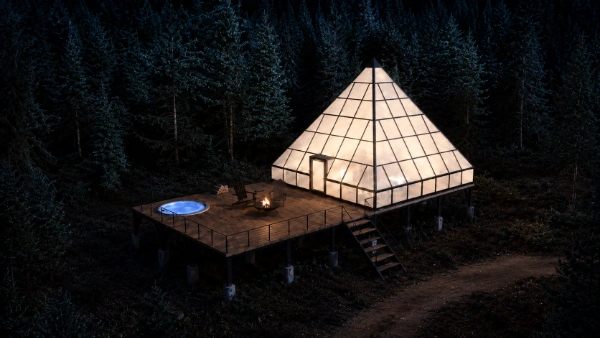
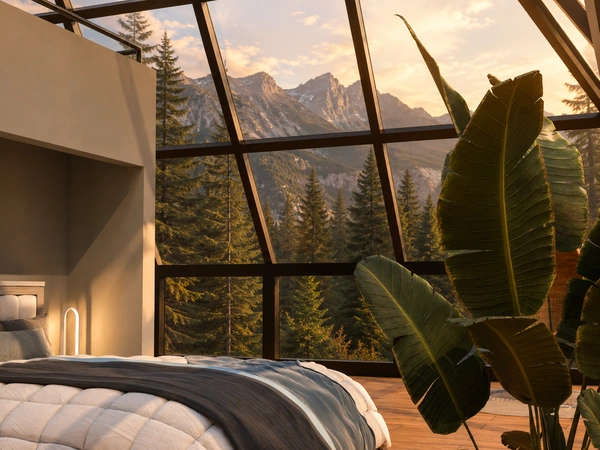
Reserve Your Glass Pyramid Near Glacier
Get early access to our pyramids near Bryce Canyon and Glacier, with priority booking to all locations.
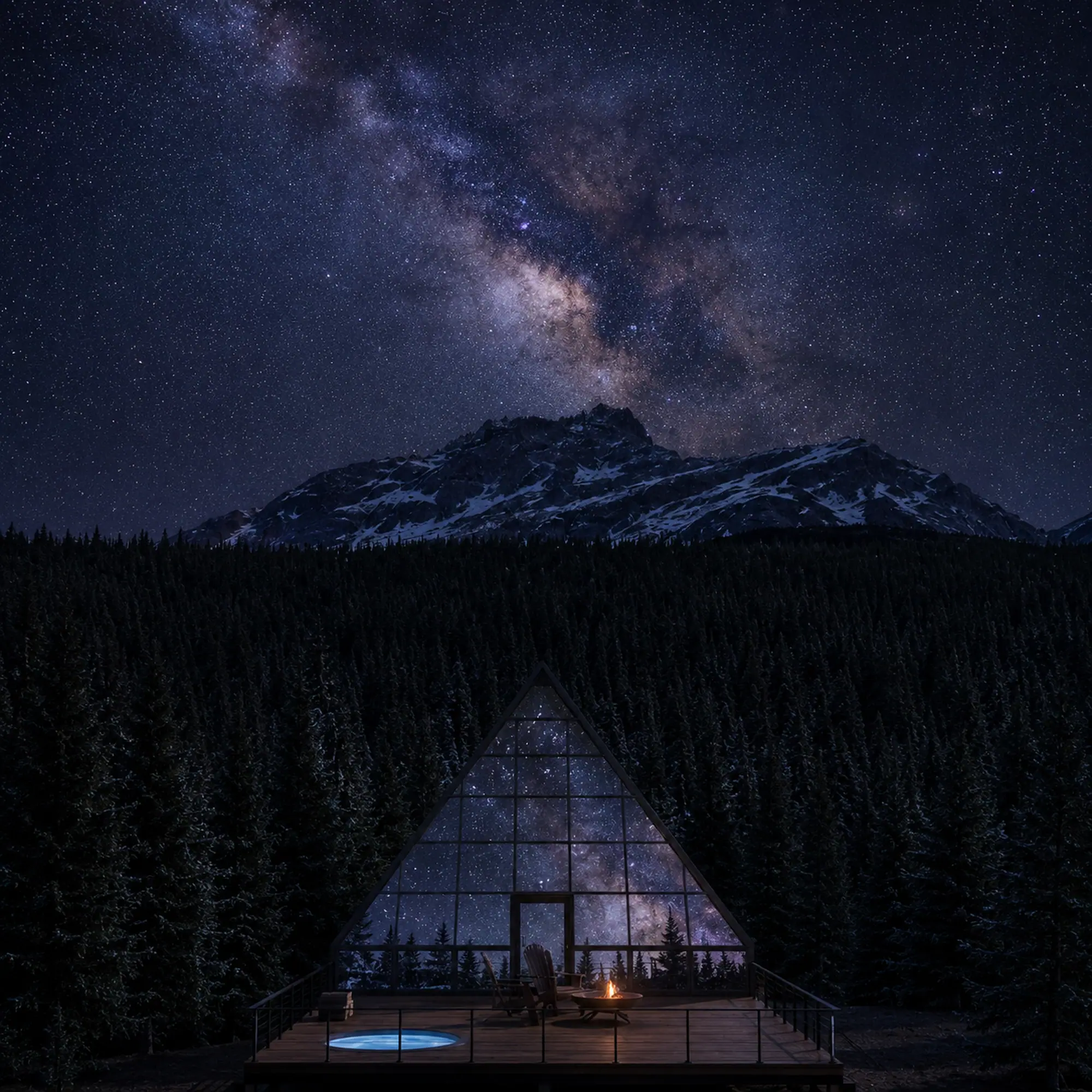
Concept renderings
Hiking all the way to the Hidden Lake shoreline is a separate, longer outing. It requires continuing past the overlook and descending hundreds of feet down to the water, which you must climb back up on your return. Snowmelt timelines and seasonal road access frequently decide the question before you lace up your boots.
Neither hike suits visitors with limited mobility seeking barrier-free walking, because Avalanche Lake turns rocky beyond its first half-mile and Hidden Lake begins with stairs. Visitors looking for an accessible route should choose Trail of the Cedars instead, which is wheelchair accessible through the forest.
Avalanche Lake vs Hidden Lake Compared
Both trails showcase the landscapes of Glacier National Park, but their elevations, route lengths, and physical requirements differ.
| Criterion | Avalanche Lake | Hidden Lake Overlook | Full Hidden Lake |
|---|---|---|---|
| Scenery | Old-growth forest, lake, waterfalls | Alpine panorama | Alpine terrain, descent to water |
| One-Way Distance | 2.3 miles | 1.3 miles | 2.5 miles |
| Round-Trip Distance | 4.6 miles | 2.6 miles | 5.0 miles |
| Outward Gain and Loss | Gain 741 ft, loss 275 ft | Gain 608 ft, loss 128 ft | Gain 639 ft, loss 921 ft |
| Endpoint | Lake shoreline | Hidden Lake Overlook | Lake shoreline |
| Corridor Access | Lower Going-to-the-Sun Road | Logan Pass summit | Logan Pass summit |
Distances in this comparison reflect official National Park Service (NPS) trailhead records. Our route calculation method doubles published one-way distances to establish round-trip lengths.
The elevation figures list ascent and descent separately on the outward walk. They are not a net height change or the total climbing for an out-and-back hike.
The Forest Walk Along Avalanche Lake Trail
Avalanche Lake Trail begins at the Avalanche Picnic Area along the lower section of Going-to-the-Sun Road. The route starts off Trail of the Cedars and climbs steadily through old-growth forest.
According to the official Avalanche trailhead record, the trail measures 2.3 miles one way, which equals a calculated 4.6 miles round trip. During the outward hike, visitors navigate an outward elevation gain of 741 feet alongside an outward drop of 275 feet. A separate hike overview rounds the journey to about 5 miles and suggests planning 3 to 6 hours.
The trail surface changes as you advance away from the trailhead. While the first half-mile follows Trail of the Cedars, the trail becomes steeper and rocky beyond that point. Dogs are strictly prohibited on the Avalanche Lake trail.
Hidden Lake Overlook vs Hidden Lake Trail Endpoints
The overlook and the hike all the way to the water represent two distinct outings. In our route comparison, we separated the overlook from the lakeshore using official distances from the Hidden Lake trailhead record.
The overlook is a turnaround above the water. Continuing to the shore adds walking and a climb on the way back.
The trail begins behind the Logan Pass Visitor Center across stairs, switchbacks, boardwalk sections, and packed soil. Reaching Hidden Lake Overlook requires hiking 1.3 miles one way, producing a 2.6-mile return trip with an outward elevation gain of 608 feet and an outward loss of 128 feet. The overlook provides an alpine panorama.
Continuing past the overlook transforms the outing into the full Hidden Lake trail. Reaching the lake shoreline requires hiking 2.5 miles each way, generating a 5.0-mile round trip.
On the outward journey down to the water, the trail records an outward gain of 639 feet and an outward loss of 921 feet. Hikers retrace those outward descents uphill on the return trip.
Road Access Along Going-to-the-Sun Road
Road access often determines whether you can hike Avalanche Lake or Hidden Lake on any specific date. Avalanche Lake sits along the lower western corridor, while Hidden Lake starts at the summit of Logan Pass. Logan Pass rests at an elevation of 6,646 feet and lies 32 miles from the West Entrance of Glacier National Park.
Going-to-the-Sun Road over Logan Pass has no fixed opening date in spring or summer. Going-to-the-Sun Road over Logan Pass is typically fully open by early July until the third Monday of October, weather permitting.
Lower road access leading to Avalanche Picnic Area is separate. You can check current road status directly on the road information.
Busy parking at Avalanche Picnic Area and Logan Pass does not guarantee an open space at a given time. There is no gas available anywhere inside Glacier National Park, so monitor fuel before driving into the alpine corridor. Check the guide to vehicle reservations before your visit.
Choosing for Children and Different Walking Abilities
Comparing these trails for families with children requires looking beyond overall mileage. A shorter trail distance does not automatically mean step-free walking or an easy stroll. If you are exploring Glacier National Park with kids, the trail surface and terrain shape the entire experience.
The shorter overlook route begins with stairs and switchbacks directly behind the visitor center. If a member of your group requires a step-free path, the overlook trail will not work.
Avalanche Lake begins along wheelchair-accessible Trail of the Cedars. Once the trail splits onto the Avalanche Lake path, however, the trail becomes steeper and rocky.
The outward climb is 741 feet across 2.3 miles, and the rocky terrain requires steady footing. Choose for the least comfortable walker in your group, and turn back when the surface or conditions exceed that person's ability.
Snow, Weather and Wildlife Along the Trails
High-country conditions can linger late into the summer season and reshape your hiking options. Lower trails like Avalanche Lake are usually snow-free earlier in the summer. In contrast, higher alpine elevations around Logan Pass are typically snow-free by late July, though seasonal snowpack is never guaranteed to clear by any specific calendar date.
Cellular coverage is limited or absent throughout these trail corridors. Hikers should download trail maps offline, wear sturdy hiking shoes, and carry plenty of drinking water, food snacks, rain gear, and warm insulating layers. Review official packing advice on the hiking guidance before heading out.
Glacier National Park is home to bears and other wildlife, so follow park-wide safety precautions on both trails. As outlined on the bear safety advice, carry bear spray where you can reach it and know how to use it.
Hike in groups, make your presence known at regular intervals, especially near streams, blind corners or dense vegetation. Park regulations require staying at least 100 yards from bears and wolves, and at least 25 yards from all other wildlife. Official wildlife closures outrank trail plans, and after-dark or sunset hiking is strongly discouraged.
Planning Your Day and Evening Near Glacier
Make one trail your priority. Add the second only if both routes are open, parking and road access work, and your group has enough daylight and energy for the actual endpoints you chose.
Busy parking at both Avalanche and Logan Pass does not guarantee an open space for two hikes in one day. Hidden Lake Overlook and the lakeshore route require different walking commitments, and parking uncertainty means a same-day combination is never guaranteed.
At Dark Light Collection, we are designing glass pyramids on private land within 15 minutes of Glacier National Park's West Entrance, opening in 2027. Each pyramid features triple-pane heated glass with smart tinting, a king bed positioned for sky-gazing, an en-suite bathroom, a kitchenette, and a private deck with a personal deck telescope. Our founding guests receive priority selection of pyramid size, view, and position, along with locked-in introductory founding pricing.
Our sky-facing king bed and deck telescope let you plan a quiet evening looking at the sky after a daytime hike. You can review architectural details on the pyramids page or explore our founding-guest options directly on the Glacier retreat page.
Our Takeaway on Avalanche Lake vs Hidden Lake
To decide between Avalanche Lake and Hidden Lake, resolve your preferred endpoint first. If you want a complete forest walk to a lakeshore, pick Avalanche Lake.
If you want high-alpine views across open mountain passes, choose Hidden Lake Overlook. Only extend your trip down to the Hidden Lake shoreline if you have the stamina and time for the uphill return.
Next, confirm road status along the mountain corridor. If the alpine road is closed, Hidden Lake is unavailable from its Logan Pass trailhead.
Consider Avalanche Lake only after checking that the lower road and the Avalanche trail are open. If Avalanche Lake is closed, consider Hidden Lake only when both the Logan Pass road and the relevant trail section are open and conditions suit your group. If neither route is suitable, choose an open lower-elevation walk instead.
Check the trail status reports and road conditions, then choose the open route and endpoint your group can manage.
Frequently asked questions
Is Hidden Lake or Avalanche Lake the shorter hike?
Hidden Lake Overlook is the shorter hike at 2.6 miles round trip compared to the calculated 4.6 miles for Avalanche Lake. However, continuing past the overlook to the Hidden Lake shoreline totals 5.0 miles round trip and requires an uphill return.
Is Hidden Lake Overlook the same as Hidden Lake?
Hidden Lake Overlook and the shoreline are different destinations. The overlook is 1.3 miles one way from the trailhead behind Logan Pass Visitor Center. The full route to Hidden Lake is 2.5 miles one way, and its published elevation loss covers the entire outward route, not only the stretch beyond the overlook.
Is Avalanche Lake or Hidden Lake easier with children?
Choose Hidden Lake Overlook for a shorter alpine outing only if everyone can manage stairs and current conditions. Choose Avalanche Lake for a forest-to-shore walk if the group can handle a longer rocky trail. Neither hike is step-free, so use wheelchair-accessible Trail of the Cedars when your group needs a barrier-free forest walk.
Can you visit both hikes in one day?
Make one trail your priority. Add the second only if both routes are open, parking and road access work, and your group has enough daylight and energy for the actual endpoints you chose. Hidden Lake Overlook and the full lakeshore require very different walking commitments, and busy parking means a space is never guaranteed at either trailhead.
Is Trail of the Cedars wheelchair accessible?
Trail of the Cedars is wheelchair accessible through the forest. Avalanche Lake Trail branches off Trail of the Cedars and becomes steeper and rocky beyond the first half-mile, making the lake itself inaccessible for wheelchairs.
Reserve Your Glass Pyramid Near Glacier
Get early access to our pyramids near Bryce Canyon and Glacier, with priority booking to all locations.
Reserve Your Pyramid Stay near Glacier →